In today’s dynamic work environment, security remains a top concern for offices. As we look ahead to 2026, many organizations are asking, "What is the best access control method for offices?" The rise of hybrid work models has changed how we think about security. Traditional methods may not be sufficient anymore.
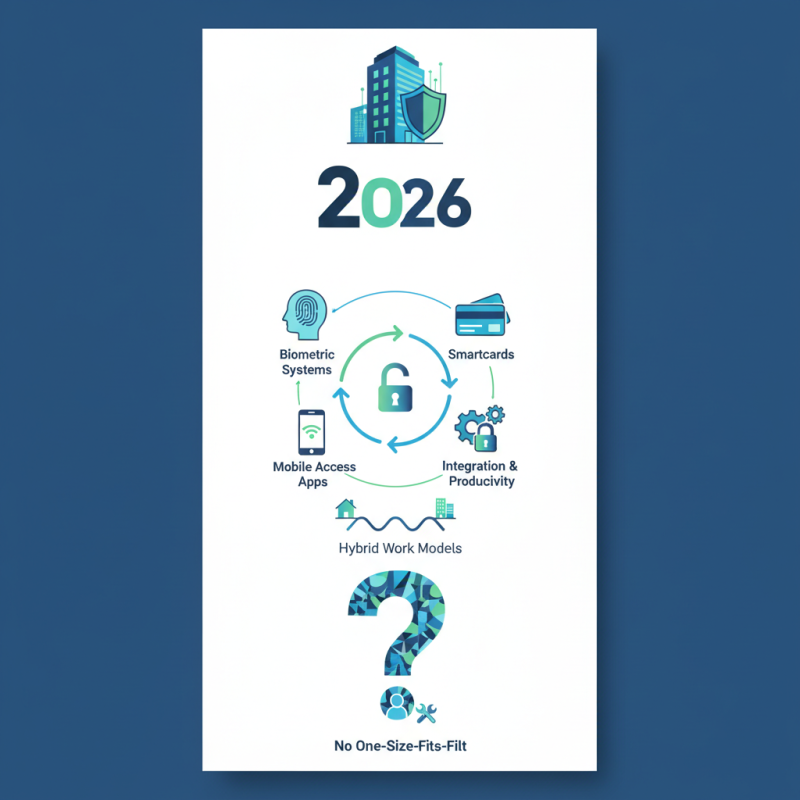
Digital solutions are becoming increasingly popular. Biometric systems, smartcards, and mobile access apps are at the forefront. Yet, the effectiveness of these technologies can vary based on specific office needs. Also, integrating security measures with productivity tools presents challenges.
It is crucial to understand that there is no one-size-fits-all answer. Each office has unique requirements and constraints. Some businesses may prefer advanced tech solutions, while others may lean towards simplicity. The goal is to create a safe environment that also promotes collaboration. As we explore the best methods, we must remain open to new ideas and adapt as technology evolves.
Emerging Technologies in Access Control Systems for 2026
As we look toward 2026, access control systems will evolve significantly. Emerging technologies will shape how offices secure their premises. Biometric authentication, such as facial recognition, will soon be more common. These systems offer accuracy and speed in processing employee entries. However, they also raise concerns about privacy and data security. Balancing convenience with ethical considerations will be crucial.
Mobile access solutions will be another key trend. Employees can use their smartphones to unlock doors. This tech simplifies the access process. It also enables seamless integration with other workplace tools. However, dependence on personal devices introduces potential risks. Lost or stolen phones could compromise security.
Artificial intelligence (AI) will enhance monitoring systems. AI can analyze patterns and flag unusual activities. This proactive approach can prevent breaches. Yet, reliance on AI may create blind spots. Regular updates and human oversight will remain essential. Addressing these challenges will help create a more secure office environment.
Biometric Authentication Methods and Their Effectiveness in Offices
As organizations anticipate the access control methods of 2026, biometric authentication continues to gain traction. Biometric systems, such as fingerprint and facial recognition technologies, offer both convenience and security. A recent study by a leading security research firm shows that companies utilizing biometric access control can reduce unauthorized entries by up to 80%. This remarkable statistic highlights the effectiveness of biometric systems in safeguarding sensitive areas within offices.
However, the implementation of these systems is not without challenges. A survey revealed that 35% of organizations experienced issues with false acceptance rates in their biometric systems. This indicates a need for continuous improvement and calibration. Furthermore, concerns about data privacy and storage remain prevalent. Users might hesitate to share biometric data, especially when awareness of data breaches is high. Striking a balance between security and privacy is crucial for successful adoption.
Deployment costs also play a significant role. Initial setup and operational expenses can be substantial. While biometrics reduce the cost of lost or stolen credentials over time, companies must weigh short-term investments against long-term benefits. Organizations must reflect on their unique needs and assess whether the advantages of biometric authentication outweigh its limitations. Each office environment is different, requiring tailored solutions that address the specific complexities of their operations.
Best Access Control Methods for Offices in 2026
| Access Control Method |
Description |
Effectiveness (%) |
Implementation Cost ($) |
Adoption Rate (% in 2026) |
| Fingerprint Recognition |
Uses unique patterns of fingerprints for identity verification. |
95 |
500 |
70 |
| Iris Recognition |
Identifies individuals based on unique patterns in their irises. |
93 |
1000 |
50 |
| Facial Recognition |
Analyzes facial features to confirm identities. |
90 |
800 |
60 |
| Voice Recognition |
Authenticates users by analyzing voice patterns. |
85 |
600 |
40 |
| Card-Based Access |
Uses RFID or magnetic stripe cards to grant access. |
80 |
200 |
65 |
Integration of IoT Devices in Office Access Control Solutions
The integration of IoT devices in office access control solutions is becoming increasingly vital. By 2026, over 55% of organizations are expected to utilize IoT technology for security measures. This shift is driven by the need for enhanced monitoring and real-time access control management. IoT-enabled systems can track employee movements through smart badges and biometric sensors. This data helps in identifying patterns and preventing unauthorized access.
Moreover, the reliability of IoT devices plays a crucial role. Studies show that 64% of security breaches originate from weak access controls. By employing IoT solutions, offices can strengthen these vulnerabilities. Real-time alerts and automated responses drastically reduce risks. Yet, integrating these technologies is not without challenges. There are concerns about data privacy and the complexity of managing multiple devices. Companies must carefully evaluate their approaches to ensure robust security without overcomplicating their systems.
As IoT devices become more prevalent, continuous assessment is essential. While the benefits are significant, organizations must remain vigilant. Balancing connectivity with security requires constant adaptation. The evolution of access control solutions is a process marked by both innovation and reflection. Upgrading to IoT systems is not just a trend; it’s a strategic necessity.
Best Access Control Methods for Offices in 2026
AI and Machine Learning in Enhancing Security Measures
In 2026, offices will rely heavily on AI and machine learning to enhance security measures. These technologies can analyze vast amounts of data quickly. This allows for real-time threat detection and response. Imagine a system that learns employee behavior patterns. It can recognize anomalies and alert security teams. This proactive approach could prevent incidents before they occur.
Machine learning can also improve access control methods. Traditional systems often struggle with speed and accuracy. AI can streamline this process. For instance, facial recognition technology is becoming more refined. However, the ethical implications of its use raise questions. Employees may feel unease regarding privacy concerns. Implementing this technology must consider transparency and consent.
Furthermore, while AI can significantly enhance security, it is not foolproof. Algorithms may have biases that lead to errors. A reliance solely on machine learning can create complacency among staff. Regular training will remain essential to ensure human oversight. Security measures must evolve, but balance is key. The effectiveness of AI tools must be regularly reviewed and adjusted. This ongoing reflection is crucial for a secure workplace.
Trends in User Privacy and Data Protection for Access Control
As businesses evolve, so do the methods for access control within offices. In 2026, trends highlight the immense importance of user privacy and data protection. Organizations are increasingly focusing on ensuring that employee and client information remains secure. Biometrics, such as fingerprint and facial recognition, offer high levels of security. However, concerns about data misuse persist, reminding us that no system is flawless.
Access control systems must also respect user autonomy. Employees should feel in control of their data. Transparency is crucial; users deserve to know how their information is collected and used. Education about potential risks and vulnerabilities is necessary. Many users lack awareness about how their data can be exploited. Businesses need to implement regular training sessions to address this issue.
In this landscape, organizations face challenges in maintaining secure yet user-friendly systems. Balancing security with ease of access is vital. Complex systems may frustrate users, leading them to seek workarounds. Organizations must remain vigilant, adapting to new threats while promoting user trust. The task ahead involves crafting access strategies that honor both security and individual privacy.
Conclusion
As workplaces evolve, the question of what is the best access control method for offices remains crucial, especially looking toward 2026. Emerging technologies are reshaping access control systems, integrating innovations such as biometric authentication. These methods, which include fingerprint and facial recognition, have shown significant effectiveness in enhancing office security by ensuring that only authorized personnel can gain entry.
Moreover, the integration of IoT devices in access control solutions provides smarter and more adaptable security measures, while AI and machine learning contribute to continual improvements in threat detection and response. Another emerging trend is the growing focus on user privacy and data protection, ensuring that access control systems not only secure physical spaces but also respect the personal information of employees. As businesses prepare for the future, balancing security and privacy will be central to determining the best practices in access control for offices.

 KBM Living