How to Choose Access Control for Apartments in 2026

Time:2026-09-28 Author:Isabella
0%

Choosing access control for an apartment building in 2026 means balancing security, convenience, cost, and daily reliability. A resident carrying groceries needs an entrance that responds quickly. A property manager needs clear records and a practical way to update access when tenants move. The system must work during ordinary routines, not just look impressive in a product demonstration.

To decide how to choose access control for apartment buildings, compare how each option handles doors, credentials, visitor entry, and system outages. Key fobs, mobile credentials, video intercoms, and PIN codes each suit different buildings and residents. Ask how lost credentials are revoked, what happens if the internet connection fails, and whether existing locks or management software can be integrated. Request a live demonstration and check the support terms, warranty, installation plan, and ongoing fees. Small details matter. A keypad exposed to heavy rain, for example, may need different protection from an indoor lobby reader.

Privacy and accessibility deserve equal attention. Collect only the information the system needs, and explain clearly how access records are managed. Confirm that residents and visitors can use the chosen entry methods comfortably. No system is perfect, and that is worth admitting. A rushed installation or confusing enrollment process can weaken an otherwise capable setup. The best choice is the one that fits the building’s layout, resident needs, staffing, and budget, with dependable support after installation. Compare real operating needs, not promises alone.
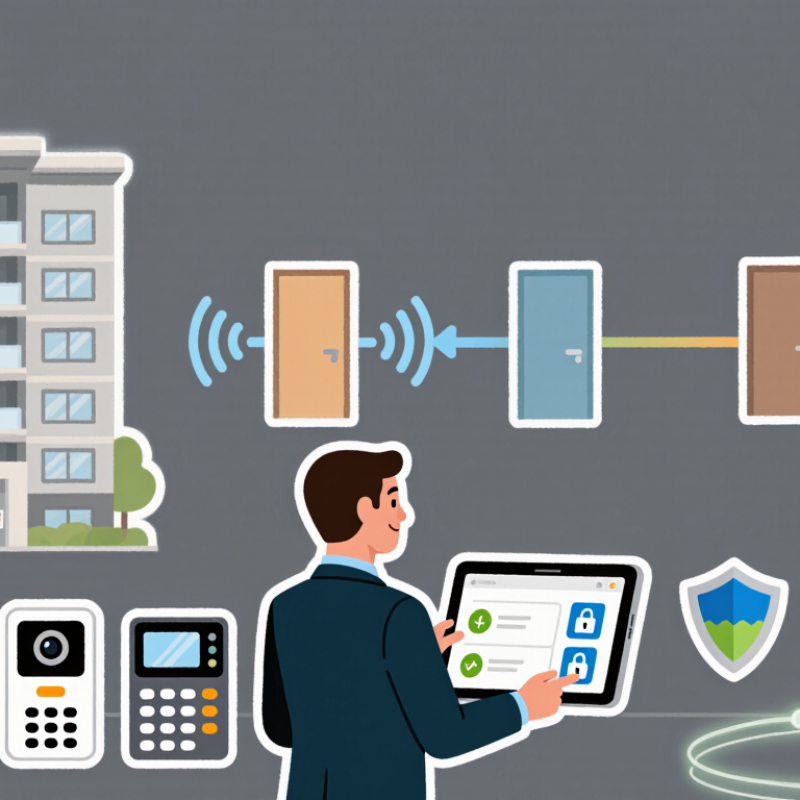
How to Choose Access Control for Apartments in 2026

Identify the Security and Access Needs of the Apartment Community

Before selecting apartment access control, document how people actually move through the property. Walk the lobby, garage, side doors, and mailroom during morning and evening rushes. Note where residents wait, deliveries accumulate, or visitors tail behind others. Ask residents, maintenance staff, and managers what causes delays or security concerns. Their answers may conflict. That is useful evidence, not a reason to guess.

The FBI’s Crime in the Nation 2022 report recorded 847,522 burglary offenses nationwide; 55.7% involved residential properties. This figure is not apartment-specific, but it supports reviewing every residential entrance, not just the lobby.

Check whether the system can distinguish resident, staff, and visitor access, and whether lost credentials can be disabled promptly. Keep accessibility, emergency egress, and reliable entry during network outages in the plan. Small details matter. A delivery entrance that is convenient at noon may become an unobserved gap at night. I would also question assumptions: a feature-rich system can still frustrate residents if its daily use is unclear.

Compare Apartment Access Control Technologies and Credentials

Apartment access control in 2026 may use keypads, proximity cards, mobile credentials, or biometric readers. Each solves a different problem. Keypads are simple for shared entrances, but codes can be passed along. Cards and fobs are quick to tap and easy to deactivate when lost. Mobile credentials reduce physical tokens, though residents still need a working phone and a dependable connection. Biometric readers can speed entry, but require careful attention to privacy, accessibility, and enrollment.

Compare the credential as carefully as the reader. Ask how quickly staff can remove access after a fob disappears, and whether temporary visitor access can expire automatically. Check what happens during a network or power outage; some systems can store permissions locally, while others depend more heavily on connectivity. Walk through a real entrance at busy times. A reader that works well in a quiet office may create a queue when residents carry groceries or push strollers. Confirm door, accessibility, and life-safety requirements with qualified professionals. Small details matter.

Tips: Test the reader in poor lighting and with wet hands. Keep a clear lost-credential procedure. Ask residents to try the system before choosing. Don’t assume the newest option is easiest. A short pilot may reveal awkward steps nobody noticed on paper.

How to Choose Access Control for Apartments in 2026 — Compare Apartment Access Control Technologies and Credentials

Technology or credential How residents use it Typical security and auditability Resident convenience Installation and operating considerations Good fit for apartments
Mobile credential Resident presents a credential from a phone, usually through Bluetooth Low Energy, NFC, or a compatible app. Access can often be assigned, revoked, and logged centrally. Security depends on the system’s credential protection, phone security, and configuration. High for smartphone users May require compatible readers, resident onboarding, and a process for lost phones or residents without smartphones. Some systems support offline operation. Buildings seeking convenient entry and centralized management of resident access.
Proximity card or key fob Resident presents a contactless card or fob to a reader at an entrance or secured common area. Credentials can generally be disabled when reported lost; event logging depends on the installed system. Security varies by credential technology and reader configuration. High Simple to issue and familiar to many residents. Lost or shared credentials need a clear replacement and deactivation process; readers and access-control hardware are required. Most apartment buildings, particularly where residents prefer a physical credential.
PIN keypad Resident enters a code at a keypad. A code may be shared by multiple users or assigned individually, depending on the system. Shared codes are difficult to attribute to a specific person and can be passed on. Individual codes and audit logs can improve accountability where supported. Medium Codes must be changed when compromised. Keypads need protection from wear, weather, and observation; avoid relying on one permanent shared code for sensitive areas. Secondary access points, service areas, or buildings that need a credential-free option.
Video intercom with remote release A visitor calls a resident, who identifies the visitor and remotely releases the entrance through an indoor unit or supported mobile interface. Can help residents screen visitors; call and release records depend on system features and settings. It does not verify that a visitor is authorized beyond the resident’s decision. High for visitor entry Requires entry-panel installation and may need network connectivity, power, and cabling. Provide an alternative for residents who cannot use the app or answer a call. Main entrances where visitors, deliveries, and resident screening are important.
Temporary or time-limited credential A resident or manager issues a credential with a defined expiry time for a visitor, contractor, or delivery where supported. Expiry limits how long the credential works. Individual assignment and event logging can improve traceability; shared links or codes may still be forwarded. High when supported Requires a system that supports expiry and appropriate access schedules. Set limits on which doors and hours temporary users can access. Managed guest access, scheduled maintenance, and approved service visits.
Biometric reader Entry is granted after a reader matches a physical characteristic, such as a fingerprint or facial measurement, to an enrolled template. Can reduce reliance on cards or codes, but matching accuracy and spoof resistance depend on the device and configuration. Biometric data raises privacy and data-protection concerns. Medium to high Review applicable privacy laws, consent requirements, data storage, retention, and deletion procedures. Provide a practical alternative for residents who cannot or do not wish to enroll. Specific use cases where the privacy, accessibility, cost, and operational implications have been carefully evaluated.
Mechanical key Resident uses a cut key in a conventional lock. Typically offers limited access-event logging. Lost keys may require rekeying or lock replacement, depending on the lock and key system. Medium Does not depend on network connectivity or electronic power. Key tracking, duplication control, and a lost-key response plan are important. Backup access, selected low-traffic doors, or buildings where electronic access is not practical.
Hybrid access control Combines options such as mobile credentials, cards or fobs, intercoms, and mechanical overrides. Can offer centralized credential management for electronic entry while retaining a fallback method. Consistent permissions and recordkeeping require good administration. High when well managed Check that components work together, define who manages credentials, and plan for power, connectivity, outages, and emergency egress. Buildings with varied resident needs, multiple entry types, or a requirement for a backup access method.

Selection note: Features vary by system and installation. Before choosing, assess door and fire-code requirements, accessibility, resident preferences, network and power resilience, credential revocation, privacy obligations, maintenance, and the cost of replacing existing hardware.

Evaluate Safety, Privacy, Accessibility, and Reliability

How to Choose Access Control for Apartments in 2026
Evaluate Safety, Privacy, Accessibility, and Reliability

A good apartment access system should make unauthorized entry harder without making daily life difficult. Check how doors respond when power or network service fails. Ask whether entry records show only necessary details, and who can review them. A long history of resident movements may create privacy risks without improving safety. Small details matter. Test the system at the lobby door, garage, and side entrance, not just at the management desk.

Accessibility deserves the same attention as security. Residents may carry groceries, use mobility aids, or need extra time at a door. Look for clear instructions, reachable controls, and a practical way to request help when credentials fail. Reliability depends on more than hardware: ask about maintenance, backup power, repair response times, and how residents are notified during outages. A polished demo can hide awkward everyday steps. Walk through the entry process with different residents before choosing.

Tips: Test doors at busy and quiet times. Ask staff to explain lost-credential procedures and record retention in plain language. Compare expected maintenance costs, not just installation prices. No system is perfect, and convenience can be easy to overestimate; revisit resident feedback after installation.

Assess Building Infrastructure, Costs, and Ongoing Support

An apartment access system should fit the building, not force a costly rebuild. Check door hardware, wiring, network coverage, and power backup before comparing readers or credentials. A basement entrance with weak connectivity may need different equipment from a lobby with existing cabling. Ask a technician to test both during a site visit. Paper plans can miss inconvenient details.

Budget beyond the initial installation. Include credential replacement, software fees, staff training, repairs, and the cost of keeping a fallback entry method. IBM’s 2024 Cost of a Data Breach Report put the global average breach cost at US$4.88 million. That is not an estimate of apartment losses, but it shows why data protection deserves a place in the budget. Avoid collecting resident information the system does not need.

Ongoing support matters most when a resident is locked out at night or a door reader fails in the rain. Verizon’s 2024 Data Breach Investigations Report found that 68% of breaches involved a non-malicious human element, such as mistakes or social engineering. Clear procedures for issuing, revoking, and reviewing credentials can reduce avoidable errors. Ask vendors about response hours, repair targets, backup access, and update schedules. Then check those promises against the service agreement. It may feel tedious, but a polished demo cannot tell you how support works on a Sunday.

Select and Plan an Access Control System for 2026

Plan around the doors residents actually use: the lobby at 7 a.m., the garage after midnight, and the package room on delivery days. Map each entry, who needs access, and what happens during a network or power outage. Keep a physical override and a clear staff procedure. Simple matters.

Compare credentials, not just readers. Mobile access can reduce key handling, while cards may suit residents without smartphones. Ask vendors how they revoke lost credentials, log entry events, encrypt data, and support system updates. The Verizon 2024 Data Breach Investigations Report found a human element in 68% of breaches. That figure covers many kinds of organizations, not apartment access systems, but it underlines the need for staff training and careful permissions.

Budget for installation, recurring fees, replacement parts, and resident support over several years. IBM’s 2024 Cost of a Data Breach Report put the global average breach cost at $4.88 million; this is not an apartment-specific estimate, but it makes data protection a practical planning issue. Check whether access logs are retained only as long as needed, and test integrations with elevators, intercoms, and emergency procedures before rollout. One assumption deserves a second look: residents may not adopt phone-based entry as quickly as projected. Pilot a few doors, gather feedback, and revise the plan before expanding.

FAQS

Which apartment access credential is easiest for residents?

It depends on the building. Keypads suit shared entrances, while cards and fobs are quick to tap and easy to deactivate. Mobile credentials reduce physical tokens, but residents need a working phone. No option is effortless.

What should managers consider before choosing biometric readers?

Consider privacy, accessibility, and enrollment requirements. Test whether residents can enter comfortably and ask what information the system stores. A faster scan may not be worth collecting unnecessary data.

How can a building handle lost cards or fobs?

Set a clear process for reporting and deactivating them. Ask whether staff can revoke access quickly and whether temporary visitor credentials expire automatically. Write the steps down.

What should happen during a power or network outage?

Ask how each door behaves and whether permissions can be stored locally. Check backup power and keep a practical fallback entry method. Test the basement door, not just the lobby.

How can managers check whether a reader works for everyday use?

Test it during busy periods with residents carrying groceries or pushing strollers. Try poor lighting and wet hands, too. A quiet demonstration can miss the awkward parts.

What accessibility features should an apartment access system have?

Look for reachable controls, clear instructions, and enough time to open the door. Include residents using mobility aids in the trial. Their feedback may challenge your assumptions.

What costs should be included in the budget?

Include installation, replacement credentials, software fees, training, repairs, and fallback access. Check ongoing support costs, not only the initial price. The cheaper quote may age badly.

How should managers review privacy and system reliability?

Ask who can see entry records, what details are retained, and when records are deleted. Confirm repair response times, update schedules, and outage notifications in the service agreement. Revisit resident feedback after installation. Small details matter.

Conclusion

Choosing the right apartment access control system in 2026 starts with understanding the community’s needs, including the number of residents, entry points, visitor traffic, and management requirements. Compare available technologies and credentials—such as keycards, mobile access, and PIN codes—by considering convenience, security, and ease of use. A suitable system should also support resident safety, protect personal information, provide accessible entry options, and operate reliably during everyday use.

Before making a decision, assess the building’s existing infrastructure, installation costs, maintenance needs, and the level of ongoing support available. The best approach to how to choose access control for apartment buildings is to weigh these factors together, then plan a system that fits the property’s budget and can adapt as the community’s needs change.

Isabella

Isabella

Isabella is a dedicated marketing professional with a sharp focus on driving brand growth and engagement through strategic content creation. With an extensive background in digital marketing, she combines her passion for storytelling with her keen understanding of industry trends to deliver......