Smart door systems offer convenience and security but are not without challenges. As these technologies evolve, understanding what are common problems with smart door systems becomes increasingly important for homeowners. Issues like connectivity loss can render a smart door useless when you need it the most.
Moreover, compatibility problems with existing home systems may arise, leading to frustration. Battery failures and software bugs can also impact functionality, often at the least convenient moments. It's essential to recognize these potential pitfalls to make informed decisions.
While many smart door systems claim to enhance security, some may inadvertently expose vulnerabilities. Critical software updates can be overlooked, creating exploitable gaps. Homeowners should continuously evaluate their smart systems to ensure safety and efficiency. Recognizing these flaws can lead to better choices in securing your home.
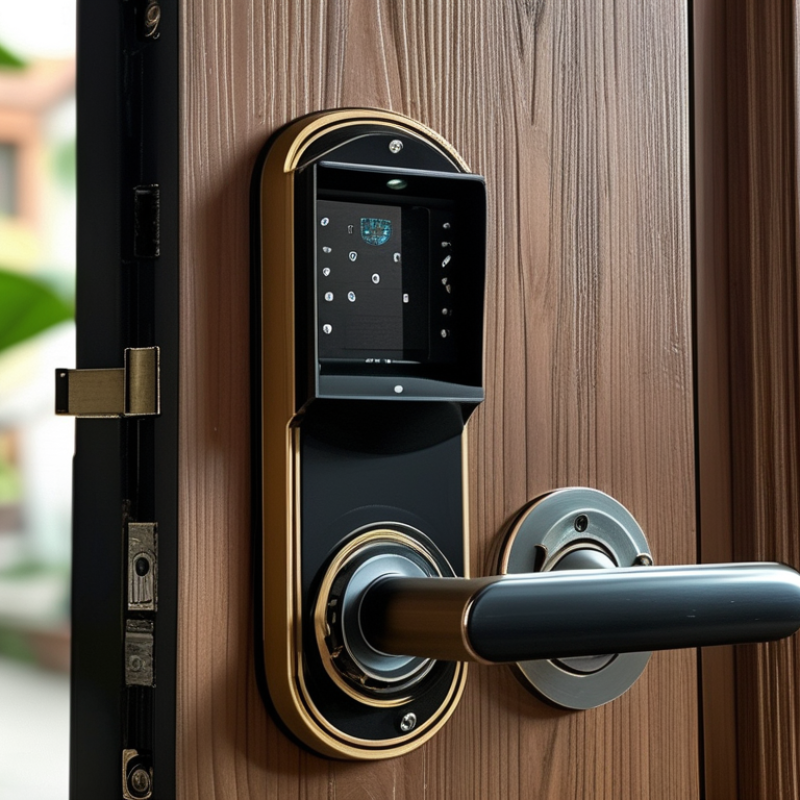
Smart door systems offer convenience but present unique vulnerabilities. Many users overlook security risks associated with these modern devices. According to a recent report from cybersecurity firm Kaspersky, over 30% of smart door locks are potentially hackable due to inadequate encryption protocols. This alarming statistic highlights a critical gap in security that users must acknowledge.
Another key vulnerability lies in weak user authentication methods. A study by the Online Trust Alliance noted that nearly 40% of smart door systems lacked robust authentication systems. Passwords that are easy to guess can leave homes susceptible to unauthorized access. Additionally, if a smart door system connects to other smart home gadgets, any breach could lead to a cascade of security failures across the entire network.
Moreover, many users do not regularly update their smart door software. Research shows that 60% of smart device owners fail to install the latest security patches. This negligence can create exploitable entry points for cybercriminals. As users embrace these technologies, they must remain vigilant about the potential risks that smart door systems carry. Understanding these vulnerabilities is paramount for enhancing home security in an increasingly connected world.
Smart door systems are becoming popular for home security. However, integrating multiple smart devices can lead to interoperability issues. Different manufacturers often use varying protocols, causing devices to struggle to communicate effectively. This can result in frustrating user experiences and unreliable system performance.
To mitigate these challenges, consider investing in devices that adhere to common standards. This can enhance compatibility among products. Regular firmware updates are also crucial. They ensure that your smart devices maintain optimal performance and security.
It’s important to test your smart door system within your home environment. This allows you to identify any connectivity problems before they escalate. Keep in mind that the complexity of your smart ecosystem can create unexpected challenges. Engaging with communities online can offer insights and solutions from users with similar experiences.
Smart door systems are gaining popularity for their convenience and advanced features. However, user authentication remains a critical concern. Weak passwords pose a significant risk to home security. Many users opt for simple passwords, making it easy for hackers to gain access. A common mistake is reusing passwords across different platforms, which can lead to multiple vulnerabilities.
Biometric authentication, such as fingerprint or facial recognition, can enhance security significantly. Nonetheless, not all smart door systems incorporate these features. Users often assume that traditional passwords are enough. This assumption can leave doors wide open for unauthorized entry. Investing in systems that offer robust biometric options can decrease the likelihood of breaches.
The human factor cannot be underestimated. Many people neglect regular updates to their security measures. They may overlook the need to change passwords often as well. Education on the importance of security best practices is vital. Users should remain vigilant and proactive in safeguarding their smart homes, understanding that complacency could lead to dangerous consequences.
| Issue | Description | Impact Level | Mitigation Strategies |
|---|---|---|---|
| Weak Passwords | Many users set simple passwords which can be easily guessed. | High | Encourage the use of strong, unique passwords and regular updates. |
| Lack of Biometric Authentication | Absence of fingerprint or facial recognition increases vulnerability. | Medium | Implement biometric login options as an additional layer of security. |
| Firmware Vulnerabilities | Outdated firmware can expose systems to hackers. | High | Regularly update firmware and software to patch security flaws. |
| Insecure Network Connections | Using unsecured Wi-Fi networks can lead to unauthorized access. | High | Use encrypted networks and avoid public Wi-Fi for device management. |
| User Awareness | Lack of knowledge regarding security risks undermines smart door effectiveness. | Medium | Conduct training sessions to raise awareness on security practices. |
Smart door systems can enhance home security but raise important data privacy concerns. Many systems collect user information, like entry logs and biometric data. This information can be vulnerable to breaches and misuse. Users often lack awareness of how their data is stored and protected. Inadequate security measures can lead to unauthorized access, compromising privacy.
When considering a smart door system, research how each device manages your data. Look for systems that offer end-to-end encryption. Ensure your information is stored locally rather than in the cloud if possible. This reduces the risk of hacks. Always read the privacy policy. Knowing how your data is used is vital.
Tip: Regularly update your system and use strong, unique passwords. This practice makes it harder for intruders to access your information.
Consider disabling features that track location if you prioritize privacy. This can enhance your security by limiting data exposure. Reflect on the balance between convenience and security before making decisions.
Smart door systems promise increased security and convenience, but their reliability can vary significantly. Users often report issues like inconsistent connectivity. These malfunctions can lead to locked doors or systems that fail to recognize authorized individuals. In ideal scenarios, smart locks function seamlessly, but reality tends to paint a different picture.
Understanding performance metrics is crucial. Many systems experience a notable malfunction rate, particularly during extreme weather conditions or power outages. Such situations raise concerns regarding user trust. Frequent connectivity issues can also frustrate users, especially when quick access is required.
Reflecting on these challenges reveals the need for caution. Buyers should carefully research user experiences. It’s advisable to consider systems with proven performance metrics. Relying on solid data can lead to better choices. Everyone wants security solutions that work reliably. Yet, it’s essential to stay informed about potential flaws. Adjusting expectations can improve overall satisfaction.
: Interoperability issues arise when devices from different manufacturers cannot communicate effectively. This leads to poor performance.
Invest in devices that follow common standards. This enhances compatibility and reduces frustration.
Firmware updates maintain optimal performance and security for your smart devices. It helps prevent vulnerabilities.
Test the system in your home to identify connectivity issues early on. This helps prevent bigger problems later.
Weak passwords make homes vulnerable to hackers. Simple or reused passwords can lead to easy unauthorized access.
Biometric authentication, like fingerprints, provides a higher level of security. It reduces the chance of unauthorized entry.
Many users mistakenly believe traditional passwords are enough. This can lead to security risks and breaches.
Education helps users understand best practices. Staying informed is crucial for safeguarding smart homes effectively.
Complacency can lead to neglecting updates and security changes, increasing vulnerability to potential breaches.
Online communities often share insights and solutions for integration issues. Engaging with them can be beneficial.
Smart door systems offer enhanced convenience and security, but it is essential to understand what are common problems with smart door systems. One major issue is their vulnerability to cyberattacks, which can compromise the security of homes if not properly addressed. Additionally, interoperability challenges arise when integrating multiple smart devices, potentially leading to functionality issues.
User authentication is another critical concern, as weak passwords and insufficient biometric protections leave systems open to unauthorized access. Furthermore, data privacy is at risk if smart door systems do not manage user information securely. Finally, users should be aware of reliability and malfunction rates, as performance issues can significantly affect overall safety and functionality. Understanding these vulnerabilities is crucial for any potential user of smart door technology.

KBM Living