Choosing access control for apartment buildings is a critical decision. It impacts security, convenience, and the overall living experience. Many property managers and owners face challenges selecting the right system. Understanding how to choose access control for apartment buildings can be daunting. Several options exist, from key fobs to biometric scanners. Each has its pros and cons.
Security is paramount in residential settings. Poor access control can lead to unauthorized entry and safety concerns. Therefore, it's crucial to evaluate your specific needs. This includes identifying who needs access and at what times. Technical support and ease of use also play significant roles in your decision.
Budget considerations are essential, but they should not compromise safety. Investing in a reliable, advanced system can save money in the long run. Reflect on your choices and seek expert advice. Balancing cost, technology, and user experience brings the best outcome. After all, a secure building is a happy building.
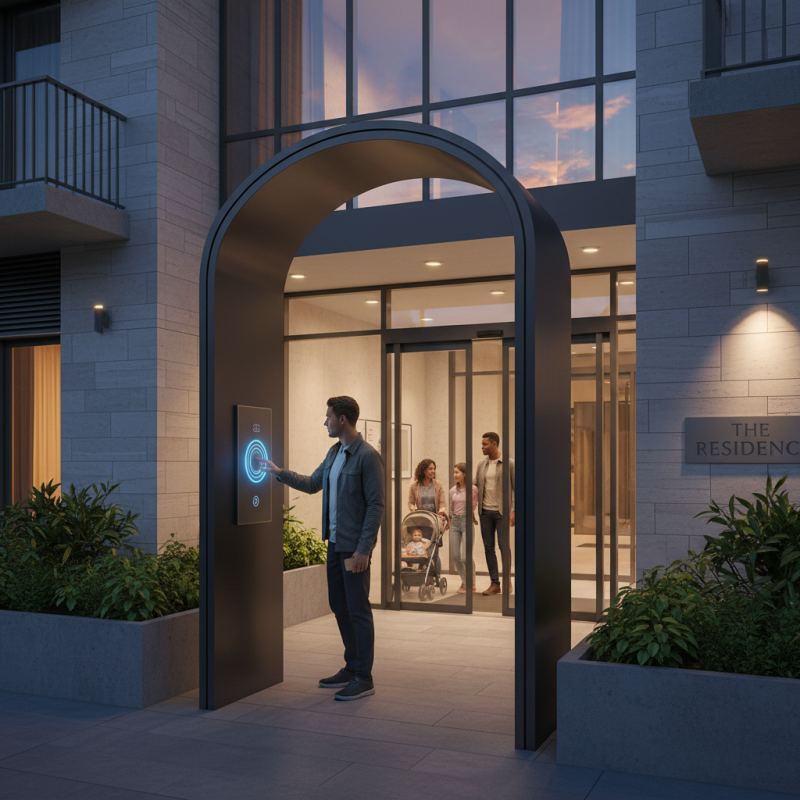
Understanding the Importance of Access Control in Apartment Buildings
Access control is crucial for maintaining security within apartment buildings. A secure environment fosters a sense of safety among residents. Proper access control prevents unauthorized entry, protecting tenants from potential threats. This involves not just physical measures but also technology that manages who can access specific areas.
Understanding the types of access control systems is essential. Key cards, biometric scanners, and intercom systems each have their advantages. However, no single solution fits all scenarios. Neglecting the unique needs of a building can lead to vulnerabilities. Regular assessments and updates to the system may be necessary as technology advances and residents' needs change.
Choosing the right access control is not straightforward. It's important to involve security professionals in the planning process. Get feedback from residents about their concerns too. This approach can highlight potential issues that may not be apparent to property managers. Ultimately, a robust access control system enhances trust and peace of mind for all.
Evaluating Different Types of Access Control Systems Available
When evaluating access control systems for apartment buildings, it is crucial to consider various technologies available. Common options include key card systems, biometric scanners, and mobile access solutions. According to a report by Security Industry Association, about 68% of building managers prefer key card systems due to their flexibility and ease of integration. Such systems can be reprogrammed quickly, reducing downtime when residents lose their cards.
Biometric systems, although more expensive, are gaining traction. They can increase security through fingerprint or facial recognition. A study from the IHS Markit found that 40% of properties were exploring biometric options within the next two years. This technology promises convenience, but users must consider maintenance and potential ethical implications pertaining to data privacy.
Mobile access solutions are on the rise, leveraging smartphones for entry. Nearly 50% of residents show interest in this option for its convenience. However, it raises questions about the technology requirements and user adaptability. Not all residents might be comfortable with mobile apps for access management, which necessitates clear communication and support from management. Choosing the right system involves weighing these considerations, ensuring that security measures align with tenant needs while remaining user-friendly.
Access Control Systems Evaluation for Apartment Buildings
Assessing Security Features: Cameras, Keypads, and Smart Locks
When selecting access control for apartment buildings, security features are critical.
Cameras serve as a deterrent and provide evidence in case of incidents. Choose high-resolution models with night vision capabilities. This ensures clear footage even in low-light conditions. Positioning is important too. Place cameras at entry points and common areas. A well-planned camera layout enhances security.
Keypads offer another layer of protection. They allow for customizable access codes. This is useful for managing tenants and visitors. Regularly changing codes can prevent unauthorized access. Digital keypads can log entry times, which is beneficial for tracking who enters the building.
Smart locks are increasingly popular in modern apartments. They provide keyless entry, which is convenient for residents. However, these systems can be vulnerable to hacking. Consider models with strong encryption protocols. Regular updates are vital for maintaining security. Balancing convenience and security is essential; reviewing features and assessing potential weaknesses is part of the process. Investing time in research can lead to a more secure environment for all residents.
Determining Budget and Cost Considerations for Access Control Solutions
Establishing a budget for access control in apartment buildings is crucial. Property owners must evaluate both initial costs and ongoing expenses. Installation fees for hardware and software can vary significantly. Consider whether to implement card access systems or keypads. Each option has its unique cost implications. Maintenance expenses will arise from regular system checks and potential repairs.
Consider the scale of your building when budgeting. A smaller complex may require less sophisticated systems. Large properties might need integrated solutions that connect to a management platform. Evaluating long-term costs is key. Employees or contractors will be needed for maintenance and updates. Ensure these costs fit within the overall budget while providing a reliable security solution.
Reflect on the impact of tenant requirements. Residents may expect certain features, which can increase costs. It’s essential to balance quality and affordability. Not all high-end options guarantee better safety. Comparing different solutions helps in making informed decisions. Seek quotes but remember to consider warranties and customer support as these are crucial long-term factors.
Involving Residents in the Decision-Making Process for Access Control
Involving residents in the decision-making process for access control is crucial for apartment buildings. Engaging residents ensures their needs and concerns are heard. This approach fosters a sense of community ownership and responsibility. When residents feel involved, they are more likely to support security measures.
Surveys and meetings can be effective tools. Collect feedback on preferred access control methods. Some may favor smart locks, while others might prefer keycard systems. Every input is valuable. However, be aware that not every idea will be feasible. Evaluating all suggestions requires careful thought.
Transparency is also important. Share the reasons behind chosen solutions. Explain how they improve safety and convenience. This builds trust within the community. It’s essential to have open communication throughout the process. Misunderstandings can lead to resistance or dissatisfaction. Listening actively can mitigate these issues.
FAQS
: Access control enhances security and provides residents with a sense of safety. It helps prevent unauthorized entry.
Key cards, biometric scanners, and intercom systems are common. Each has unique advantages and considerations.
No, each building has unique needs. A tailored approach is necessary to minimize security vulnerabilities.
Residents’ feedback can reveal concerns that property managers might overlook. It enhances trust and satisfaction.
Although secure, biometric systems can be costly and raise data privacy concerns regarding user information.
Mobile access offers convenience, allowing smartphone entry. However, not all residents may feel comfortable using apps.
Regular assessments of the access control system are necessary. Updates can ensure it remains effective over time.
Key card systems are flexible but can fail if cards are lost. Quick reprogramming is essential to maintain security.
Security professionals provide expertise in planning and selecting appropriate systems based on specific building needs.
Access control systems should be evaluated regularly to keep up with technological advancements and residents' evolving needs.
Conclusion
When considering how to choose access control for apartment buildings, it is crucial to understand the importance of robust security measures that protect both residents and property. Evaluating different types of access control systems, such as traditional keypads, modern smart locks, or integrated camera systems, can significantly enhance security. Each option offers varying levels of convenience and protection, making it imperative to assess which features best meet the needs of the community.
Additionally, determining budget and cost considerations plays a vital role in decision-making. Involving residents in the selection process not only fosters a sense of community but also ensures that the chosen system aligns with their security expectations. By addressing these aspects, apartment managers can effectively implement a tailored access control solution that enhances safety and peace of mind for all residents.

 KBM Living