Facial recognition technology is revolutionizing security systems worldwide. Recent studies show that 65% of security professionals see its potential to prevent unauthorized access. How does facial recognition improve security systems? By providing real-time identification, it enhances surveillance, reduces human error, and increases response times to incidents. In high-security environments, accuracy rates can exceed 99%, making it a reliable option for protecting assets and people.
However, the implementation of this technology raises concerns. Privacy issues and potential biases in facial recognition algorithms must be considered. Reports indicate that 15% of users express discomfort with constant surveillance. Ensuring ethical use remains crucial, as the balance between safety and privacy is delicate.
Despite these challenges, the benefits of facial recognition in enhancing security are undeniable. Businesses are adopting these systems to mitigate risks and improve safety protocols. With continued advancements, the security landscape is evolving, pushing boundaries and sparking essential conversations about its role in society. It is crucial for stakeholders to reflect on the broader implications of this technology while fully harnessing its capabilities.
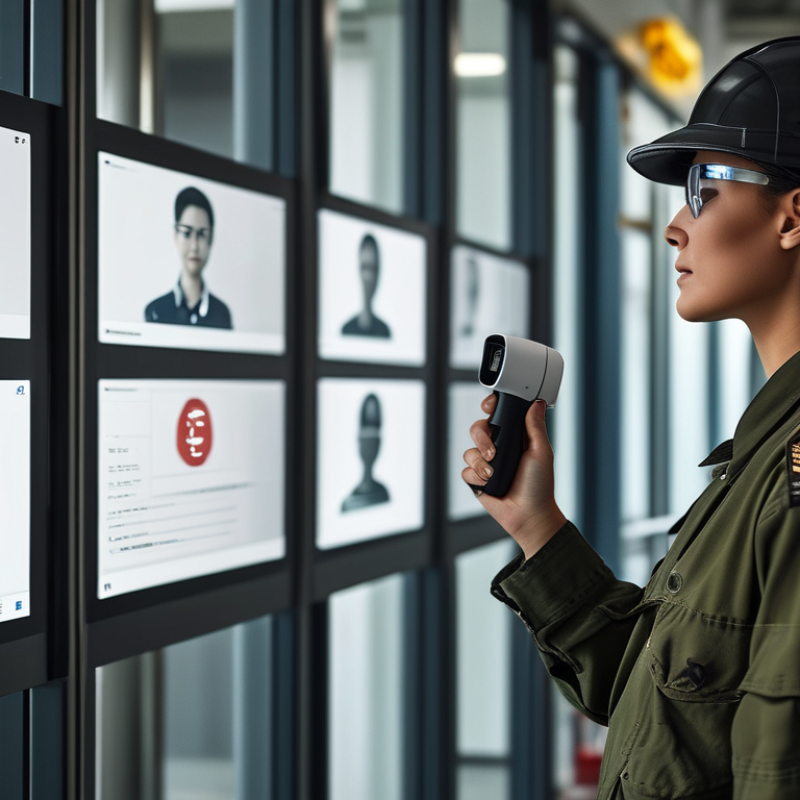
Understanding Facial Recognition Technology in Security Systems
Facial recognition technology plays a crucial role in enhancing security systems today. By leveraging advanced algorithms, this technology can identify individuals swiftly and accurately. It relies on unique facial features, which are more reliable than traditional identification methods. The process includes capturing an image, comparing it to a database, and confirming identities.
Imagine a crowded public space, where security personnel cannot monitor everyone. Facial recognition allows for real-time identification of potential threats. This reduces response times and increases overall safety. Implementing this technology requires careful planning and consideration of privacy concerns. Data protection is vital to maintain trust among the public.
Tips:
- Ensure data security protocols are in place. Regular audits help identify vulnerabilities.
- Use a transparent approach to inform the public about the technology's purpose and use. This builds community trust and accountability.
- When deploying facial recognition, consider the potential for bias. Continuous analysis is necessary to improve accuracy across diverse demographics.
Improved Access Control with Facial Recognition Solutions
Facial recognition technology significantly enhances access control within modern security systems. By analyzing unique facial features, these systems can identify individuals quickly and accurately. This capability reduces the risk of unauthorized entries and improves overall safety. Implementing such solutions allows organizations to provide seamless access to authorized personnel while restricting unwanted visitors.
However, relying solely on facial recognition systems has potential downsides. Privacy concerns arise when personal data is stored and analyzed. For example, how is this data protected? Are there adequate measures against data breaches? Organizations must address these questions to gain public trust while maximizing security benefits.
Moreover, the technology is not infallible. Environmental factors like lighting conditions can impact accuracy. A bright light or poor angle may misidentify an individual. Regular updates and training for the system can help mitigate these issues, though imperfections remain. Balancing security needs and ethical considerations is crucial. This balance will define the effectiveness of facial recognition in enhancing access control.
Top 10 Ways Facial Recognition Enhances Security Systems
| Method |
Description |
Benefits |
| Access Control |
Utilizes facial recognition to grant access to secure areas. |
Reduces unauthorized access and enhances safety. |
| Visitor Management |
Automatically identifies and logs visitors using facial data. |
Improves tracking and control over visitors in a facility. |
| Surveillance |
Enhances surveillance systems to detect and identify individuals. |
Increases detection rates of suspicious behavior. |
| Identity Verification |
Verifies identity through facial recognition at points of entry. |
Streamlines authentication processes. |
| Automated Alerts |
Triggers alerts when recognized faces match pre-set criteria. |
Provides real-time security responses to potential threats. |
| Integration with Other Systems |
Works with other security systems to enhance overall functionality. |
Increases overall security measures effectiveness. |
| Data Analysis |
Analyzes facial recognition data for insights on security trends. |
Enables proactive security measures based on data patterns. |
| Enhanced User Experience |
Reduces wait times at access points through quick recognition. |
Improves overall satisfaction and efficiency. |
| Reduced Human Error |
Minimizes human errors in security protocols. |
Increases accuracy in identity confirmation. |
| Scalability |
Easily scales with increasing security needs. |
Allows for flexible security expansion as required. |
Real-Time Surveillance Enhancements through Facial Recognition
Facial recognition technology plays a pivotal role in real-time surveillance enhancements. According to a report by Markets and Markets, the global facial recognition market is projected to reach $12.6 billion by 2025. This growth underscores its increasing adoption in security applications. Enhanced real-time surveillance through facial recognition can identify individuals within seconds. This capability transforms security systems, allowing for prompt responses to potential threats.
Real-time facial recognition systems often integrate with existing CCTV networks. They analyze video feeds and trigger alerts when a match is found. This is particularly useful in high-traffic areas like airports and stadiums. A study by the Security Industry Association reveals that 80% of security professionals believe facial recognition improves incident response times. Such efficiency is vital when every second counts.
Tip: Ensure your security system regularly updates its facial recognition database. Stale data can lead to missed alerts or false positives.
Despite these advancements, challenges remain. False positives can occur, especially in crowded environments. Moreover, privacy concerns persist regarding the collection of biometric data. Balancing security needs with individual rights is complex.
Tip: Engage in regular training for security personnel on interpreting alerts and handling privacy concerns effectively.
Identification and Tracking of Persons of Interest
Facial recognition technology significantly enhances security systems, particularly in identifying and tracking persons of interest. This capability allows security personnel to monitor areas for individuals flagged in real-time. For instance, when a known threat enters a monitored location, alarms can trigger instantly, enhancing response times and preventive measures.
However, the reliance on facial recognition is not without challenges. Issues such as false positives can occur, misidentifying innocent individuals as threats. These inaccuracies can lead to unnecessary confrontations or legal concerns. Moreover, the technology raises ethical questions about privacy and surveillance. While monitoring can be essential for safety, it is crucial to balance security with an individual’s right to privacy.
The effectiveness of facial recognition systems largely depends on the quality of the data used. Poor-quality images can limit accuracy, leading to ineffective monitoring. Security systems that do not continually update their databases may struggle with identifying persons of interest. While facial recognition represents a powerful tool in modern security, ongoing evaluations and ethical considerations remain essential.
Boosting Public Safety and Crime Prevention Using Facial Recognition
Facial recognition technology plays a pivotal role in enhancing public safety. By accurately identifying individuals, it helps law enforcement agencies respond swiftly to potential threats. In crowded areas like airports or stadiums, this technology can quickly flag suspicious behavior. Real-time alerts enable security personnel to act before incidents escalate.
However, reliance on facial recognition isn’t without concerns. Privacy issues arise when individuals are monitored without consent. The technology can sometimes misidentify people, leading to wrongful accusations. These pitfalls require careful consideration and the need for transparent policies. Ensuring that this powerful tool is used responsibly is essential. Balancing security and individual rights is a delicate task for society and policymakers alike.
Using facial recognition systems can significantly enhance crime prevention tactics. They can track known offenders and prevent repeat offenses. Yet, ensuring that this system operates effectively involves ongoing evaluations and updates. Continuous improvement is essential, focusing not just on accuracy, but also on ethical implementation.
FAQS
: It is used for real-time identification of individuals, enhancing surveillance in various locations.
It can identify individuals within seconds, allowing for prompt responses to potential threats.
High-traffic areas, such as airports and stadiums, benefit significantly from facial recognition surveillance.
It can lead to false positives and raises privacy concerns regarding biometric data collection.
The effectiveness of recognition systems relies heavily on the quality of the data used.
Security systems should regularly update their facial recognition databases to improve accuracy.
The technology raises concerns about privacy and the balance between security needs and individual rights.
Yes, it can track known offenders and help prevent repeat offenses when implemented effectively.
Regular training on interpreting alerts and addressing privacy concerns is essential for effective usage.
Misidentifications can lead to wrongful accusations and unnecessary confrontations, which require careful consideration.
Conclusion
Facial recognition technology plays a pivotal role in enhancing security systems, offering various benefits that significantly improve safety and efficiency. By understanding how facial recognition improves security systems, organizations can implement improved access control solutions that ensure only authorized individuals gain entry. Additionally, real-time surveillance enhancements allow for continuous monitoring and quick responses to suspicious activities, thereby preventing potential incidents before they escalate.
Moreover, this technology aids in the identification and tracking of persons of interest, which is crucial for law enforcement and public safety efforts. By boosting public safety initiatives and facilitating effective crime prevention strategies, facial recognition becomes an invaluable tool in modern security systems, paving the way for safer environments in diverse settings.

 KBM Living