In today’s world, home security is more crucial than ever. A video entry system offers a reliable way to enhance safety. It allows homeowners to see who is at the door, ensuring peace of mind. Understanding how to install a video entry system in a house can seem daunting, but it’s a worthwhile investment for your family’s safety.
Installing such a system brings numerous benefits. You gain control over access points and can monitor activities in real-time. This technology not only deters intruders but also helps in managing deliveries and guests. However, improper installation can lead to vulnerabilities. It’s essential to follow guides or consult professionals for effective results.
Embracing a video entry system reflects a commitment to home security. Learning how to install a video entry system in a house can transform your living space. With proper installation, you ensure safety and convenience. Yet, it's vital to stay informed about updates and maintenance to maximize the system's effectiveness.
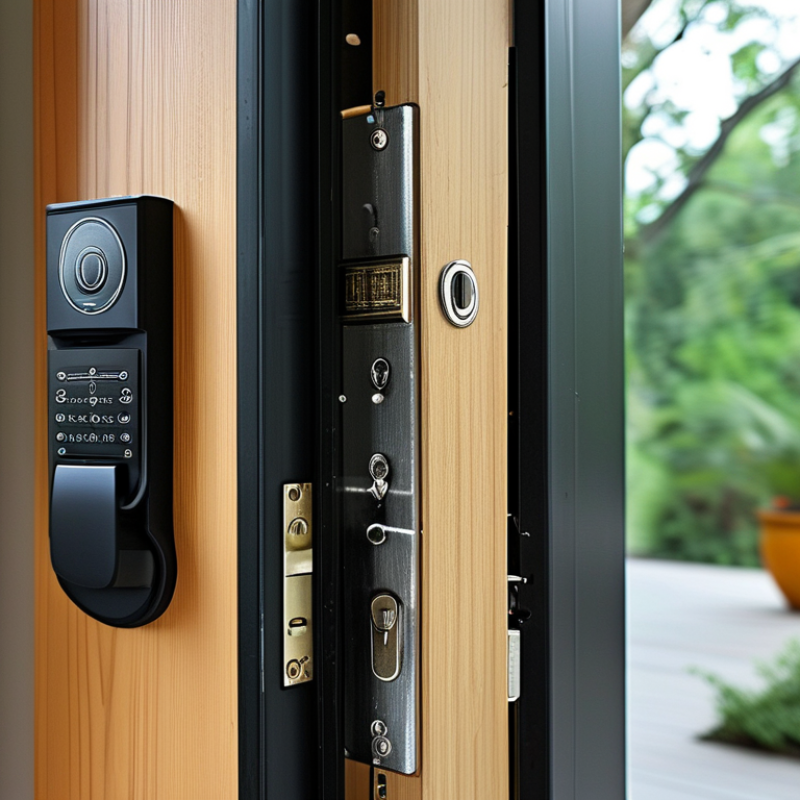
A video entry system offers a modern solution to enhance home security. It allows homeowners to see and communicate with visitors without opening the door. This system features a camera at your entrance, providing live video feeds directly to your smartphone or monitor. The peace of mind it offers is invaluable. You can identify strangers or unwanted guests before deciding to engage.
Many systems also include features like motion detection and recording capabilities. This creates a digital log of who visited your home. If an unexpected situation arises, you have evidence of what occurred. The convenience is notable when you’re busy or away from home. Imagine receiving alerts while you’re at work and being able to interact with delivery personnel.
However, some may find technology daunting. Learning to navigate the system takes time and practice. And reliability can be an issue during bad weather. It’s essential to choose a system suited to your specific needs. Balancing technology with everyday life can be challenging, yet it’s worth considering. Embracing these systems may change how you view home security.
| Benefit | Description | Impact |
|---|---|---|
| Enhanced Security | Allows you to see who is at your door before answering, deterring potential intruders. | High |
| Remote Access | View and communicate with visitors from anywhere using your smartphone or tablet. | Moderate |
| Increased Convenience | Easy to identify package deliveries and guests without opening the door. | Moderate |
| Video Recording | Records video footage of visitors, useful for evidence in case of incidents. | High |
| Improved Communication | Enable two-way audio, allowing you to speak with visitors without opening the door. | Moderate |
Video entry systems have become essential in enhancing home security. They offer a powerful layer of protection to prevent unauthorized access. When someone approaches your door, a video entry system allows you to see them in real-time. This feature is particularly helpful during nighttime or low-visibility conditions. You can identify visitors without opening the door. Such systems provide peace of mind for families, especially in higher crime areas.
Moreover, video entry systems can connect to your smartphone. This connectivity lets you monitor your home remotely. Imagine receiving a notification while at work about someone at your front door. You can see, hear, and even speak to the visitor without being physically present. This interaction adds a sense of control and safety. However, users must keep in mind the importance of ensuring the system is set up correctly. A poorly installed unit might fail to capture vital footage.
There are various options available, but finding the right fit for your needs is crucial. Some systems may lack clarity in low-light situations, while others could have connectivity issues. It’s worth researching different models and understanding their functionalities. Even the best systems have limitations. Regular maintenance is needed to keep the system running efficiently. Balancing these factors can lead to a more secured environment.
A video entry system enhances home security and convenience. Key components play a crucial role in its functionality. The entrance monitor allows residents to see who is at the door. This device often features a screen that displays live feeds. Additionally, some systems include two-way audio. This feature enables communication with visitors without opening the door.
Cameras are vital for these systems. High-definition imaging captures clearer video, even in low light. Many cameras also come with motion sensors. They alert homeowners when someone approaches the entrance. Storage options vary too. Some systems save footage on cloud servers, while others use local storage. This flexibility can suit different needs.
Installation is another aspect to consider. Connecting these systems may seem challenging. Professional help could be beneficial, but some opt for DIY installations. Be mindful of the mounting location for optimal visibility. Assess your entryway carefully. Think about obstructions that might block the camera’s view. A well-planned setup ensures maximum effectiveness. It’s an investment in both safety and peace of mind.
When considering a video entry system for your home, it’s essential to choose one that fits your unique needs. Start by assessing your specific requirements. How many entry points do you need to monitor? What features are crucial for your lifestyle? Think about aspects like remote access, two-way communication, and night vision capabilities. These factors will help narrow down your options.
Tips: Look for systems that integrate well with your existing smart home devices. Compatibility can enhance functionality and security. Ensure that the system you choose allows for straightforward installation. Some systems come with professional installation support, while others favor DIY. Consider your comfort level with technology when making this choice.
Also, pay attention to user reviews. Real-world feedback sheds light on a system's reliability and performance. It's not uncommon to find features that seem appealing in marketing but may not work as effectively in practice. Take note of the installation process and customer service experiences shared by other users. This research can lead you to make a more informed choice.
This chart illustrates the various benefits of installing a video entry system in your home, including enhanced security, convenience, increased property value, and peace of mind.
When considering the installation of a video entry system, proper setup and maintenance are key. According to the Security Industry Association,
video surveillance can deter crime by up to 60%. Users must ensure optimal placement of cameras for comprehensive coverage.
Ideal locations include entryways and blind spots.
Installing systems at a height of around 8 to 10 feet enhances both visibility and security.
Regular maintenance is vital for these systems. Software updates should occur every few months. Otherwise, vulnerabilities may arise.
Clean the cameras periodically to avoid obstruction from dust or weather elements.
Research shows that 47% of security system failures result from poor maintenance practices.
Users should test functionality monthly and check for weak signals in wireless systems.
It’s crucial to understand the system's limitations as well; improper installation can lead to blind spots and compromised security.
Setting up a video entry system is not a one-time task. Users may encounter technical difficulties, like connectivity issues with Wi-Fi-enabled devices.
Keeping up with the technology can be challenging, and many homeowners might overlook this aspect.
Proper research and planning can help mitigate these challenges, ensuring a reliable security measure for your home.
: A video entry system enhances home security. It allows residents to see visitors and communicate without opening the door.
Consider key features like remote access, two-way communication, and night vision capabilities. These enhance your security and lifestyle.
High-definition cameras provide clearer images. They are especially useful in low-light conditions and capture vital details.
Not necessarily. Some systems allow for DIY installation. However, professional help could simplify the process and ensure effectiveness.
Ideal camera locations are entryways and blind spots. Position them about 8 to 10 feet high for optimal visibility and security.
Regular maintenance prevents vulnerabilities. Dusty cameras or outdated software can lead to system failures, compromising security.
Monthly functionality tests are vital. Check for weak signals and keep your system updated to avoid connectivity issues.
Yes. Look for systems that integrate well with your smart home devices. Compatibility enhances overall functionality and security.
Connectivity problems might arise, especially with Wi-Fi-enabled systems. Also, improper installation may create blind spots in coverage.
User reviews provide real-world insights. They highlight reliable performance and installation experiences, helping you make informed choices.
Installing a video entry system in your home offers significant benefits, particularly in enhancing security. These systems allow homeowners to see who is at the door before granting access, providing peace of mind and an additional layer of protection. Key components such as high-resolution cameras, two-way audio, and remote access play crucial roles in the functionality of these systems.
When considering how to install a video entry system in a house, it’s essential to choose a system that fits your specific needs, whether for a small apartment or a larger family home. Proper installation and regular maintenance are vital to ensure the system operates effectively. By understanding the features and following best practices, homeowners can significantly improve their home security and feel more connected to their living spaces.

KBM Living