Installing a video entry system in your house offers enhanced security and convenience. Many homeowners want to know how to install a video entry system in a house to protect their families. This technology allows you to see who is at your door before opening it.
A video entry system includes a camera, a monitor, and often, two-way audio. You can choose from wired or wireless options. Each choice has its pros and cons. For example, wireless systems are easier to install but may encounter connectivity issues. Wired systems can assure reliability but require more installation effort.
This process can be challenging. Taking the time to understand your specific needs is vital. Make sure to research available products and read customer reviews. Mistakes can happen, such as incorrect placement of the camera or overlooking the power source. Reflecting on these aspects can improve your installation experience.
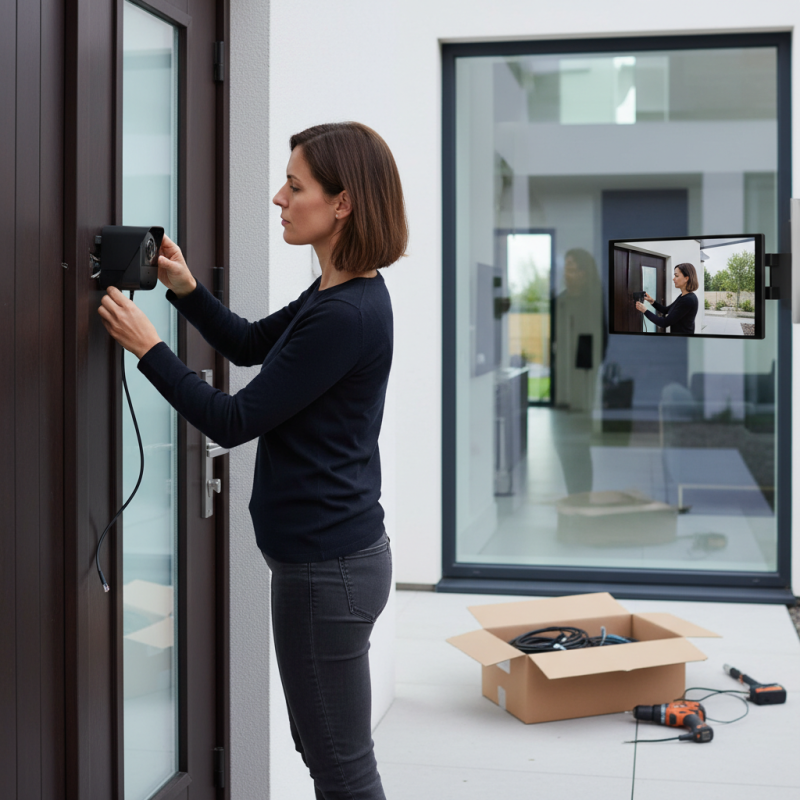
When choosing the right video entry system for your home, several factors come into play. The first consideration is the features that suit your lifestyle. Systems can include high-definition cameras, night vision, and two-way audio. According to a recent report, 52% of homeowners prefer systems that provide real-time alerts and remote access via smartphones. This convenience adds security that traditional systems lack.
Another vital aspect is compatibility with your existing home infrastructure. Not all systems easily integrate with smart home devices. Some installations may require professional help, which adds to the overall expenditure. A survey indicates that 65% of users experienced installation challenges. They often needed additional hardware or modifications to make everything work together smoothly.
Price is a prominent concern as well. The market shows significant variability. Systems can range from affordable units to high-end models costing thousands. In fact, data shows that about 40% of consumers regret their initial choice due to overspending or inadequate features. Researching available options ensures you won’t face such pitfalls. Finding a balance between cost and functionality is critical. It's essential to assess your priorities before making a final decision.
: Look for high-definition cameras, night vision, and two-way audio. Real-time alerts and remote access are also popular.
Compatibility ensures smooth integration with smart devices. Installation challenges often arise when systems don’t fit existing setups.
Prices vary widely. Some systems are affordable, while others can cost thousands. Be mindful of your budget.
Yes, about 40% of consumers regret overspending or selecting inadequate features. Researching options helps avoid this pitfall.
Essential tools include a drill, screwdriver, wire cutters, and a voltmeter. Missing tools can complicate your project.
Using subpar materials can shorten the system's lifespan. Quality cables and connectors are essential for a durable setup.
Light exposure and camera angles play a key role in performance. Consider obstacles that might block camera views.
Many overlook environmental details, leading to dissatisfaction. Preparation can prevent these mistakes and enhance performance.
Improper installation can result in high failure rates, up to 30% in the first year. Gathering proper tools helps mitigate issues.
Not always, but some systems may require it. Assess your skills and experience before deciding on professional assistance.
Installing a video entry system in your house can significantly enhance your home security and convenience. To begin, it's crucial to choose the right video entry system that fits your specific needs and preferences. Once you've made your selection, gather all necessary tools and materials to ensure a smooth installation process.
The installation itself involves a step-by-step approach, which includes mounting the video entry device, connecting it to necessary power and network sources, and properly configuring the system for optimal use. Finally, thorough testing of the system will help ensure that everything functions as intended, providing peace of mind and effective monitoring for your home. By following these guidelines on how to install a video entry system in a house, you can achieve a successful setup.

 KBM Living