How to Integrate Access Control with Surveillance Systems for Security?

Time:2026-05-13 Author:Oliver
0%

Integrating access control with surveillance systems is essential for enhancing security. These two technologies work best together. According to Sarah Johnson, an expert in security systems, “The synergy between access control and surveillance can prevent incidents before they escalate.”

Organizations often struggle with understanding how to integrate access control with surveillance systems effectively. The need for real-time monitoring and tracking is increasing. Integration allows for immediate alerts and a faster response to threats. Yet, many businesses miss the mark on achieving this balance.

Failure to integrate can lead to gaps in security. Without cohesive systems, vulnerabilities remain unaddressed. Experts emphasize the importance of a well-planned strategy. This strategy ensures seamless communication between devices. Investing time and resources in this integration is crucial for any security plan. Companies must reflect on their current systems and strive for improvement.
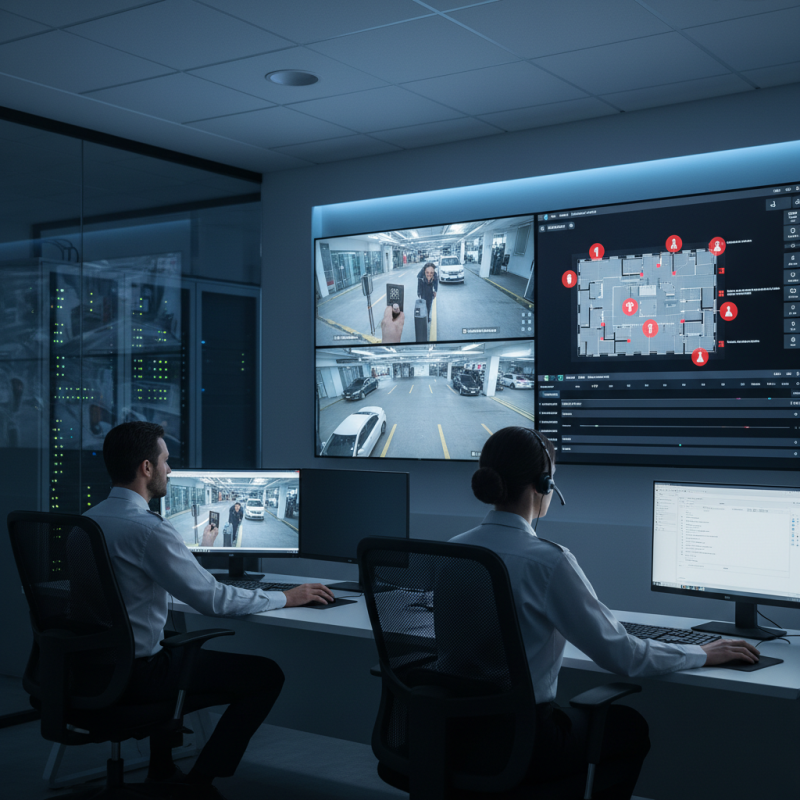
How to Integrate Access Control with Surveillance Systems for Security?

Understanding Access Control Systems and Their Importance in Security

Access control systems play a critical role in modern security frameworks. They define who is allowed to enter specific areas, protecting sensitive information and assets. By regulating access based on user credentials, these systems reduce the risk of unauthorized entry. Different methods exist, such as key cards, biometric scans, and password management. Each method has its strengths and weaknesses. For instance, biometric scans can offer high security but may present complications in user experience.

Surveillance systems complement access control by providing a visual record of activities occurring at secured locations. They can alert security personnel to potential breaches instantly. Integrating surveillance with access control enhances overall security. However, potential challenges arise. Cameras might miss essential details if not strategically placed. Poor lighting or obstructions can hinder performance. Plus, the wealth of data collected requires proper management to avoid information overload.

Constant reflection on the effectiveness of these systems is vital. Security is not a one-size-fits-all solution. Regular audits can reveal areas needing improvement. Engaging with evolving technologies is also necessary. This flexibility allows organizations to address new threats effectively. Strong access control paired with vigilant surveillance forms a robust security posture.

Access Control Systems and Surveillance Integration

Key Components of Surveillance Systems for Enhanced Security Integration

Surveillance systems play a crucial role in modern security setups. They integrate with access control systems to provide enhanced protection. A study by the Security Industry Association indicates that nearly 75% of organizations acknowledge this integration as vital for effective risk management. High-quality cameras, motion detectors, and data storage systems are essential components of these setups. They ensure real-time monitoring and provide documentation for any security incidents.

Integrating access control with surveillance improves response capabilities. Security personnel can review footage directly linked to access logs. This correlation aids investigations and helps identify potential threats. For optimal performance, ensure your cameras have night vision and high-definition capabilities. A reliable storage solution is also necessary for retaining footage longer.

Tips: Regularly update your system software. This minimizes vulnerabilities. User training is key to effective operation. Ensure employees understand the camera placements and access protocols. Consistent testing of both systems is essential. This routine can reveal blind spots and improve overall effectiveness. Always analyze your existing setup. Reflection can highlight areas for better integration strategies.

Analyzing the Role of Data Analytics in Access Control and Surveillance

Data analytics plays a crucial role in enhancing access control and surveillance systems. By analyzing patterns in data, security professionals can identify potential threats before they escalate. The integration of these systems allows for real-time monitoring, providing a more comprehensive view of security operations. Data analytics helps to filter out false alarms, allowing security teams to focus on genuine threats.

Decision-makers can leverage insights gained from historical data to improve their access control measures. For instance, understanding peak traffic times can inform when to bolster security. However, reliance on data analytics comes with challenges. Data privacy concerns may arise, as personal information is often collected. Balancing security needs with privacy is complex and requires continuous reflection.

Moreover, the technology used in data analytics must be continuously updated. Outdated systems may provide inaccurate information, which can hinder security efforts. Regular evaluations and improvements are essential for maintaining effectiveness. Engaging in discussions around ethical considerations can also enhance trust within organizations and with the public.

Best Practices for Integrating Access Control and Surveillance Technologies

Integrating access control with surveillance systems enhances security effectively. Start by assessing the physical layout of the premises. Understanding flow patterns and critical points is essential. This helps identify areas where surveillance and access control can join forces.

Next, ensure that both systems communicate well. It's vital for access logs to correlate with video footage. This integration enables quick identification of unauthorized access. Additionally, consider the data storage protocols. Large volumes of video data require efficient management. An unreliable system can lead to gaps in security.

However, it's crucial to revisit your integration strategy regularly. Technology evolves rapidly, and staying updated is necessary. Consider possible oversights, such as the lack of user training. Employees must understand how to use these technologies effectively. A well-trained staff can leverage these tools for better security.

Case Studies: Successful Implementations of Integrated Security Solutions

Integrating access control with surveillance systems has proven effective in enhancing security. In several case studies, organizations have successfully created a seamless security environment. For instance, an educational institution combined its access control system with video surveillance. This allowed real-time monitoring of entry points while recording visitors. Data showed a significant decline in unauthorized access incidents.

Another example comes from a corporate office that employed an integrated solution for its premises. Using access control data, security personnel monitored employee movements through CCTV systems. This integration provided insights into personnel behavior, identifying potential security breaches before they occurred. However, challenges emerged. Some employees felt surveillance was intrusive. Balancing security with privacy remains a critical consideration.

In retail settings, a chain implemented a similar integrated approach. By connecting point-of-sale systems with video surveillance, they tracked transaction patterns and identified theft attempts. Yet, user training was essential to ensure all employees understood the technology. Not all staff felt confident using the system, which hampered its effectiveness. Continuous improvement and feedback are vital in these implementations.

FAQS

: What are the key components of a surveillance system?

: Essential components include high-quality cameras, motion detectors, and data storage systems for effective monitoring.

How does integration between access control and surveillance improve security?

It enhances response capabilities and helps security personnel investigate incidents using linked footage and access logs.

Why is data analytics important in security systems?

Data analytics helps identify potential threats by analyzing patterns, filtering out false alarms, and providing real-time monitoring.

What should organizations do to maintain their surveillance systems?

Regular software updates and user training are crucial for minimizing vulnerabilities and ensuring effective operation.

Can data privacy concerns arise in security systems?

Yes, as personal information is often collected, balancing security needs with privacy is a complex issue requiring reflection.

How can companies improve their access control measures?

Understanding peak traffic times through historical data can inform when to enhance security requirements effectively.

What challenges might employees face with integrated surveillance systems?

Some may feel that surveillance is intrusive, creating concerns about privacy and balancing security measures.

What role does user training play in security implementations?

User training ensures that all employees understand how to effectively use the technology and enhances overall security.

How can organizations identify potential security breaches?

Monitoring personnel behavior with integrated systems allows early identification of unusual activities or patterns.

What is crucial for successful integration of security systems?

Continuous improvement and open feedback from users help to enhance system effectiveness and user confidence.

Conclusion

Integrating access control with surveillance systems is crucial for enhancing overall security in various environments. Understanding access control systems and their importance sets the foundation for effective security measures. Key components of surveillance systems, such as cameras and monitoring software, play a vital role in this integration. By analyzing data analytics, organizations can gain invaluable insights that improve both access control strategies and surveillance effectiveness.

Best practices for this integration include ensuring seamless communication between systems and utilizing technology that enhances functionality. Successful case studies demonstrate the positive impact of integrated security solutions, showcasing how to integrate access control with surveillance systems to create a comprehensive security framework. This approach not only protects assets but also streamlines security operations, providing a proactive stance against potential threats.

Oliver

Oliver

Oliver is a seasoned marketing professional with a wealth of expertise in driving brand awareness and engagement. With a deep understanding of our company's product offerings, he consistently delivers high-quality content that enriches our professional blog. His insights not only shed light on......