Why is Mobile Access Control Gaining Popularity Today?

Time:2026-06-01 Author:Madeline
0%

The rise of mobile access control has become a significant topic in security discussions today. More organizations and individuals are choosing mobile solutions for ease and efficiency. This trend raises an important question: why is mobile access control trending? Innovative technology plays a crucial role in this shift. The integration of smartphones into everyday life has made access control more manageable and efficient.

Mobile access control enables users to unlock doors with a simple tap on their devices. This convenience appeals to many. Security is another major factor driving this trend. Mobile systems often provide enhanced security features like encryption, which offer reliable protection. In addition, remote access capabilities help monitor security from anywhere.

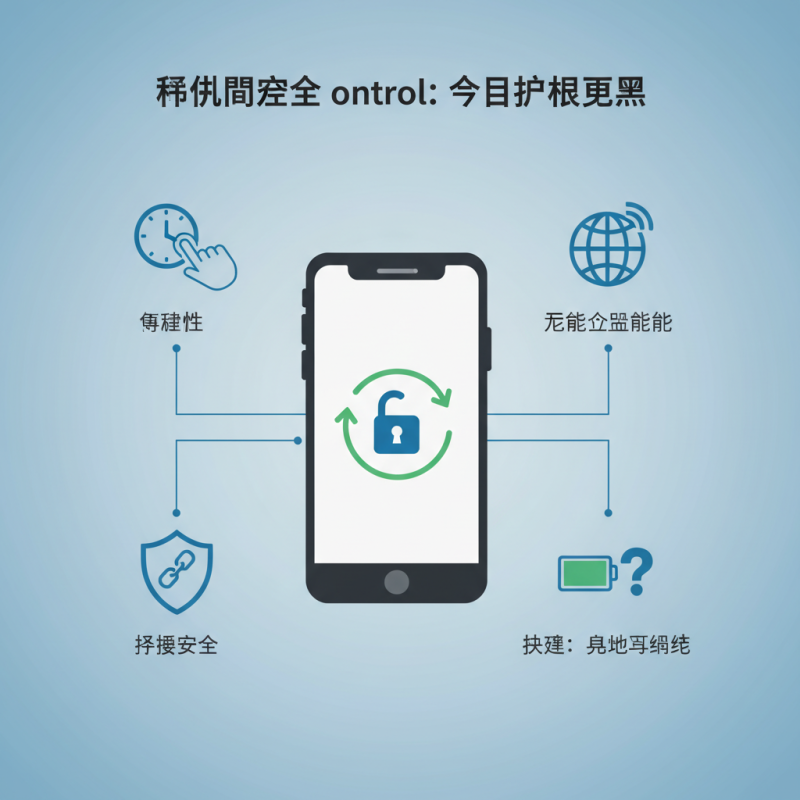
Despite its advantages, mobile access control is not without challenges. Users must be cautious about potential vulnerabilities in mobile devices. Factors like battery life and connectivity can impact access reliability. Organizations should weigh these considerations carefully while adopting new systems. Ultimately, understanding why mobile access control is trending can help decision-makers navigate the evolving landscape of security technology.
Why is Mobile Access Control Gaining Popularity Today?

The Rise of Mobile Access Control in Modern Security Systems

Mobile access control is becoming increasingly popular in modern security systems. This shift is largely driven by the need for convenience and enhanced security. Users can now control access to their spaces through smartphones, eliminating the need for traditional keys and entry cards. This simplification appeals to both individuals and businesses.

The rise of mobile access control is also influenced by technological advancements. Many systems now incorporate biometric features and encrypted communication, enhancing security and providing peace of mind. Yet, challenges remain. Some users may have concerns about privacy and data security. Mismanagement of access permissions can lead to vulnerabilities. It's crucial to ensure proper user education on these systems.

Moreover, integration with other technologies is essential. Mobile access can work seamlessly with alarm systems and surveillance cameras. However, not all systems are user-friendly. Some may experience glitches or connectivity issues. An intuitive interface is vital for widespread adoption. Addressing these imperfections will improve user experience and increase trust in mobile access control systems.

Key Benefits Driving the Adoption of Mobile Access Control

Mobile access control is gaining traction, driven by its many benefits. Security concerns grow as businesses adapt to modern threats. Mobile access allows users to manage entries easily via smartphones. This convenience is appealing to those seeking efficiency.

One key benefit of mobile access control is its flexibility. Users can grant or revoke access in real time. This means a lost card doesn’t have to lead to lengthy security breaches. Additionally, integration with existing systems simplifies management. Notifications alert administrators to any suspicious activities promptly.

The convenience of mobile access also extends to user experience. Employees no longer need to carry physical keys or cards. However, reliance on mobile devices raises questions about cybersecurity. Protecting sensitive data is vital. Regular updates and user education can mitigate risks. Balancing convenience with security is a continuous challenge.

Technological Advances Supporting Mobile Access Solutions

Mobile access control is becoming increasingly popular, driven by technological advancements. These solutions offer convenience and enhance security for users worldwide. Smartphones are now essential tools for managing access to buildings, offices, and secure areas. Users simply tap or swipe their devices, eliminating the need for physical keys or cards.

Advanced technologies like Bluetooth and Near Field Communication (NFC) make mobile access solutions seamless. These technologies allow users to unlock doors with a simple gesture. However, the reliance on technology raises concerns. Battery life and device compatibility can be issues. Users may find themselves locked out if their devices fail unexpectedly.

Security is another important aspect to consider. While mobile access systems can offer robust protection, vulnerabilities can exist. Cybersecurity threats can compromise user accounts. It’s crucial to stay informed and adopt best practices for securing mobile access. Users must regularly update their devices and use strong passwords. This behavior protects sensitive information from potential breaches.

Feature Percentage Adoption User Satisfaction Rating Security Incidents Reported
Mobile App Integration 78% 8.5/10 5
Bluetooth Technology 65% 9.0/10 2
Cloud-Based Management 70% 8.7/10 4
Real-Time Access Control 73% 8.6/10 3
Mobile Credentialing 80% 9.2/10 1

Comparison of Mobile Access Control with Traditional Methods

Mobile access control is transforming security systems. It offers convenience and flexibility compared to traditional methods. Users can unlock doors using their smartphones, making entry seamless. Traditional systems rely on physical keys or cards, which can be lost or stolen. Mobile solutions eliminate this risk.

In terms of security, mobile access control can be more reliable. It often employs encryption and real-time updates. This enhances protection against unauthorized access. However, it requires a strong internet connection, which can be a limitation. Traditional methods do not depend on connectivity but are prone to wear and tear over time.

Moreover, mobile access control allows for remote management. Administrators can grant or revoke access instantly, ensuring only authorized individuals can enter. In contrast, traditional systems necessitate manual changes, which can be time-consuming. Yet, mobile solutions can face vulnerabilities like hacking. It’s crucial to strike a balance between convenience and security. Users need to consider potential risks before transitioning fully to mobile access control.

Comparison of Mobile Access Control and Traditional Methods

Future Trends in Mobile Access Control Development and Usage

Mobile access control is evolving rapidly. According to a recent report by International Data Corporation (IDC), the mobile access control market is projected to reach $2.78 billion by 2025. This growth highlights the increasing reliance on smartphone technology for security solutions. Many users appreciate the convenience of managing entries through their mobile devices, reflecting a shift in consumer behavior.

The integration of biometrics and IoT is shaping the future of mobile access control. A study by MarketsandMarkets indicates that the biometric market will grow to over $40 billion by 2025. More facilities are adopting these advanced features to enhance security and user experience. However, concerns about data privacy remain. Organizations need to address these vulnerability issues to optimize trust in mobile solutions.

As adoption rates rise, challenges persist. Not every user is comfortable with mobile technology. Some criticize the potential for technical failures. Acknowledging these flaws is vital for developers. Continuous innovation should focus on user-friendly and secure systems. The future landscape of mobile access control will rely on effectively balancing convenience and security measures.

FAQS

: What is mobile access control?

: Mobile access control allows users to manage entries using smartphones, eliminating the need for physical keys.

What are the benefits of mobile access control?

Key benefits include flexibility, ease of use, and real-time access management for enhanced security.

How does mobile access control improve security?

It often uses encryption and real-time updates, which can better protect against unauthorized entry.

What challenges does mobile access control present?

Reliance on mobile devices can lead to issues like battery failure and security vulnerabilities.

Can mobile access control be managed remotely?

Yes, administrators can grant or revoke access from anywhere, ensuring effective management.

What are common cybersecurity concerns with mobile access?

Vulnerabilities such as hacking and compromised accounts must be addressed with strong passwords and regular updates.

How does mobile access compare to traditional methods?

Mobile access is more flexible and convenient, while traditional methods can be slower and prone to wear and tear.

What should users consider before switching to mobile access control?

Users need to weigh the benefits against potential risks like connectivity issues and cybersecurity threats.

Is user education important for mobile access systems?

Yes, educating users about security best practices is vital to protect sensitive information.

Can a lost mobile device lead to security risks?

Yes, losing a mobile device may expose users to unauthorized access if not promptly managed.

Conclusion

The rise of mobile access control in modern security systems reflects a shift towards more user-friendly, efficient, and secure methods of managing access. Key benefits driving the adoption of mobile access control include enhanced convenience for users, the ability to easily update permissions, and improved security through encrypted mobile credentials. Technological advances, such as the proliferation of smartphones and advancements in wireless networking, support these mobile access solutions, making them increasingly viable for various applications.

Furthermore, when comparing mobile access control with traditional methods, the former provides greater flexibility and quicker response times to access management needs. As businesses and consumers alike recognize the advantages, it's clear that the question of "why is mobile access control trending" is answered by its ability to meet the demands of modern security challenges. Looking ahead, future trends indicate further developments in mobile access control technology, including integration with IoT devices and enhanced biometric features, ensuring its continued ascendance in security protocols.

Madeline

Madeline

Madeline is a dedicated marketing professional with a wealth of expertise in our company's core offerings. With a keen understanding of the industry, she brings a unique perspective to her role, consistently delivering high-quality content that highlights the superior aspects of our products. As......