In today's security landscape, understanding what features should a modern access control system have is crucial. Businesses are increasingly investing in advanced technologies to protect their assets. A reliable access control system acts as the first line of defense against unauthorized access.
Modern systems offer diverse features that enhance security and streamline operations. Key components include biometric authentication, mobile access, and real-time monitoring. Biometric technologies, such as fingerprint scans, ensure precision in identity verification. Mobile access empowers users with convenient entry methods, reflecting the shift toward digital solutions. Real-time monitoring allows security teams to respond swiftly.
However, not all organizations leverage these features effectively. Some may overlook the importance of regular software updates or neglect to train staff adequately. It is vital to evaluate whether your access control system meets your specific needs. This reflection could reveal gaps, prompting enhancements that bolster your overall security posture.
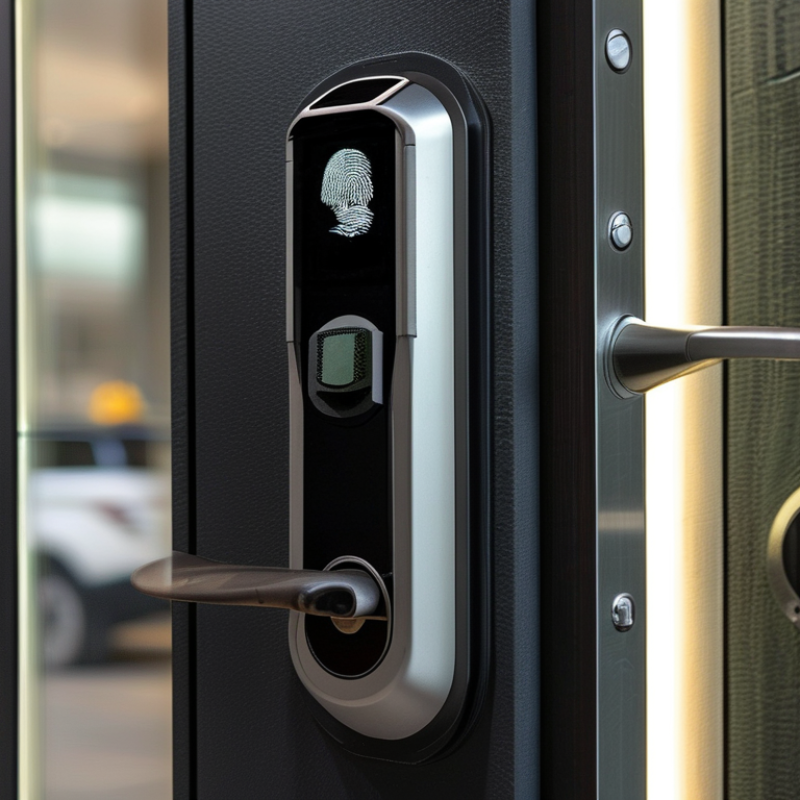
Modern access control systems are essential for securing facilities. They combine technology and policy to protect physical and digital assets. Key components define their effectiveness and reliability.
One critical element is user authentication. Strong passwords, biometric scanning, and key cards provide multiple layers of security. However, reliance on a single method can be risky. For instance, passwords can be forgotten or compromised. A multi-factor approach strengthens security but may lead to user frustration.
Another vital aspect is real-time monitoring. Systems should offer instant alerts for unauthorized access attempts. Monitoring software enables administrators to respond swiftly. Yet, constant vigilance can overwhelm security teams. It’s essential to strike a balance between responsiveness and managing alert fatigue.
Lastly, seamless integration with other security measures enhances performance. Access control should work alongside video surveillance and intrusion detection systems. This interconnectedness can create a comprehensive security environment. However, compatibility issues may arise, leading to unexpected gaps in protection. Building a cohesive system requires careful planning and ongoing adjustment.
User authentication is a cornerstone of modern access control systems. Organizations today must adopt multifactor authentication (MFA) to bolster security. A study from Cybersecurity Insiders revealed that 81% of data breaches result from weak passwords. This statistic highlights the urgent need for robust authentication methods beyond just basic passwords.
Biometric authentication, such as fingerprint or facial recognition, is becoming increasingly popular. Reports indicate that 65% of companies are using biometrics to protect sensitive information. This technology offers a unique solution because it relies on physical traits that are difficult to replicate or steal. However, concerns about privacy and data storage remain. Users often question what happens to their biometric data after it's collected.
Moreover, access control systems must be adaptable. The rise of remote work has changed the authentication landscape. A report from Gartner noted that 74% of organizations plan to permanently shift to more remote work. Consequently, access systems must accommodate various user environments. While innovations like behavioral analytics are promising, experts note that they also present challenges in accuracy and user trust. Balancing these advancements with user experience is a critical task ahead.
Modern access control systems are increasingly reliant on seamless integration with various technologies and security systems. A report from Security Management Journal notes that over 70% of businesses now prioritize integration capabilities in their security solutions. Organizations seek systems that connect with video surveillance, alarm systems, and even visitor management platforms. This interconnectedness enhances the security posture and operational efficiency across an organization.
Combining access control with cloud services has become essential. According to a study by the Security Industry Association, cloud-based access control solutions are adopted by more than 50% of firms due to their flexibility and remote management capabilities. However, this transition is not without challenges. Many businesses face difficulties in ensuring data security and interoperability between systems. These hurdles require careful planning and dedicated resources to navigate successfully.
Moreover, integrating these systems can expose vulnerabilities if not managed properly. Adopting new technologies should come with comprehensive training for employees. A cybersecurity awareness report highlighted that 60% of data breaches are linked to human error. Organizations must balance the convenience of technology with the importance of security protocols.
Scalability and flexibility are key attributes for modern access control systems. As businesses grow and evolve, their security needs change too. A scalable system can easily adapt to increasing numbers of users and various types of access points. This adaptability ensures that organizations can maintain security without constant overhauls.
Many organizations struggle with rigid systems that cannot accommodate shifting needs. These limitations can lead to security gaps and inefficiencies. A flexible access control solution allows for easy integration with existing infrastructure. It ensures that any enhancements or changes align with overall security strategies. Such systems should support multiple authentication methods, enabling organizations to select what works best for them.
Moreover, the user experience should not be compromised. Complex systems can confuse users and lead to mistakes. Intuitive designs, combined with flexible permissions, foster better compliance and engagement from employees. Each aspect of the system should prioritize user accessibility while maintaining stringent security levels. By focusing on these characteristics, businesses can build robust access control solutions that stand the test of time.
In today's digital landscape, real-time monitoring and reporting features are essential for modern access control systems. These capabilities enhance security by providing instant alerts about unauthorized access attempts. Real-time insights enable security personnel to respond swiftly, reducing potential risks.
Implementing a monitoring system allows organizations to track access events as they happen. This live data can be crucial during security breaches. Alerts can be configured to notify relevant personnel immediately. It empowers teams to act quickly and effectively when threats arise.
Tips: Regularly review access logs. Analyze patterns and spot anomalies. Be wary; not all systems are foolproof. Human error can lead to security lapses. Continuous training for security staff ensures proper usage and increases overall safety.
| Feature | Description | Importance Level | Implementation Cost |
|---|---|---|---|
| Real-Time Monitoring | Continuous tracking of access events as they occur. | High | $$$ |
| Reporting Features | Automated reports on access history and trends. | Medium | $$ |
| User Management | Ability to manage user permissions and access rights. | High | $$ |
| Integration Capabilities | Seamless compatibility with other security systems. | High | $$$ |
| Mobile Access | Remote access through mobile devices for convenience. | Medium | $$ |
| Audit Trail | Records of all access attempts, successful or not. | High | $$ |
: User authentication is crucial. Strong passwords, biometrics, and key cards provide layers of security.
Single methods can fail. Passwords can be forgotten or hacked, leading to vulnerabilities.
It provides instant alerts about unauthorized access, allowing quick responses to potential threats.
Constant alerts can lead to alert fatigue, making it challenging to stay vigilant.
It enhances overall performance, creating a more robust security environment.
Careful planning and ongoing adjustments are necessary to address compatibility issues.
They track access events live, which is crucial for immediate response during incidents.
They are not foolproof. Human error can lead to security lapses despite technological safeguards.
Regularly reviewing access logs and analyzing patterns helps identify anomalies quickly.
Continuous training increases proper usage of systems and improves overall safety measures.
A modern access control system is essential for enhancing security in various environments, and understanding what features a modern access control system should have is crucial for organizations. Key components include robust user authentication methods, such as biometrics and multi-factor authentication, ensuring only authorized personnel can gain access. Integration with existing technologies, including security systems and building management solutions, further enhances functionality and streamlines operations.
Additionally, scalability and flexibility are vital, allowing systems to grow and adapt to changing security needs. Real-time monitoring and reporting features provide organizations with immediate insights into access events, helping to identify and respond to potential security threats promptly. By focusing on these features, businesses can establish efficient and secure access control solutions tailored to their specific requirements.
KBM Living