What Security System Certifications Are Needed in 2026?

Time:2026-11-05 Author:Sienna
0%

Security systems now connect cameras, alarms, access controls, and cloud dashboards. That creates a skills mix. Installers need practical wiring knowledge, while some roles also require fire-alarm expertise, cybersecurity awareness, or local licensing. The U.S. Bureau of Labor Statistics describes security and fire alarm installation as a distinct occupation, but its requirements do not establish a universal certification rule. Rules vary by location, employer, and system type. That distinction matters.

The question “what certifications are required for security systems” has no single answer for every technician or project. ISC2’s 2024 Cybersecurity Workforce Study estimated a global cybersecurity workforce gap of 4.8 million people, underscoring the need for digital skills as connected devices become more common. Still, that figure does not mean every installer needs a cybersecurity credential. It is context, not a licensing standard. Credentials such as ESA training, NICET fire-alarm certifications, BICSI credentials, and manufacturer courses may be relevant to specific duties. Employers may also set requirements beyond local rules. The categories can blur, and that is where buyers and new technicians can get confused. This guide separates legal or licensing requirements from professional credentials and optional training. It also explains what to verify before hiring or choosing a certification in 2026. Check the authority having jurisdiction, the project specification, and the credential issuer. Do not rely on a course title alone.
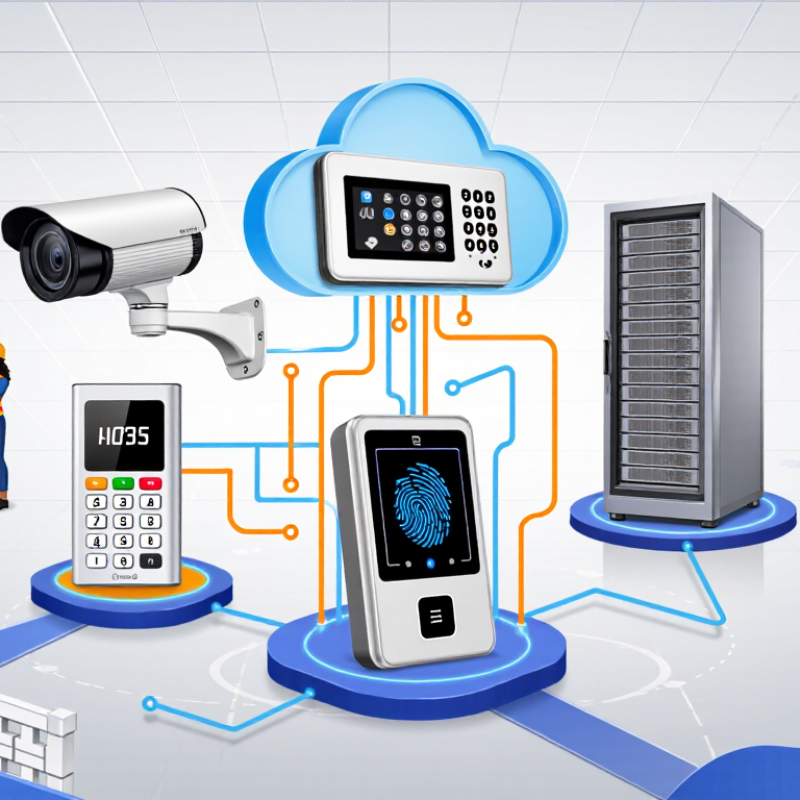
What Security System Certifications Are Needed in 2026?

What Security System Certifications Cover and Why They Matter

Security system certifications cover different risks; one certificate cannot prove everything. Product testing may assess electrical safety, alarm signaling, access-control performance, or resistance to heat and moisture. Personnel credentials focus on whether technicians can install and maintain equipment competently. Organizational certifications examine documented processes, risk management, and records. The distinction matters: a reader beside a damp loading bay needs suitable environmental protection, while a networked camera needs careful configuration.

The 2024 Data Breach Investigations Report found that a human element was involved in 68% of breaches. That figure makes training and access controls relevant, not optional paperwork. The 2024 Cost of a Data Breach Report estimated the global average breach cost at $4.88 million. Certifications cannot prevent every incident, but tested products and repeatable procedures can reduce avoidable weaknesses. They are not magic shields.

For procurement, match the certificate’s scope to the actual device, system, and installation conditions. Check the standard edition, testing body, and whether the certificate remains current. A certified component may still be poorly configured or maintained. That gap is easy to miss. Commissioning records, software updates, permission reviews, and routine inspections provide evidence that the installation works as intended. Standards also change; a certificate valid today may not answer every requirement in 2026.

How Certification Requirements Vary by System and Region

In 2026, security certification is not one universal badge. Requirements depend on the system, its intended use, and where it will be installed. A wired alarm may need electrical safety testing, while wireless sensors can also face radio-frequency approval. Cameras and access-control equipment may trigger separate rules for data protection, network security, or building access. Details matter.

Regional differences can change both the paperwork and the testing route. A product sold across several markets may need to meet different electrical, radio, and labeling standards in each one. Some regions recognize international test reports; others require local registration or review. In commercial buildings, insurers, property owners, or procurement teams may also ask for independent testing, even when it is not a legal requirement. Check the rules for the destination country and the installation site, not just the product category.

Certification also differs from installer licensing. Local authorities may require trained or licensed technicians to connect alarms or access systems, while another region may focus mainly on equipment approval. Keep test reports, declarations, device specifications, and installation records together. A common planning mistake is assuming that a certificate for one component covers the whole system. It may not. Requirements can change, and the boundary between a legal obligation and a customer requirement is not always obvious. Verify it before ordering equipment.

Which Standards Apply to Alarms, Cameras, and Access Control

What Security System Certifications Are Needed in 2026?

Which Standards Apply to Alarms, Cameras, and Access Control

There is no single certification covering every security system. Requirements depend on the equipment, installation, insurer, and project location. For intrusion alarms, UL 681 addresses installation and classification; UL 827 applies to central-station alarm services. Access control equipment may be evaluated under UL 294. For security video systems, IEC 62676 provides performance and system guidelines. Check that a certificate covers the exact device and intended use—not just a similar product. The details matter.

Cybersecurity deserves equal attention. ISO/IEC 27001 certifies an organization’s information security management system, not a camera or alarm by itself. NIST’s Cybersecurity Framework 2.0 is guidance, not a product certification. Still, it can help teams assess connected devices, user access, updates, and incident response. Verizon’s 2024 Data Breach Investigations Report found that the human element was involved in 68% of breaches. A strong device can still be exposed by weak passwords or poor account practices.

Tip: Ask for current certificates, test-lab details, and installation records. Confirm firmware update support and change default credentials before connecting equipment. Keep the paperwork. It is easy to overlook, and that is precisely where reviews can fall short. One standard rarely answers every question.

What Certifications Security Installers and Integrators May Need

In 2026, security installers and integrators may need local trade licenses, low-voltage permits, or electrical qualifications. Exact rules depend on location and project type. A camera installation differs from connecting access controls to a fire or building system. Some jurisdictions also require background screening or registered contractors. These are not the same as voluntary certifications. Check the authority responsible for licensing before quoting work.

Tips: Keep copies of credentials, training records, and permit approvals. Ask clients about existing fire, network, and access-control connections before installation. Small details matter.

Useful training may cover alarm installation, fire-system interfaces, electrical safety, data privacy, and secure network configuration. Integrators handling life-safety equipment should confirm the specific qualifications required for that work. Practical competence matters too: technicians should know how to test a door release, label cables, and document camera settings. A certificate alone cannot prove careful workmanship. I have seen paperwork become outdated while field practices change, so review training regularly. Where requirements remain unclear, get written guidance from the local licensing body or project authority.

What Security System Certifications Are Needed in 2026? — What Certifications Security Installers and Integrators May Need

Credential or requirement What it covers Who may need it Typical status in 2026 Important consideration
State, provincial, or local security and low-voltage license Legal authorization to install, service, monitor, or sell regulated alarm and electronic security systems. Installers, integrators, alarm businesses, or qualifying managers working in regulated jurisdictions. May be legally required Rules vary by location and by system type. Check licensing, experience, examination, insurance, and renewal requirements with the relevant authority before taking work.
Fire alarm contractor or technician authorization Local approval for work involving fire alarm systems, including installation, alteration, inspection, or testing. Personnel and companies performing fire alarm work where separate fire-system rules apply. Jurisdiction-dependent A general low-voltage license may not authorize fire alarm work. The authority having jurisdiction determines applicable permits, qualifications, and inspection rules.
NICET Fire Alarm Systems certification Technician knowledge and experience in fire alarm system layout, installation, inspection, testing, or maintenance, depending on the certification and level. Fire alarm designers, installers, inspectors, and service technicians; sometimes specified in project documents or local requirements. Often requested Certification is not a universal substitute for a required license. Confirm which NICET program and level are accepted for the specific role and jurisdiction.
Fire alarm inspection and testing qualification Competence in inspecting and testing fire alarm systems and documenting results. Technicians assigned to inspection, testing, maintenance, or acceptance-support duties. Role-dependent Applicable codes and local rules may set personnel qualifications. A credential alone does not override the project’s code requirements or the authority having jurisdiction.
Alarm-industry technician training or certification Fundamentals of intrusion alarm installation, wiring, system configuration, troubleshooting, and customer handover. Entry-level and experienced intrusion alarm technicians, particularly where employers or licensing rules require documented training. Commonly useful Programs and recognition differ. Verify that the specific course or credential is accepted by the employer, licensing authority, or contract.
BICSI telecommunications and cabling credentials Structured cabling installation, testing, and infrastructure practices relevant to networked cameras, access control, and security communications. Cabling installers, technicians, and project leads working on commercial security networks. Project-dependent Often valued by employers or specified by clients, but generally not a security-system license. Check the exact credential and current qualification requirements.
OSHA construction or general-industry safety training Workplace hazard awareness, such as ladder safety, electrical hazards, and construction-site safety. Technicians working on construction sites or in workplaces with applicable training requirements. Training may be required OSHA 10-hour and 30-hour courses are outreach training programs, not professional certifications or a universal legal requirement for every installer. Employer and site rules may differ.
ASIS Physical Security Professional (PSP) Professional knowledge of physical security assessments, application, design, and integration. Experienced security consultants, integrators, designers, and security program professionals. Optional professional credential It can support professional credibility but does not itself authorize electrical, alarm, or fire alarm work. Eligibility and renewal conditions apply.
Manufacturer-specific product training Configuration, commissioning, troubleshooting, and support for particular security equipment or software. Installers and integrators working with specified products or seeking authorized service status. Contract-dependent May be required by a supplier, warranty, customer, or project specification. It is not a substitute for legally required licensing or code qualifications.
Project, client, or site-specific qualification Additional requirements such as background screening, site safety orientation, cybersecurity training, or documented commissioning experience. Contractors working on government, healthcare, education, critical-infrastructure, or other controlled sites. Site-dependent Requirements are set by the contract, owner, or applicable regulations and can change from one project to another.

Note: There is no single certification that is universally required for every security installer or integrator in 2026. Legal licensing and personnel requirements depend on location, system type, job duties, and contract. Confirm current rules with the licensing authority and the authority having jurisdiction before beginning work.

How to Verify Certification and Prepare for 2026 Requirements

In 2026, verify the certificate, not just the supplier’s claim. Ask for the certificate number, issuing body, applicable standard and edition, product model, and covered installation scope. Then confirm the record directly in the issuer’s public directory. Check expiry dates and whether firmware or hardware changes affect coverage. A valid certificate for one device may not cover the full installed system.

Match the evidence to the risk. Access-control equipment may be assessed against product-specific standards, while connected components may need cybersecurity controls. Confirm that the testing laboratory’s accreditation covers the relevant tests, and keep test reports, declarations, maintenance records, and renewal dates together. Paperwork can still mislead. Read the scope carefully.

Prepare a simple inventory of cameras, alarms, controllers, software versions, and network connections. The 2024 Data Breach Investigations Report found that the human element was involved in 68% of breaches analyzed. That finding makes staff access and configuration records worth reviewing alongside product certificates. Run a sample check: trace one device from its label to its certificate and current firmware. Requirements differ by location and project. Confirm them with the relevant authority or qualified assessor before procurement; I would not assume that one certificate covers every component.

Security System Standards to Check for 2026

Edition years of selected international standards relevant to video surveillance, access control, intrusion alarms, and information security.

These standards address different parts of a security system; they are not a universal list of required certifications. Applicable certification or approval depends on the product, installation location, local regulations, and contract requirements. Confirm the current national adoption and accepted edition with the relevant authority or assessor before purchasing or applying.

FAQS

Can one certificate cover an entire security system?

Usually not. A certificate may cover one device, installation method, service, or organization. Check the exact scope and model. A certified camera does not automatically certify its recorder or network setup.

What do security certifications actually assess?

They may assess electrical safety, alarm signaling, access-control performance, or resistance to heat and moisture. Personnel credentials focus on technician skills. Organizational certifications review documented processes and records. Different evidence answers different questions.

Does cybersecurity certification prove a camera is secure?

Not necessarily. An organization-level certification may assess information-security management, not a specific camera. Review update support, account permissions, and default credentials. Small setup mistakes matter.

How can I check whether a certificate is current?

Request its number, issuing body, standard edition, product model, and installation scope. Check the issuer’s public directory and expiry date. Compare the product label with the certificate. Keep a copy.

Can a certified component still have security gaps?

Yes. Poor configuration, missed updates, or weak permissions can leave gaps. Commissioning records and routine inspections help show how the system operates. Paperwork alone is thin evidence.

Why should staff training and access reviews matter?

Review who can access the system and whether staff know basic procedures. Human actions contributed to many reported breaches. Change default credentials before connecting devices. Training is not paperwork.

How should buyers prepare for changing requirements?

Inventory cameras, alarms, controllers, software versions, and network connections. Keep test reports, maintenance records, and renewal dates together. Requirements vary by location. Confirm them before purchase.

Does a certificate confirm a device suits its installation site?

Not always. A reader beside a damp loading bay needs suitable moisture protection. Check that the certificate covers the intended conditions, not just a similar device. I still find this easy to miss.

Conclusion

Security system certifications help demonstrate that equipment and installation practices meet recognized expectations for safety, performance, reliability, and interoperability. What certifications are required for security systems depends on the type of system, its intended use, the installation environment, and the region where it will operate. Alarm systems, surveillance cameras, and access control equipment may each be assessed against different technical standards, while projects serving higher-risk or regulated environments may have additional requirements.

Installers and integrators may also need relevant training, credentials, or documented experience, depending on local rules and project specifications. To prepare for 2026, identify the standards that apply to each system component, confirm requirements with the appropriate local authorities or project stakeholders, and check that certificates are current and match the exact equipment and scope of work. Keeping records of certifications, inspections, and installer qualifications can help support a compliant, dependable security system.

Sienna

Sienna

Sienna is a skilled marketing professional with a deep expertise in our company’s core products and services. With a passion for innovation and detail, she plays a pivotal role in crafting insightful blog posts that not only highlight the unique features of our offerings but also provide valuable......