Smart doorbells are transforming how people interact with their homes. According to industry expert Sarah Thompson, "The rise of smart doorbells reflects a global demand for convenience and security." This trend highlights the growing interest in home automation.
So, why are smart doorbells becoming popular? One reason is their ability to enhance home security. With built-in cameras and motion detection, these devices provide real-time alerts to homeowners. They allow users to see who's at the door, even when they're not home. Visual verification is becoming essential for many families.
Additionally, smart doorbells offer convenience. Users can communicate with delivery personnel or visitors through their smartphone. This feature eliminates the need to open the door physically. However, as this technology evolves, it raises questions about privacy and data security. People need to consider the implications of having cameras at their entrances. The balance between security and privacy is essential as smart doorbells gain more traction in households worldwide.
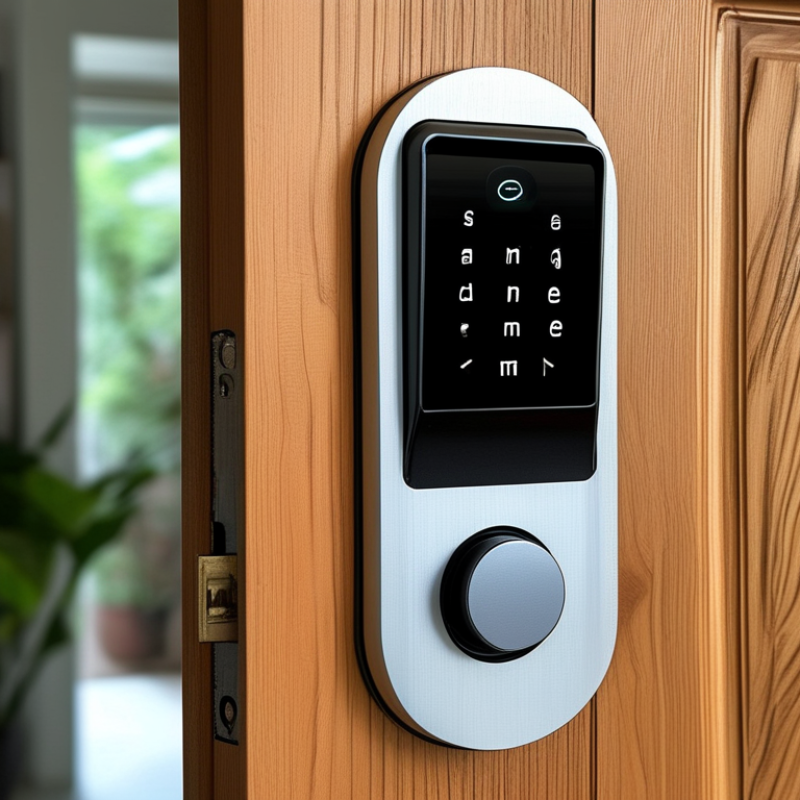
The Rise of Smart Doorbells in the Modern Home
Smart doorbells are transforming modern homes. They blend convenience and security, making them increasingly popular. These devices offer a range of features that appeal to homeowners. Live video feeds, two-way audio, and motion detection are just a few.
Security is a major reason for their rise. Homeowners feel safer when they can see who is at their door, even when they’re away. This sense of control enhances their daily lives. Smart doorbells also integrate with home automation systems. They can alert homeowners when someone approaches their door, adding another layer of protection.
Tips:
Consider the placement of your smart doorbell. It should have a clear view of your entryway. Make sure your Wi-Fi signal is strong in that area. Regularly update the device's software for optimal performance. Evaluate the features you need. Some users might find too many functions overwhelming. Focus on what suits your lifestyle.
Do explore the potential privacy concerns. Footage can be vulnerable if not properly secured. Reflect on how often you truly need to monitor your door. It’s about balance—convenience and security without intrusion.
Key Features That Attract Consumers to Smart Doorbells
Smart doorbells are becoming increasingly popular. These devices offer features that appeal to many homeowners. One significant attraction is the high-definition video quality. Users can see visitors clearly, even at night. Additionally, two-way audio lets them communicate instantly. This can enhance security and convenience.
Another feature gaining attention is motion detection. Smart doorbells can alert users when someone approaches. This capability provides an added layer of safety. Many users appreciate receiving real-time notifications on their smartphones. It allows them to monitor their property from anywhere.
However, there are areas for improvement. Some people find the setup process confusing. Others may feel overwhelmed by the device's features. Ensuring a user-friendly experience is crucial for wider adoption. As technology evolves, manufacturers must address these concerns. The balance between advanced functions and simplicity will determine the future popularity of smart doorbells.
Impact of Smart Technology on Home Security and Convenience
Smart doorbells have quickly become a vital part of modern home security. According to a report by Statista, the global smart doorbell market is expected to grow from $3.5 billion in 2021 to over $12.6 billion by 2025. This rapid rise reflects a significant shift towards smart technology in everyday life. Consumers value convenience and improved security features, making these devices increasingly popular.
The impact of smart technology on home security is profound. With features like HD video, two-way audio, and motion detection, homeowners can monitor their properties from anywhere. A study by Parks Associates revealed that 42% of smart doorbell owners feel safer at home. Yet, there are challenges to address. Some users face privacy concerns, as video feeds may be vulnerable to hacking. The balance between convenience and safety is crucial.
Convenience extends beyond security. Smart doorbells are an integral part of home automation systems. They can connect to other smart devices, allowing seamless integration into daily routines. For instance, they can notify users when packages arrive or even allow visitors to enter. However, reliance on technology raises questions about usability and accessibility for all demographics. As we embrace these devices, reflection on privacy and inclusivity is essential.
Market Trends Driving the Adoption of Smart Doorbells Worldwide
Smart doorbells are rapidly gaining traction around the globe. One key driver is the rising demand for home security. More homeowners seek innovative ways to protect their property. Smart doorbells provide an interactive solution. They enable users to see and communicate with visitors remotely, increasing peace of mind.
Another important trend is the integration of smart home technology. Many households are adopting smart devices, creating a more connected living space. Smart doorbells often connect with other security systems. This creates an efficient ecosystem for monitoring and managing home safety.
**Tip:** Consider the features you need. Look for models with video capabilities, night vision, and two-way audio. These technologies enhance security and user convenience. On a practical note, check the installation process. Some doorbells require more effort than others, so ensure it fits your skill level.
As the popularity of these devices rises, so does consumer awareness. Users are more informed than ever about their options. They compare features, prices, and user reviews. This dynamic influences market trends significantly. Choosing a smart doorbell should involve careful consideration of your specific needs and preferences.
Why are Smart Doorbells Gaining Popularity Worldwide?
The chart above illustrates the rising trend in smart doorbell sales from 2019 to 2023, showing a significant increase in consumer adoption and interest in smart home technology.
Challenges and Considerations in Smart Doorbell Usage
As smart doorbells become more common, users face several challenges that warrant careful consideration. Privacy remains a top concern. According to a 2022 report by Parks Associates, 40% of consumers worry about unauthorized access to their video footage. Such apprehensions can deter potential users from embracing this technology.
Another challenge is the integration of smart doorbells with existing home security systems. A recent survey revealed that 30% of users found compatibility issues frustrating. These problems can lead to a disjointed experience, where the smart doorbell fails to communicate seamlessly with other devices. Such difficulties highlight the importance of ensuring software updates and system compatibility.
Tips: Ensure regular updates for your devices. This keeps security features robust. Also, check user reviews before purchasing. They often reveal compatibility insights. When setting up a smart doorbell, assess your home’s Wi-Fi strength. If the signal is weak, consider a range extender. These steps can enhance your smart doorbell experience.
FAQS
: High-definition video quality and two-way audio enhance security and convenience for many homeowners.
They feature motion detection and send real-time alerts, allowing users to monitor their property remotely.
Some users find the setup process confusing, which can hinder their initial experience.
A complicated interface can discourage adoption, impacting their popularity and user satisfaction.
They integrate with existing smart home systems, creating a comprehensive monitoring ecosystem.
Assess needed features and installation complexity to ensure it fits your skill level.
Yes, 40% worry about unauthorized access to video footage, which can deter use.
Some users experience frustrations with integration into existing security systems.
Regular updates and checking Wi-Fi strength can enhance performance and security features.
Consumers compare features, prices, and user reviews when selecting a model.
Conclusion
Smart doorbells are rapidly gaining popularity worldwide, and there are several reasons behind this trend. Firstly, advancements in technology have made these devices more accessible and appealing to consumers. Key features such as high-definition video, two-way audio, and motion detection have significantly enhanced home security and convenience. These functionalities allow homeowners to monitor their entrances remotely, providing peace of mind and a sense of control.
Market trends also reflect a growing demand for smart home devices, with an increasing number of consumers prioritizing security and ease of use. However, challenges such as privacy concerns and installation issues still exist. Despite these hurdles, the benefits of smart doorbells contribute to their rise in adoption, leading many to wonder why smart doorbells are becoming popular in modern homes. Overall, their combination of innovative technology and practical advantages positions them as a key component in enhancing home security.

 KBM Living