2026 Top Access Control Methods for Offices Which is Best?

Time:2026-09-03 Author:Aria
0%

In today's business environment, choosing the right access control method is essential. Offices need security systems that adapt to their unique requirements. With various technologies available, decisions can be overwhelming. Every organization aims to enhance safety, while also ensuring flexibility for employees and visitors.

So, what is the best access control method for offices? This question often arises among facility managers and security professionals. The answer varies based on specific needs. Traditional keys may feel secure, but they lack the sophistication of modern solutions. Biometric systems offer advanced features but can be costly and complex.

Evaluating strengths and weaknesses is critical. Some methods provide convenience, while others focus on high security. While we want the best, no system is flawless. Reflecting on these aspects can help businesses find a balance. Understanding the landscape of access control methods will empower organizations to make informed choices.
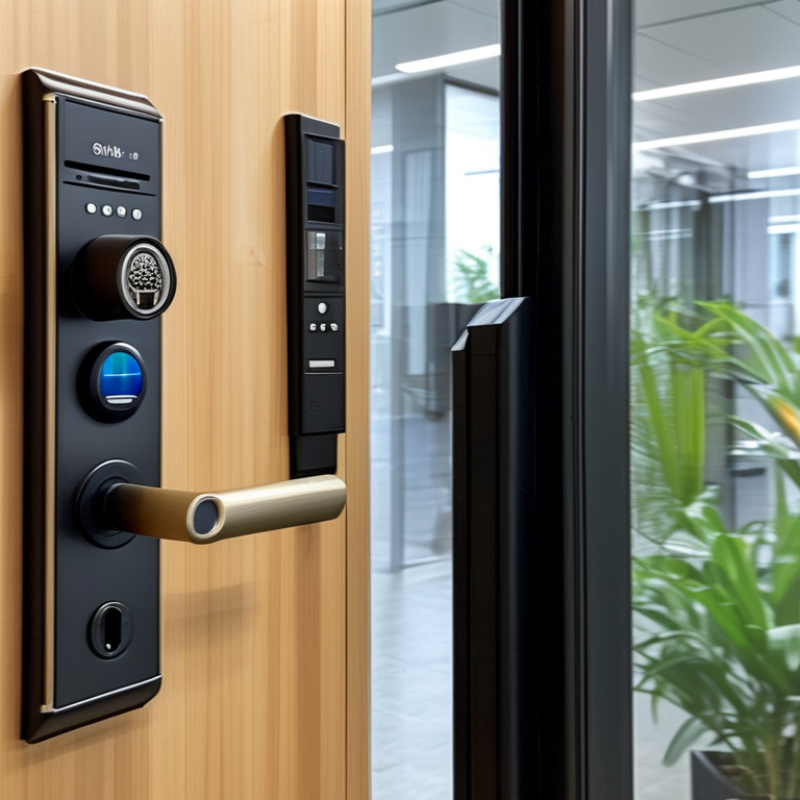
2026 Top Access Control Methods for Offices Which is Best?

Overview of Access Control Methods for Offices

Access control methods for offices play a crucial role in maintaining security. With evolving technologies, organizations face new challenges each day. The primary goal is to ensure that only authorized individuals can access sensitive areas. While physical keys are traditional, their limitations include loss and duplication risks. Many offices are now considering digital access systems.

Keypad entry systems are popular. They allow employees to enter codes, which can be easily changed. However, these can be shared among individuals, leading to potential security breaches. Biometric systems offer another layer of security by using unique traits like fingerprints or facial recognition. While this method provides precision, it can sometimes face technical difficulties or user aversion.

Another method is smart card access. These cards are convenient but can be misplaced or stolen. Remote access control systems are gaining traction, allowing managers to monitor and manage access from afar. Yet, reliance on technology means susceptibility to hacking. Balancing convenience and security remains a challenge for many offices. Regular assessments of access control methods are essential to ensure optimal protection.

Key Considerations When Choosing Access Control Systems

When selecting an access control system for offices, several key considerations must be addressed. One primary factor is the level of security required. According to a report by the Security Industry Association, nearly 67% of businesses experience security breaches annually. This highlights the importance of choosing a robust system. Systems that offer multi-factor authentication, biometric recognition, or smart card technology should be preferred in high-security environments. These methods significantly reduce unauthorized access risks.

Another critical aspect to consider is the scalability of the system. As businesses grow, their access needs may change. A study by MarketsandMarkets identifies that the access control market is projected to grow by 8.3% from 2021 to 2026. Implementing a scalable solution is vital to accommodate future expansion without discontinuity. Flexibility in the system also allows for potential integration with existing technologies, adding to the system’s value.

User experience cannot be overlooked. Systems should be intuitive, minimizing the learning curve for employees. An overly complex system may lead to potential mistakes and frustration. The delicate balance between stringent security and user accessibility is essential. Continuously assessing the system’s performance and user feedback will contribute to a more effective security environment in the long run.

Comparative Analysis of Biometric Access Control Technologies

Biometric access control technologies have become increasingly popular in office environments. These systems use unique biological traits for identification, like fingerprints or facial recognition. They offer a high level of security because biometrics are difficult to replicate. However, their implementation comes with challenges.

While biometric systems enhance security, they may raise privacy concerns among employees. Individuals often feel uneasy about their biometric data being stored. Moreover, system reliability can be an issue. False rejections can occur, leading to frustration. Organizations must ensure their systems are well-calibrated to minimize these issues.

Another consideration is the integration of biometric solutions with existing security infrastructure. When introducing new technologies, compatibility can be a hurdle. This can lead to increased costs and time spent on training staff. Companies must weigh the benefits against these potential drawbacks. Open discussions and transparent policies can help bridge the gap between security needs and employee comfort.

2026 Top Access Control Methods for Offices Which is Best? - Comparative Analysis of Biometric Access Control Technologies

Access Control Method Security Level Cost per Unit User Convenience Integration Capability
Fingerprint Recognition High $100 Moderate Good
Facial Recognition Very High $250 High Excellent
Iris Recognition Very High $300 Moderate Good
Voice Recognition Moderate $150 High Fair
Palm Vein Recognition High $200 Moderate Good

The Role of Keycard Systems in Modern Office Security

Keycard systems have transformed modern office security. These systems offer a reliable way to manage access. Employees carry cards that grant entry to restricted areas. This technology reduces unauthorized access risks significantly. With only one access point, monitoring is easier. It creates a clear record of who enters and exits.

The simplicity of keycard systems is appealing. They are user-friendly, requiring minimal training. Staff can easily tap their cards on a reader. However, issues can arise. Lost or stolen cards pose security challenges. Organizations should have protocols in place to deactivate lost cards quickly. Regular updates to access permissions are crucial.

Despite their effectiveness, keycard systems aren't foolproof. They rely on technology, which can fail. When systems crash, access is affected. Backup plans, like physical keys, should also be considered. It's vital to evaluate every access control option critically. Balancing convenience and security is key for any office environment.

2026 Access Control Methods Comparison

Emerging Trends in Access Control for Future Workspaces

Emerging trends in access control for future workspaces highlight a shift toward integrated and data-driven solutions. According to a recent report by Security Industry Association, 65% of organizations plan to adopt cloud-based access control systems by 2026. This move reflects the growing need for flexibility and real-time monitoring in office environments.

Smart technologies are gaining traction, with biometric systems leading the way. A study by MarketsandMarkets indicates that the biometric access control market is projected to grow at a compound annual growth rate (CAGR) of over 18% from 2023 to 2028. This increases not just security but also user convenience. However, the reliance on technology raises questions about privacy and data security. Are organizations prepared to handle potential breaches?

Hybrid solutions combining physical and digital security elements are becoming popular. Enterprises are starting to use mobile access credentials alongside traditional systems to streamline entry. While this approach enhances efficiency, it also creates challenges. Organizations must continually evaluate their strategies to stay ahead. Balancing security, user experience, and privacy in an ever-evolving landscape is no small feat.

FAQS

: What are keycard systems used for in offices?

: Keycard systems manage access to restricted areas, reducing unauthorized entry.

How do employees use keycard systems?

Employees tap their cards on a reader to gain access.

What happens if a keycard is lost or stolen?

Lost cards can create security risks. Organizations need to deactivate them promptly.

Are keycard systems completely secure?

No, they can fail. Backup options, like physical keys, are recommended.

What is a growing trend in access control?

There’s a shift toward integrated, cloud-based access control systems.

How are biometric systems changing access control?

Biometric systems enhance security and user convenience but raise privacy concerns.

What challenges do hybrid solutions present?

Hybrid solutions improve efficiency but require constant strategy evaluation.

Why is real-time monitoring important?

Real-time monitoring enables flexibility and enhances overall office security.

What should organizations consider with new technologies?

Organizations must assess privacy and data security risks with new tech.

How important is the balance between security and user experience?

It's crucial. Balancing both ensures overall effectiveness in access control strategies.

Conclusion

In the quest to determine what is the best access control method for offices, a comprehensive overview of available strategies highlights the importance of security and efficiency in modern workspaces. Key considerations include the specific needs of the organization, budget constraints, and the level of security required.

A comparative analysis of biometric access control technologies reveals their advantages in terms of accuracy and reduced risk of unauthorized access. Additionally, the role of keycard systems remains significant, providing a balance between convenience and security. Emerging trends suggest a shift towards more integrated systems that utilize advanced technologies, ensuring that office environments are not only secure but also adaptable to future needs. Through careful evaluation, organizations can select access control systems that best fit their unique requirements.

Aria

Aria

Aria is a dedicated marketing professional with a deep passion for innovative strategies and a keen understanding of our company's product offerings. With a wealth of experience in the industry, Aria excels at crafting engaging content that highlights the unique features and benefits of our......