Smart security systems have become increasingly popular in recent years. Homeowners and businesses are recognizing their value. But how well do we understand them? Many ask, "what are the benefits of smart security systems?"
These systems offer real-time monitoring and alerts, enhancing safety. Users can access live feeds through smartphones. This convenience allows for quick responses to potential threats. Additionally, smart locks and sensors streamline access control. But it's essential to evaluate their effectiveness critically. Are we relying too much on technology?
Moreover, while smart security systems provide numerous advantages, they also come with challenges. Cybersecurity risks can make users vulnerable if systems are not adequately protected. Therefore, understanding both benefits and drawbacks is crucial. Smart security systems can offer peace of mind, but a thorough evaluation is necessary for informed decisions.
Understanding Smart Security Systems: Definition and Features
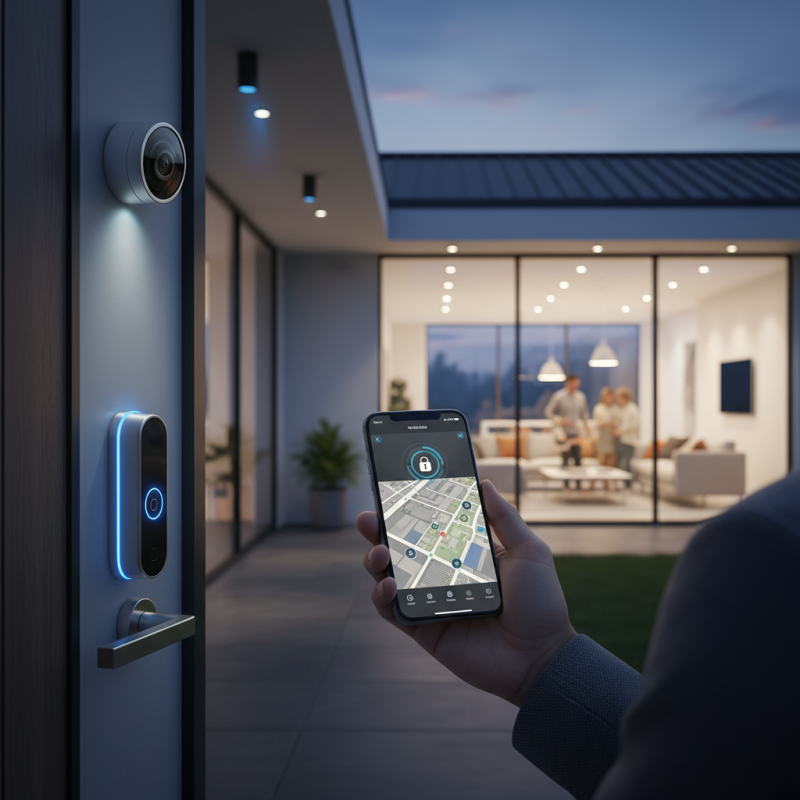
Smart security systems have revolutionized the way we protect our homes and businesses. These systems offer advanced features that enhance safety and convenience. Common elements include smart cameras, motion sensors, and alarms. These devices connect to the internet, providing real-time alerts and monitoring via smartphones.
Understanding the functionality of smart security systems is essential. For instance, smart cameras can capture high-definition footage and send alerts when movement is detected. This immediacy offers peace of mind. However, many users struggle with the initial setup and configuration. Technical issues can arise, leading to frustration. It’s important to consider the learning curve associated with these systems.
Moreover, smart security systems can integrate with other smart home devices. This can streamline daily routines and increase security. Imagine controlling your lock, lights, and cameras from a single app. But integration challenges can occur. Not all devices work seamlessly together. This inconsistency can lead to gaps in security. Therefore, understanding compatibility and user experience is crucial for effective implementation.
Key Benefits of Smart Security Systems for Homes and Businesses
Smart security systems offer significant advantages for both homes and businesses. One major benefit is enhanced surveillance. With cameras strategically placed, property owners can monitor activities in real time. This ongoing vigilance deters potential intruders. Additionally, many systems include motion detection features. If any unusual activity occurs, alerts are sent immediately to the owner’s phone. This capability ensures quick action can be taken in emergencies.
Another key advantage is remote accessibility. Homeowners and business managers can access their security systems from anywhere. This flexibility provides peace of mind, especially when traveling. Users can adjust settings, view video feeds, and even control locks. Furthermore, many smart systems integrate with smart home devices. This creates a more cohesive security environment. However, this integration may complicate initial setup. A learning curve exists for many users.
Data privacy remains a concern for many individuals. It’s crucial to choose systems that prioritize encryption and secure data storage. Users should perform due diligence and verify the security measures in place. While smart security systems offer numerous benefits, awareness of potential vulnerabilities is essential. This understanding fosters informed decisions and safer environments.
Comparing Smart Security Systems with Traditional Security Options
Smart security systems are transforming how we protect our homes and businesses. Unlike traditional options, these systems offer real-time monitoring through mobile apps and smart devices. This allows users to respond instantly to potential threats. Traditional security relies heavily on alarm systems and physical presence. While effective, they often lack the immediacy that smart technology provides.
Smart systems offer various features like motion detection, video surveillance, and remote access. These elements can create a more comprehensive security approach. However, some may argue that dependence on technology can lead to vulnerabilities. For instance, if a system is hacked, it could compromise security. Nonetheless, the rapid responsiveness of smart systems often outweighs these concerns.
Additionally, installation and maintenance can be challenging for some users. Not everyone is comfortable navigating new technology. This is a crucial aspect to consider when choosing a security solution. Ultimately, smart security blends innovation with usability, but ongoing education about these systems is essential for optimal performance.
Factors to Consider When Choosing Smart Security Systems
When selecting a smart security system, several key factors require careful consideration. A report by MarketsandMarkets indicates that the global smart security market is expected to reach $82 billion by 2025. This growth reflects the increasing importance of choosing the right system. Key aspects include integration capabilities, scalability, and user-friendliness. The right system should seamlessly integrate with existing devices. Moreover, the ability to scale as needs change is crucial for both homes and businesses.
Another important factor is data privacy. The rise of smart technology has introduced new vulnerabilities. A study by Symantec found that 60% of security breaches resulted from weak passwords and poor data management. Potential users should critically assess the system's data encryption standards and privacy policies. Engaging with user reviews on platforms and forums can provide insights, but not all feedback is accurate or helpful.
Cost is also a vital consideration. While higher-priced systems often offer advanced features, cheaper options may meet basic security needs. Understanding the total cost of ownership, including installation and maintenance, can help inform your choice. It is essential to reflect on the long-term benefits versus the initial investment.
Future Trends in Smart Security Technology and Its Implications
The rise of smart security technology is reshaping how we perceive safety at home and in businesses. These systems utilize interconnected devices that offer real-time monitoring and alerts. For instance, smart cameras can recognize familiar faces and even track movement patterns. However, this technology isn't foolproof. Issues like data privacy and system vulnerabilities can arise, leaving some users with more questions than answers.
Future trends in smart security emphasize increased automation and AI-driven analytics. Systems may soon predict potential threats by analyzing behavior over time. Imagine a security camera that learns the normal patterns of a family and alerts them when something unusual occurs. Yet, this reliance on technology raises concerns about over-dependence. Users might mistakenly trust their devices completely, leading to complacency in personal security measures. As these technologies evolve, users must remain vigilant and informed about their limitations and risks.
2026 How to Understand the Benefits of Smart Security Systems? - Future Trends in Smart Security Technology and Its Implications
| Feature |
Description |
Benefits |
Future Trends |
| Remote Monitoring |
Allows users to monitor their property remotely through smartphones and computers. |
Enhances peace of mind and increases proactive responses to incidents. |
Integration with AI for intelligent alerts and predictive analysis. |
| Smart Lock Systems |
Keyless entry systems that can be controlled via smartphones. |
Convenience and increased security by eliminating physical keys. |
Integration with home automation systems for seamless access control. |
| Surveillance Cameras |
Cameras with real-time feeds accessible via mobile devices. |
Deterrence of crime and collection of evidence. |
Use of facial recognition technology and advanced analytics. |
| Alarm Systems |
Alerts users about breaches or unusual activities. |
Immediate notification leads to rapid response in security threats. |
Integration with local law enforcement and smart home ecosystem. |
| Environmental Monitoring |
Sensors that detect smoke, carbon monoxide, and flooding. |
Prevention of disasters and enhanced safety for residents. |
Increased interconnectivity with home alert systems. |
FAQS
: Smart security systems offer enhanced surveillance, real-time monitoring, and motion detection alerts for emergencies.
Users can access their systems from anywhere, adjusting settings and viewing feeds through mobile apps.
Yes, they can be challenging due to the integration with other smart devices and a learning curve.
Look for systems that prioritize encryption and secure data storage to protect your information.
Smart systems provide instant responses and real-time monitoring, unlike traditional systems reliant on alarms.
Dependence on technology may lead to risks, such as hacking, compromising overall security.
Reviews can provide insights, but not all feedback is accurate, so critical assessment is necessary.
Understanding both initial and long-term costs helps evaluate the value and features offered by the systems.
Scalability allows systems to grow with your needs, while integration ensures compatibility with existing devices.
Continuous learning about system features helps users optimize performance and respond effectively to threats.
Conclusion
Smart security systems represent an evolution in safeguarding homes and businesses, characterized by their advanced features that enhance safety and convenience. These systems offer numerous benefits, including real-time monitoring, remote access, and integration with smart home devices, which provide users with unparalleled control and peace of mind. One of the critical inquiries surrounding this technology is, "what are the benefits of smart security systems?" Understanding their advantages reveals how they surpass traditional security options by offering customizable solutions that adapt to individual needs, improving overall security.
When choosing a smart security system, several factors come into play, such as budget, scalability, and technological compatibility. As the industry evolves, future trends indicate a further integration of artificial intelligence and machine learning to enhance threat detection and response times. Ultimately, grasping the features and benefits of smart security systems is essential for making informed decisions that ensure the safety and security of both residential and commercial spaces.

 KBM Living