How to Upgrade Your Traditional Door Systems to Smart Solutions?

Time:2026-05-25 Author:Isabella
0%

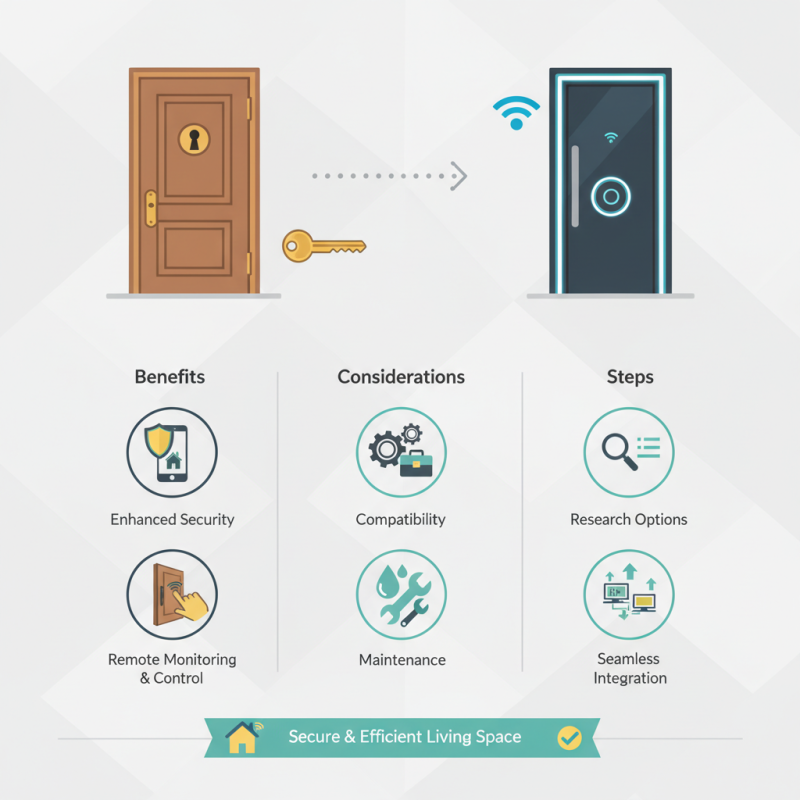
In today's fast-paced world, many homeowners seek efficiency and convenience. A traditional door system may no longer meet modern demands. This shift leads to the question of how to upgrade traditional door systems to smart solutions. Integrating technology into door systems enhances security and user control.

Smart door solutions offer features like keyless entry, remote monitoring, and integration with home automation. These enhancements provide safety and convenience. However, the transition can pose challenges. Homeowners must consider compatibility, installation, and ongoing maintenance.

Researching various smart door options can be overwhelming. It's crucial to identify which features best meet your needs. Some may find that certain technologies are too complex. The goal should be seamless functionality and practicality. By thoughtfully considering how to upgrade traditional door systems to smart solutions, homeowners can create a secure and efficient living space.
How to Upgrade Your Traditional Door Systems to Smart Solutions?

Understanding Traditional Door Systems and Their Limitations

Traditional door systems have served us for decades, but they come with inherent limitations. These systems typically rely on physical keys, making them vulnerable to loss or theft. A misplaced key can lead to security breaches, creating an ongoing risk for homeowners and businesses alike.

Moreover, traditional locks are not designed for convenience. Each time you enter or exit, fumbling for keys can become frustrating. If you’re carrying groceries or juggling tasks, this inconvenience can disrupt daily life. With fixed access points, controlling who enters your space becomes a hassle. You might have to create duplicate keys for family, friends, or service personnel, and this can lead to unauthorized access.

Maintenance is another issue. Older systems may require frequent repairs as they wear down. Weather conditions can further impact door functionality, leading to sticking or jamming. These problems are often overlooked until they become urgent. Rethinking these limitations is vital. Transitioning to smart solutions can address security, convenience, and maintenance concerns effectively.

Exploring Smart Door Solution Technologies and Features

As homes evolve, smart door solutions emerge as a vital upgrade. These technologies enhance security and convenience. Smart locks, video doorbells, and remote monitoring systems are popular features. They allow homeowners to manage access effectively.

One important aspect of smart doors is their ease of use. Many systems integrate with smartphones. This lets you control your door from anywhere. However, ensure that your Wi-Fi signal is strong. Weak signals can lead to frustration when accessing these systems.

Consider also the aesthetics of your door. Smart systems come in various styles. Some look like traditional locks while others boast modern designs. Think about how the new features will blend with your home’s style.

When upgrading, remember that technology is not infallible. Software glitches and connectivity issues can occur. Always have a backup plan, like a traditional key, just in case. Embrace innovation, but acknowledge these imperfections.

Smart Door Solution Technologies Adoption Rate

Step-by-Step Guide to Choosing the Right Smart Door Products

Upgrading to smart door solutions is an evolving trend. According to a recent market report, the smart door lock market alone is expected to grow by 21% annually. This data highlights growing consumer interest in home automation and security. When selecting smart door products, consider various factors, such as ease of installation, compatibility with existing systems, and overall security features.

Start by evaluating the types of smart products available. Keyless entry systems are quite popular, providing both convenience and enhanced security. However, not all keyless systems are created equal. Some may have vulnerabilities that can be exploited. Look for products with robust encryption and updates. Reading user reviews can help gauge reliability. A study found that 40% of consumers express concerns about the security of these devices. So, prioritize options that offer strong security protocols.

Next, consider compatibility with smart home ecosystems. Many consumers struggle to integrate devices. Ensuring your new product works seamlessly with existing devices is crucial. It's also worth reflecting on your actual needs. Not everyone requires high-tech features. Sometimes, a simple upgrade can suffice. Keep your goals in mind to avoid unnecessary expenses. Focus on long-term usability over short-lived trends.

Installation Process for Upgrading to Smart Door Systems

Upgrading to smart door systems can significantly enhance your home’s security and convenience. The installation process involves several key steps, ensuring a smooth transition from traditional systems. First, assess your existing door structure. Make sure it can accommodate smart locks and other components. Measure your door’s thickness and style, as not all systems fit every type.

Next, gather the necessary tools and materials. You will typically need a screwdriver, an electric drill, and a level. Carefully remove your old lock and hardware. This step might seem straightforward, but watch for hidden fasteners. It’s easy to miss something, leading to frustration later on.

Once the old system is removed, you can begin installing the smart lock. Follow the manufacturer’s guidelines closely. Attach the new smart lock, ensuring it aligns correctly with the door. After installation, test the lock's operation before finalizing the setup.

A misaligned door can cause issues, so make adjustments if necessary. Once you’re satisfied, connect it to your home network. This is crucial for remote access and monitoring.

Take your time with each step to avoid mistakes. Doing it right ensures long-term reliability and satisfaction with your smart door system.

Maintaining and Troubleshooting Your New Smart Door Solutions

When transitioning to smart door solutions, maintenance and troubleshooting become crucial. As smart home technology evolves, homeowners face new challenges. A recent report indicates that 30% of users experience connectivity issues with their smart door systems. These issues often stem from inadequate Wi-Fi coverage or outdated firmware.

Regularly updating the firmware is essential for optimal performance. This can significantly reduce the chances of malfunction. Furthermore, physical parts, such as batteries or sensors, may require periodic checks. A study found that 25% of users reported battery failures within the first year. Users often neglect to monitor battery life until the door fails to operate.

Troubleshooting can also involve simple resets. Many users overlook this easy step when problems arise. For those unfamiliar with technology, user manuals can seem daunting. Fortunately, online guides and community forums provide accessible support. Engaging with these resources can enhance user understanding. Solving problems proactively may prevent larger issues down the line.

FAQS

: What are smart door solutions?

: Smart door solutions include technologies like smart locks and video doorbells. They enhance security and convenience for homeowners.

How can I control my smart door system?

Most smart door systems connect to smartphones. This allows control of the door from virtually anywhere, but Wi-Fi strength matters.

Are smart door systems easy to install?

Installation can be straightforward but requires careful assessment of your door and proper tools. Hidden fasteners may complicate the process.

What tools do I need for installation?

Essential tools include a screwdriver, electric drill, and level. Gather these before starting to ensure a smooth installation.

What if my smart lock malfunctions?

Technology can fail. Always have a backup door key handy to avoid being locked out in case of issues with your smart lock.

Can I choose the style of my smart door system?

Yes, smart door systems come in various designs. Consider how the new features will blend with your home’s existing style.

What should I check before installation?

Assess your door's structure and measure its thickness. Not all smart locks fit every door type, so compatibility is crucial.

How do I ensure my smart lock works properly?

Follow the manufacturer’s guidelines closely during installation. Test the lock's operation before finalizing the setup to avoid issues later.

Why is Wi-Fi strength important for smart doors?

A strong Wi-Fi signal is essential for remote access. Weak signals can lead to frustration and hinder the system’s performance.

What common mistakes should I avoid during installation?

Missing hidden fasteners or misaligning the lock can cause problems. Take your time to prevent these issues and ensure satisfaction.

Conclusion

Upgrading traditional door systems to smart solutions offers enhanced security, convenience, and user control. To understand how to upgrade traditional door systems to smart solutions, one must first recognize the limitations of conventional setups, such as lack of automation and monitoring capabilities. This guide explores various smart door technologies and their features, aiding in the selection of the right products.

A step-by-step installation process is provided, ensuring a smooth transition from traditional to smart systems. Additionally, maintaining and troubleshooting these new systems is crucial for long-term efficiency. By following these guidelines, homeowners can enhance their entryway experience while embracing modern technology.

Isabella

Isabella

Isabella is a dedicated marketing professional with a sharp focus on driving brand growth and engagement through strategic content creation. With an extensive background in digital marketing, she combines her passion for storytelling with her keen understanding of industry trends to deliver......