Residential security depends on more than a sturdy front door. It also relies on everyday habits, clear procedures, and well-maintained shared spaces. A propped-open entrance, a burnt-out corridor light, or an unclear visitor process can weaken otherwise sensible protections. The risks vary between buildings, too: a small block with a rear parking area faces different concerns from a high-rise with several entrances. Effective planning starts with observing how people actually use the property, not simply adding equipment. No checklist is flawless. Residents and managers should review what works and what feels inconvenient.
This guide explores ten practical ways to strengthen residential building security, from improving entry controls and lighting to maintaining cameras and communicating with residents. It also considers staff training, visitor management, and routine checks of doors, gates, and shared areas. If you are assessing how to reduce security risks in residential buildings, start with specific weak points and choose measures that fit the building, its residents, and its daily routines. Technology can help, but it needs upkeep and clear expectations. A camera that is poorly positioned, for example, may offer less useful coverage than managers assume. Security measures should support residents without creating unnecessary barriers or promising complete protection. Some details may be overlooked at first; regular feedback can reveal them.
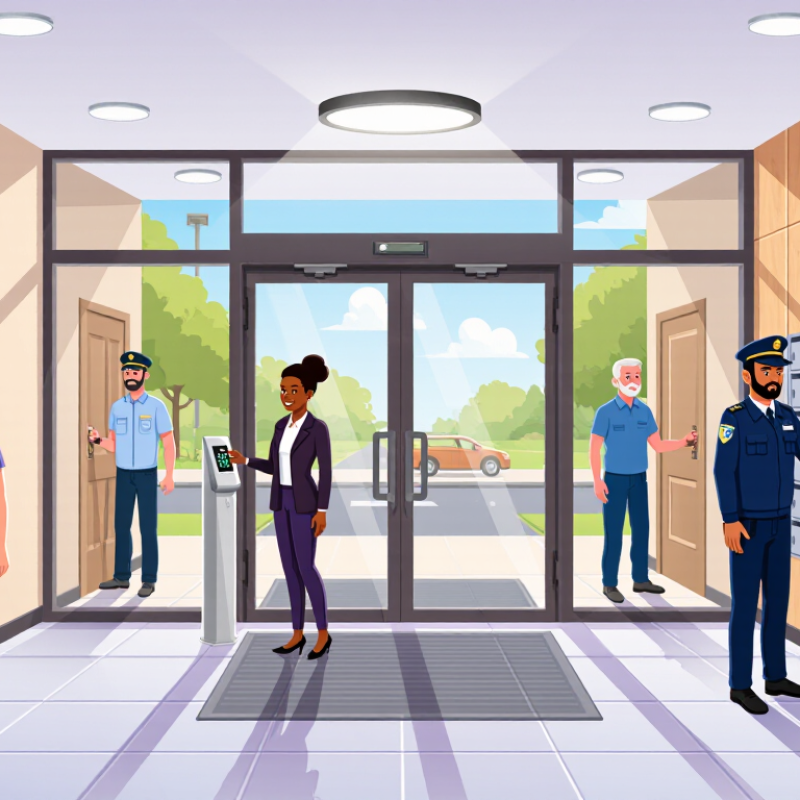
The FBI estimated 1,117,696 burglaries in the United States in 2023—about 3,062 each day. That figure comes from Crime in the United States, 2023, and describes offenses known to law enforcement. It is a national measure, not a prediction for any one apartment or street. The Bureau of Justice Statistics’ Criminal Victimization, 2023 report offers a useful counterpoint: its household survey captures victimization that may never be reported to police. Together, these reports show why a single national number cannot tell residents exactly where risk is highest.
Start with the ordinary entry points: the side door, a ground-floor window, or the garage door left unsecured during a quick errand. Fit working deadbolts, reinforce door strike plates, and check that window locks close fully. Small gaps matter. Add motion-activated lighting near entrances and keep shared hallways clear enough for residents to notice unusual activity. A camera may support awareness, but it cannot secure a weak latch. That deserves honest reflection. Security upgrades should match the building’s actual layout, residents’ routines, and maintenance limits; a checklist alone can create false confidence. Regularly test locks and lighting, and agree on a simple way for neighbors or building staff to report concerns.
National context: The FBI estimated 1,117,696 burglary offenses in the United States in 2023—about 1.12 million. This is a nationwide burglary count, not a count limited to residential buildings.
| # | Risk-Reduction Measure | Risk Addressed | Practical Action | How to Track Completion |
|---|---|---|---|---|
| 1 | Conduct a building security assessment | Unidentified weaknesses and inconsistent security practices | Review entry points, shared areas, lighting, access procedures, prior incidents, and resident concerns. Prioritize actions according to the building’s layout and local conditions. | Keep a dated assessment, action list, assigned owner, and review date. |
| 2 | Strengthen exterior doors and frames | Unauthorized entry through building or unit doors | Maintain sound doors, frames, hinges, and locks. Have damaged or poorly fitting hardware inspected and repaired by a qualified professional. | Record inspection date and unresolved repairs for each exterior and shared-entry door. |
| 3 | Secure windows and accessible openings | Entry through ground-level or otherwise accessible windows and doors | Check that windows and balcony or patio doors close and lock properly. Use suitable secondary security devices where they do not interfere with emergency escape. | Use a periodic checklist covering accessible windows and doors; document defects and repairs. |
| 4 | Manage shared-entry access | Unverified access to lobbies, corridors, and other resident areas | Set clear access procedures, promptly remove lost or outdated credentials, and remind residents not to let unknown visitors follow them into secured areas. | Review access permissions on a scheduled basis and log credential changes and reported access issues. |
| 5 | Establish visitor and delivery procedures | Entry based on unverified visitor claims or unsecured deliveries | Provide residents and staff with a consistent process for confirming visitors. Designate appropriate delivery locations and avoid sharing access credentials. | Post and periodically review written procedures; log recurring access or delivery concerns. |
| 6 | Maintain lighting in entrances and common areas | Poor visibility around approaches, entrances, and shared spaces | Inspect lighting in entrances, walkways, parking areas, and other shared spaces. Repair outages and keep fixtures clear and operational. | Maintain a lighting inspection log with dates, locations, and repair status. |
| 7 | Keep common areas and sightlines orderly | Obstructed views and neglected areas that make security issues harder to notice | Maintain entrances, hallways, landscaping, and storage areas so access routes remain clear and staff or residents can readily notice problems. | Include shared-area condition checks in routine property inspections. |
| 8 | Protect garages, storage rooms, and secondary access points | Unauthorized access through less frequently monitored areas | Keep doors closed and secured, limit access to authorized users, and include garages, storage rooms, and service entrances in routine checks. | Maintain an inventory of access points and record inspection or repair dates. |
| 9 | Build resident awareness and reporting habits | Delayed reporting of damaged locks, suspicious activity, or access concerns | Share simple guidance on securing doors and windows, protecting access credentials, and reporting urgent concerns through appropriate channels. | Track resident notices or briefings and keep reporting instructions easy to find. |
| 10 | Prepare an incident response and maintenance plan | Slow response to security incidents and recurring equipment failures | Set out who residents should contact, how incidents are documented, and how urgent repairs are escalated. Coordinate emergency response with local authorities when needed. | Maintain an incident and repair log, review recurring issues, and update the plan after significant incidents. |
Source and interpretation: FBI, Crime in the United States 2023, Burglary offense estimates. The FBI figure provides national context; it does not estimate the risk or effectiveness of any particular security measure at an individual building.
The estimate was 1,117,696, or about 3,062 per day. It is a national figure, not a prediction for one home or street.
No. It counts offenses known to authorities and cannot identify risk for a specific building. Household surveys can also capture incidents never reported.
Check side doors, ground-floor windows, and garage doors. Make sure each is closed and locked, even during a quick errand. Small gaps matter.
Check the deadbolt, strike plate, hinges, and frame. The bolt should extend fully, and the door should close without force.
No. Confirm the grade applies to that specific product and use. Loose screws or a split frame can still weaken a door.
Inspect them twice a year. Tighten loose fasteners, test each lock, and look for damaged wood around frames.
No. A camera may help residents notice activity, but it cannot secure a weak latch. Installation matters.
Add motion-activated lighting near entrances and keep shared hallways clear. Agree on a simple way to report concerns. A checklist can feel reassuring, yet miss the building’s real weak points.
Reducing residential security risks begins with understanding the scale of the problem: the FBI reported about 1.12 million burglaries in the United States in 2023. Homeowners can use that context to assess vulnerabilities, then strengthen entry points with durable doors, secure window fittings, and hardware tested to recognized ANSI/BHMA grades. Applying Crime Prevention Through Environmental Design principles can also improve visibility around entrances, reduce hidden areas, and make access easier to monitor.
A layered approach combines physical improvements with reliable detection. Install and maintain intrusion alarms and smoke detectors; NFPA reporting indicates that working smoke alarms are associated with a 60% lower rate of death in reported home fires. For connected locks and cameras, follow NISTIR 8259A IoT security guidance by changing default credentials, applying updates, and limiting unnecessary network access. Together, these practical steps offer a clear framework for how to reduce security risks in residential buildings while improving safety and resilience.

 KBM Living