When exploring home security, one question often arises: what is the difference between wired and wireless door systems? Each type of system has its strengths and weaknesses. Wired door systems require physical connections and can offer stability and reliability. They are often less susceptible to interference. However, installation can be complex and costly.
On the other hand, wireless door systems provide flexibility and ease of installation. They can be set up quickly and often integrate easily with smart home devices. Yet, they may face interference and rely on battery life. This makes them potentially less reliable over time.
Understanding these differences is crucial for making an informed decision. By weighing the pros and cons of each system, homeowners can better assess their unique security needs. This comparison not only impacts safety but also influences budget and long-term maintenance. Ultimately, considering these aspects can lead to a more effective security solution.
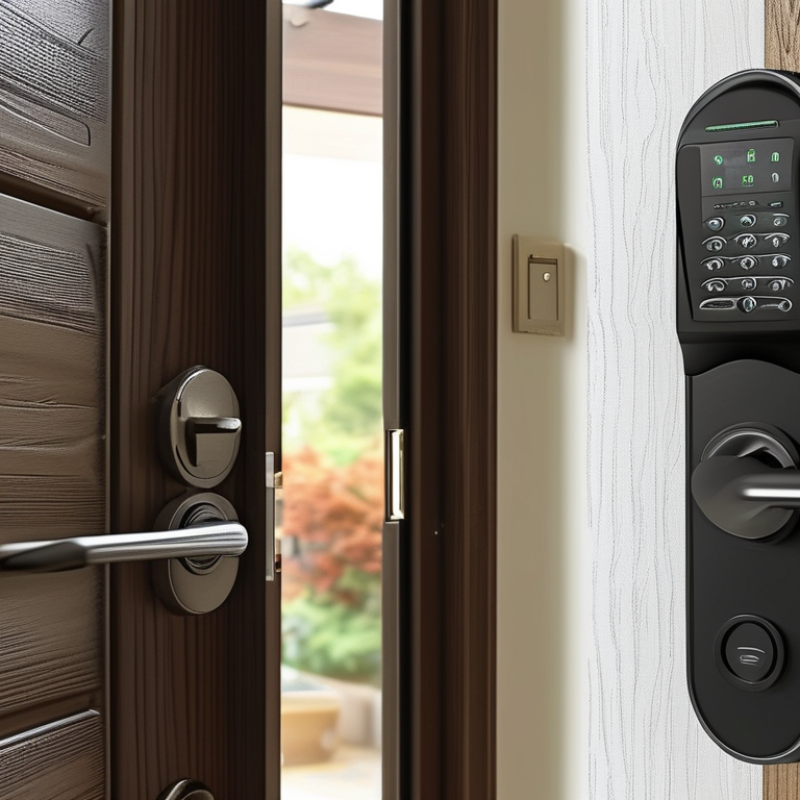
Overview of Wired Door Systems: Features and Functionality
Wired door systems are widely recognized for their reliability and security.
These systems use physical cables for communication, often resulting in stable connections. According to a recent industry report, wired systems reduce latency issues significantly when compared to their wireless counterparts. This can be critical in high-security environments where timely responses are essential.
Users benefit from clear features typical of wired door systems. They tend to offer higher data transfer rates. Many wired systems can integrate with existing infrastructure, making upgrades more manageable. Maintenance, however, can be a challenge. Professionals often need to check for cable wear and tear. This involves careful screening and potential rewiring, which isn't always straightforward.
Though wired systems provide stability, they are not flawless. Installation can be complicated, often necessitating specialized skills. Furthermore, if damage occurs to the cables, complete system failure may result. While providing durability, these systems may also require more extensive planning during both installation and upgrades. Balancing these advantages against the drawbacks can often lead to valuable insights for potential users.
Advantages of Wired Door Systems Over Wireless Alternatives
Wired door systems offer several advantages compared to their wireless counterparts. One key benefit is the reliability of a physical connection.
Wired systems are less susceptible to interference. This ensures consistent performance, especially in high-traffic areas. You won’t have to worry about signal loss or dead zones.
Moreover, wired systems often provide enhanced security. They are less vulnerable to hacking than wireless systems. A physical connection means a more robust defense against unauthorized access.
Additionally, installation can be straightforward in new constructions. You can plan the wiring during the building phase, making it a seamless inclusion.
Cost can be a factor too. Although initial setup might be more expensive, long-term maintenance often favors wired systems. Fewer components mean fewer points of failure. This is a reflection of reliability in the long run.
However, they can be less flexible. Retrofitting a wired system in an existing building can be challenging and costly. Decisions should weigh these pros and cons.
Introduction to Wireless Door Systems: Key Characteristics
Wireless door systems have become a popular choice for modern security solutions. They use radio frequency technology to communicate with control panels. The key characteristic of these systems is their flexibility in installation. Without the need for extensive wiring, they can be set up in various locations. This makes them ideal for existing structures where retrofitting can be costly.
Security is a major concern with any door system. Wireless systems are designed with encryption protocols to protect communication. However, the reliance on battery power can lead to potential vulnerabilities. If batteries are not monitored or replaced, security measures might be compromised. Users must ensure regular maintenance to retain security integrity.
Another advantage of wireless door systems is real-time monitoring capabilities. Many systems allow remote access through mobile apps. This feature provides users with convenience and peace of mind. Yet, some may struggle with the technology. Understanding how to use these systems effectively can take time.
In summary, while wireless door systems offer key benefits, users must remain vigilant. Understanding their strengths and weaknesses is essential for optimal use.
Comparative Analysis: Strengths and Weaknesses of Each System
When comparing wired and wireless door systems, it's essential to weigh their strengths and weaknesses. Wired systems are known for their reliability and consistent performance. They typically feature robust connections that minimize the risk of signal interference. According to a 2023 industry report, wired door systems experience less than 5% downtime due to connectivity issues, which can be crucial for security.
On the other hand, wireless door systems offer flexibility and ease of installation. They eliminate the need for extensive wiring, making them ideal for retrofitting in older buildings. A recent study showed that 70% of users prefer wireless systems for their convenience. However, these systems can be susceptible to interference from other devices, leading to potential security vulnerabilities.
Tip: When choosing a door system, assess your building's needs carefully. If consistent performance is paramount, a wired system may be the better option. If flexibility is vital, consider a high-quality wireless solution.
Wireless systems require regular battery checks and updates to stay secure. This maintenance could be overlooked, raising concerns about their reliability. It's essential to create a routine for checking these devices to avoid unexpected failures.
Difference Between Wired and Wireless Door Systems Explained
| Feature |
Wired Door Systems |
Wireless Door Systems |
| Installation Complexity |
High — Requires professional installation and wiring |
Low — Can be installed without professional help |
| Reliability |
Very Reliable — Less interference from external factors |
Moderate — May experience interference or connectivity issues |
| Cost |
Typically Higher — Due to installation and materials |
Generally Lower — Easier installation reduces costs |
| Maintenance |
Moderate — Requires checking wiring and components |
Low — Minimal maintenance required |
| Range |
Limited to physical distance of wiring |
Wider Range — Dependent on signal strength |
| Aesthetics |
Less Flexible — Wires can be unsightly |
More Flexible — No visible wiring |
| Scalability |
Difficult — Expanding requires new wiring |
Easy — New devices can be added effortlessly |
Choosing the Right Door System for Your Security Needs
When choosing a door system, understanding whether to opt for a wired or wireless model is crucial. Wired systems often provide robust security through hardwired connections. However, installation can be complex and may require professional assistance. According to a report from the Security Industry Association, around 75% of businesses prefer wired systems for their reliability. Yet, this may not always be the best choice for every situation.
Wireless systems offer flexibility and ease of installation. They can be particularly appealing to residential users who want to avoid extensive wiring. In fact, studies indicate that about 60% of homeowners choose wireless options due to their convenience and scalability. Nonetheless, wireless systems may face interference issues, which can lead to vulnerabilities. Users should consider their specific environment before making a decision.
**Tips:** Evaluate your property's layout. If it’s large, wired might be better. Consider your technical skills for installation. Remember, both systems have unique pros and cons. Prioritize your security needs above all.
FAQS
: Wired door systems provide a reliable physical connection. This reduces the risk of interference and signal loss.
Wired systems are less vulnerable to hacking. A physical connection helps prevent unauthorized access effectively.
Installation can be straightforward in new constructions. Planning wiring during building phases makes it easier.
Yes, long-term maintenance tends to favor wired systems. Fewer components can lead to lower long-term costs.
Retrofitting a wired system can be challenging. This process may also incur high costs.
Wireless systems offer flexibility in installation. They can be set up without extensive wiring.
Wireless systems use encryption protocols. However, battery reliance can create vulnerabilities if not managed properly.
Real-time monitoring and remote access create convenience. Users gain peace of mind with mobile app control.
Some users may struggle with understanding the technology. Learning to use these systems effectively can take time.
Regular maintenance is crucial to maintaining security. Users need to stay vigilant to ensure system integrity.
Conclusion
The article "Difference Between Wired and Wireless Door Systems Explained" provides a comprehensive overview of two types of door security systems. It begins by detailing wired door systems, highlighting their key features and functionality, such as reliability and consistent power supply. It also discusses the advantages of wired systems, which include enhanced security and reduced susceptibility to interference. In contrast, the article introduces wireless door systems, outlining their key characteristics, including ease of installation and flexibility.
The comparative analysis of these systems reveals their respective strengths and weaknesses, helping readers understand what is the difference between wired and wireless door systems. Ultimately, the article guides readers in choosing the right system for their specific security needs, taking into consideration factors such as installation logistics, range of operation, and future scalability.

 KBM Living