Top 10 Secure Access Solutions Factories & Exporters

A Comprehensive Market Intelligence Whitepaper on Smart Building Integration, Biometric Telemetry, and Industrial Hardware Export Ecosystems.

Featured Entry Defense & Access Hardware

Enterprise-grade endpoints with robust protocol integrations for residential, industrial, and commercial architectures.

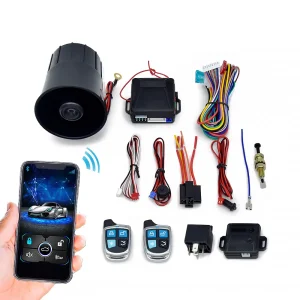
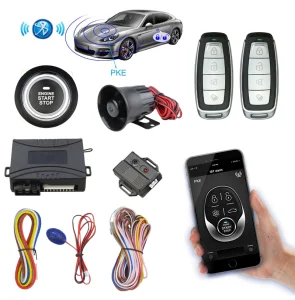
Push to Start Ignition Kit

Wholesale Market Push to Start Ignition Kit, Pke Passive Keyless Entry Car Alarm System with Remote Start, Push to Engine Start Stop

Analyze Specifications
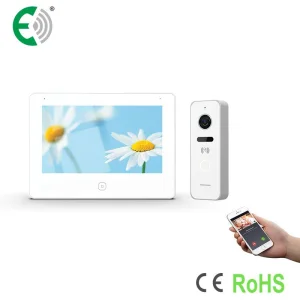
TCP/IP Wi-Fi Video Doorphone Kit

TCP/IP Touch Screen Wi-Fi Tuya Intercom System IP66 RF433 Video Doorphone Kit

Analyze Specifications
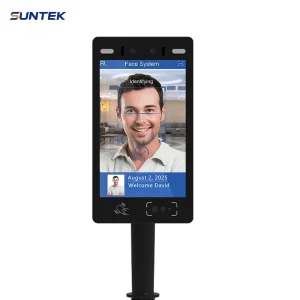
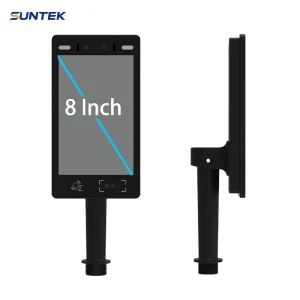
Suntek Waterproof Biometric Ai Face Recognition

Suntek Waterproof Biometric Ai Face Recognition Free Sdk Web Cloud Time Recording Attendance Customizable Logo Reset WiFi Access Control Device

Analyze Specifications
Video Surveillance Systems

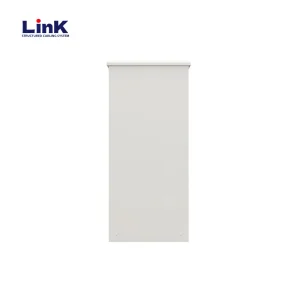
Customizable Color Video Surveillance Systems for Seamless Network Integration

Analyze Specifications
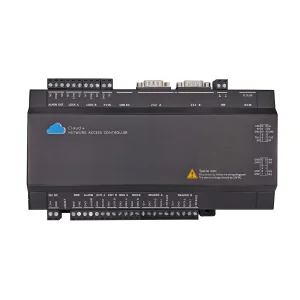
Cloud Network Access Controller

TCP/IP RS485 Cloud-Based Network Access Controller with Open Protocol and Sdk

Analyze Specifications
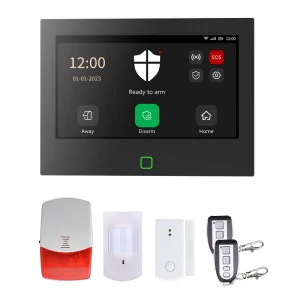
Touch Screen Home Security Alarm

7" Touch Screen Tuya WiFi 4G Home Security Alarm System with Wired Wireless Smart Zones

Analyze Specifications
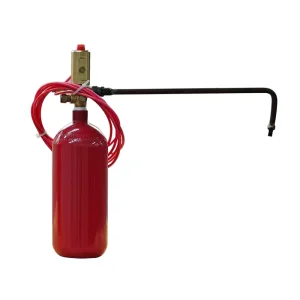
Fire Alarm Detection Tube System

Integrated Fire Alarm Detection Tube System

Analyze Specifications
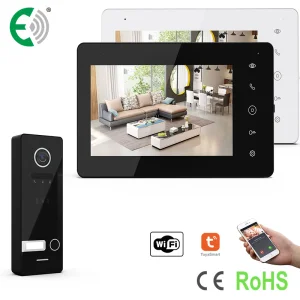
Tuya Smart Intercom Video Doorphone

TCP/IP 7" Touch Screen WiFi Tuya Smart Intercom System with RFID Unlock Villa Video Doorphone Kit

Analyze Specifications

Global Commercial & Industrial Secure Access Landscape

The Evolution from Isolated Gateways to Converged IoT Endpoint Infrastructures

In the modern landscape of corporate operations, real estate asset management, and critical infrastructure facilities, physical security is no longer an isolated utility. Driven by the integration of IoT (Internet of Things), cloud infrastructure, and deep machine learning models, secure access solutions have evolved into sophisticated intelligence layers. Across Europe, North America, and the Asia-Pacific region, commercial and industrial enterprises are systematically deprecating legacy analog entry locks. They are replacing them with multi-tier, network-managed security endpoints capable of real-time diagnostics, remote firmware updates, and programmatic integration with facility management ecosystems.

Strategic Insight: Today's access platforms rely heavily on standard TCP/IP architectures, SIP protocols, and open API configurations. This shift enables security managers to seamlessly tie video entry monitoring to automated HR biometric logging and automated facility environmental parameters.

This paradigm shift has accelerated the global demand for reliable hardware exporters capable of designing devices that meet stringent international regulatory frameworks. Compliance with directives like Europe’s GDPR (General Data Protection Regulation) requires secure, locally processed biometric data or end-to-end encrypted transmission paths. In parallel, Western infrastructure procurement teams heavily audit supply chains for compliance with NDAA (National Defense Authorization Act) guidelines, forcing manufacturers to adopt modular, traceable component sourcing. This trend has established high benchmarks for hardware security, interface reliability, and protocol adaptability.

20.4%
Global CAGR (2024-2030)
SIP 2.0
Protocol Interoperability
AES-256
Data Encryption Standard
0.001%
Biometric False Acceptance Rate

From an operational perspective, corporate offices, hotel properties, and multi-tenant smart residential complexes are pursuing zero-trust entry models. Under this design architecture, every digital handshake—whether initiated by a passive RFID card, a Bluetooth LE transponder on a smartphone, or a high-precision biometric camera—is cryptographically validated at the network edge before mechanical solenoids engage. Consequently, hardware manufacturers must engineer control interfaces that support complex communication pathways, such as RS-485 serial buses for legacy loop configurations, along with modern PoE (Power over Ethernet) and dual-band Wi-Fi interfaces.

Leading Manufacturer Profile: Shanghai KBM Living Co., Ltd.

Pioneering Integrated Digital Security and High-Scale Entry Systems

Among the premier tier of specialized developers in the intelligent building entry sector, Shanghai KBM Living Co., Ltd. has established itself as an innovative force. By combining research and development, vertical supply chain integration, and export networks, the company delivers high-reliability hardware platforms tailored for residential developments, multi-apartment properties, and high-foot-traffic commercial zones.

Operating with a core concentration on video door phone systems, smart doorbells, and access control solutions, Shanghai KBM Living integrates modern communications protocols directly into high-durability hardware. Their product portfolio bridges the gap between mechanical structural integrity and modern cloud ecosystems, allowing seamless integrations into smart home controllers and building-wide intercom panels.

Scalable OEM/ODM Capability

Offering comprehensive physical tooling adjustments, custom logo screen initialization, and custom SDK/API hooks to integrate with third-party software stacks.

Modern Protocol Architecture

Designed with support for TCP/IP, RS485, SIP, and Tuya IoT services, enabling flexible cloud configurations alongside hardwired physical loops.

Industrial Rigorous Quality

Utilizing high-grade IP65/IP66 enclosures, IK-rated vandal resistance, and temperature-tolerant components built for decades of outdoor operation.

By utilizing advanced manufacturing processes and maintaining stringent quality assurance programs, Shanghai KBM Living ensures that every exported unit exhibits long-term mechanical reliability and stable digital communication. The company continues to invest in engineering localized, scalable solutions to meet the varying regulatory and spatial needs of global architectural projects.

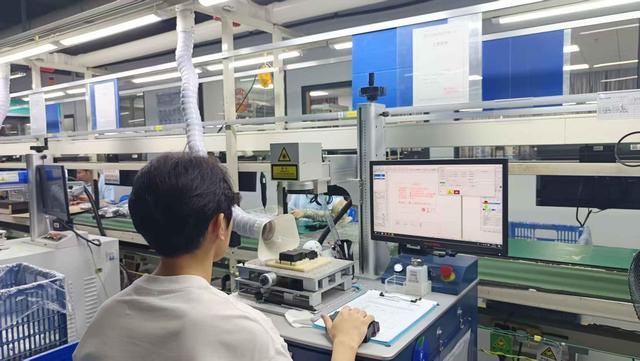
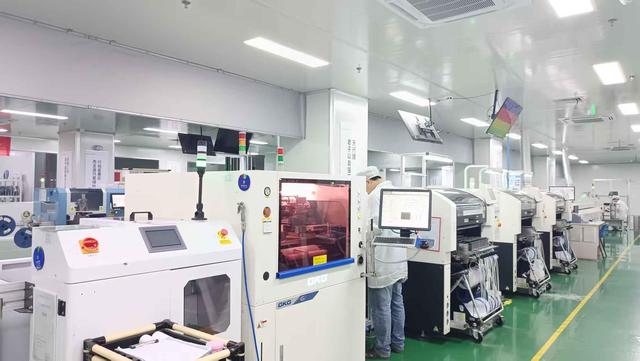
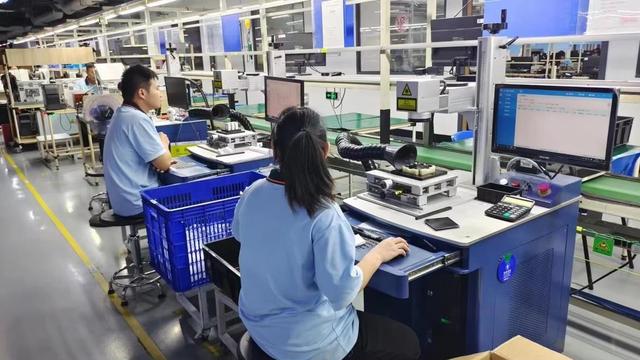
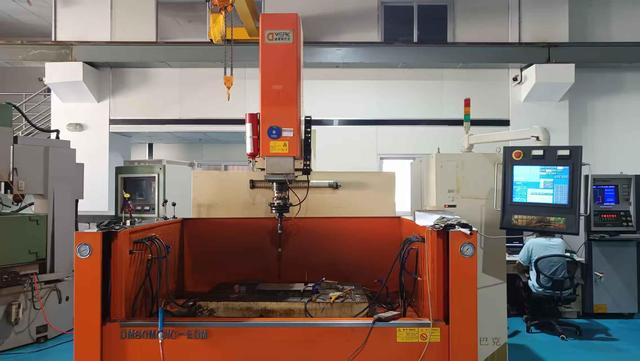
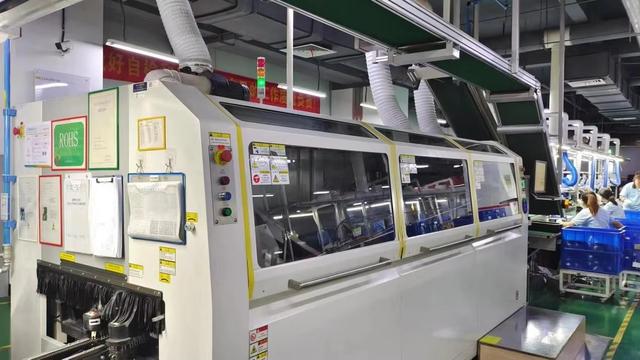
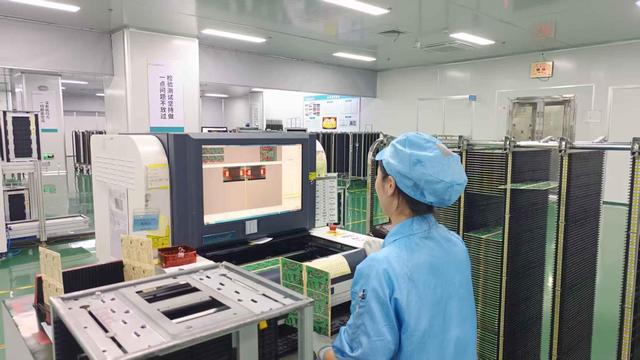
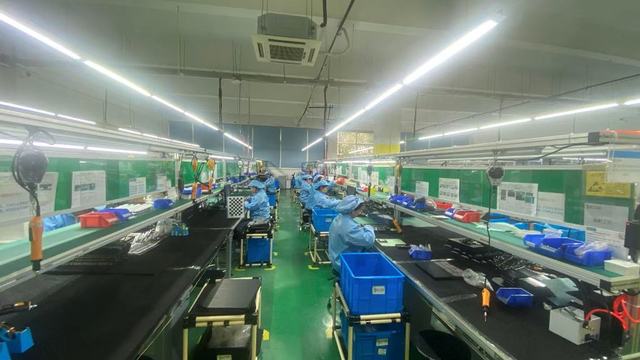
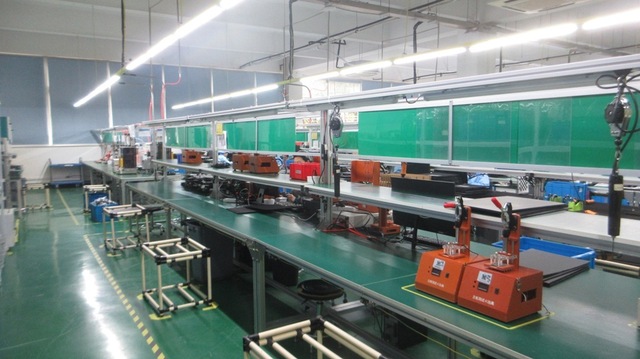
Factory Floor & Advanced Manufacturing Infrastructure

Visual verification of production processes, quality testing loops, and precision electronics integration.
The China Manufacturing & Supply Chain Edge

Understanding the Cost-to-Performance and Sourcing Advantages of Modern Clusters

The dominance of Chinese factories in the global security export market is not merely a matter of competitive labor costs. Instead, it is the result of deep industrial clustering and vertical integration. Major manufacturing corridors in regions like Shenzhen, Shanghai, and Zhejiang contain complete micro-ecosystems of component vendors, PCB assemblers, high-precision lens designers, and software engineering firms. This proximity allows developers to design, prototype, refine, and volume-produce complex products like biometric video intercom stations in a fraction of the time required by Western competitors.

Key Logistics & Technological Benefits:

  • Direct Raw Material & Chip Access: Raw aluminum extrusions, optical glass, LCD panels, and silicon microcontrollers are sourced from local ecosystems, reducing shipping friction and buffer stocks.
  • Rapid Prototyping Cycle: Structural CAD files can be translated into functional plastic molds or CNC metal housings in days rather than weeks, accelerating time-to-market.
  • High-Automation SMT Lines: Modern Chinese factories utilize high-speed surface-mount technology (SMT) and automated optical inspection (AOI) to achieve defect rates below 50 PPM (parts per million).
  • Embedded IoT Support: Pre-integrated compatibility with cloud systems like Tuya, AWS IoT, and private SIP protocols allows software updates to be rapidly coded, tested, and flashed.

For international importers, this industrial efficiency translates to competitive unit economics, flexible Minimum Order Quantities (MOQs), and robust custom engineering. Importers can request customized physical configurations (e.g., integrating a specific card reader layout or applying specialized anti-corrosion coatings for seaside installations) without incurring prohibitive non-recurring engineering (NRE) costs.

Localized Application Scenarios

Adapting Modern Secure Access Hardware to Diverse Operational Environments

Industrial and commercial projects present highly varied requirements. A solution optimized for an apartment complex will not succeed in a remote industrial compound or an automotive security setting. Below are key deployment scenarios where modern secure access devices deliver critical system value:

Multi-Apartment Complexes

Modern high-rise residential properties rely on SIP-based outdoor door stations. Utilizing dynamic 10.1-inch touchscreens, visitors connect directly to residents' smartphones via Wi-Fi. This setup eliminates the need for expensive dedicated indoor monitors in every unit while providing secure RFID and PIN entry options.

Biometric Corporate Offices

Corporate spaces leverage waterproof, cloud-connected facial recognition panels. These terminals function as both secure door locks and automated attendance loggers. Operating via free SDKs and Web Cloud interfaces, they sync directly with HR payroll software, recording timestamps with 99.9% biometrics verification accuracy.

Industrial & Utility Settings

Critical monitoring infrastructure requires ruggedized solutions. This environment integrates high-durability sensors, fire detection tube controls, and outdoor monitoring stations to shield sensitive data loops and mechanical gates from environmental hazards and physical tampering.

Furthermore, in the automotive sector, advanced access systems are shifting toward smart PKE (Passive Keyless Entry) and Bluetooth LE transceivers. These products enable hands-free door locking, ignition authorization, and mobile-app-based remote vehicle access. This demonstrates how modern access control systems now extend from fixed physical buildings to mobile transportation assets.

Technological Trends Reshaping the Security Industry

What Procurement Managers and System Integrators Must Anticipate

To maintain competitive advantages, security system integrators and distributors must track major architectural trends:

  • Edge AI Computing: Biometric facial recognition and voice pattern authentication are moving directly to the local hardware chip level. Edge computation allows systems to authenticate credentials in under 0.2 seconds and continues to function during network outages.
  • Cloud Interoperability & Unified APIs: Traditional security systems are moving away from proprietary physical control cabinets. System designers now prioritize devices that offer open TCP/IP protocols and developer-friendly SDKs. This allows the hardware to connect directly to cloud services like Tuya, AWS, and modern facility management tools.
  • Dynamic Contactless Access: The use of physical plastic keycards is declining rapidly. The industry is standardizing on NFC-based digital wallets, Bluetooth LE credentials, and high-security QR codes generated on mobile phones. This approach simplifies credential management and reduces operational costs.
  • Environmental and Safety Convergence: Modern security platforms increasingly integrate with safety monitoring systems. Fire alarm detection loops, emergency door releases, and environmental monitoring modules now link directly to access controllers, ensuring automated safety overrides during emergency events.

Advanced Control, Monitoring & Vehicle Security Systems

Industrial-grade monitoring, smart vehicle telemetry, and high-capacity SIP building doorphones.
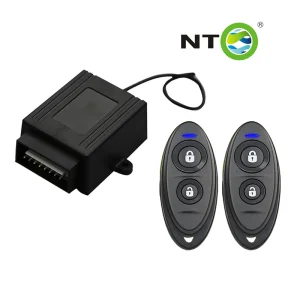
Nto Ld007 Universal Entry System

Nto Ld007 Universal 12V DC Keyless Entry System with Central Locking

Analyze Specifications
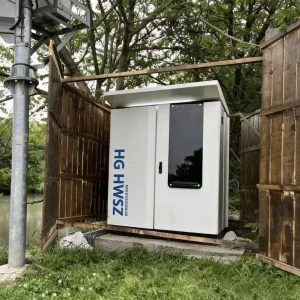
Water Quality Monitoring Station

Industrial-grade water quality monitoring station - National standard method detection - Outdoor integrated online monitoring system HG HWSZ S100

Analyze Specifications
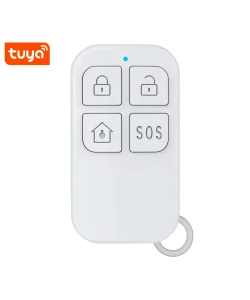
Wireless Alarm Remote Controller

Wireless Alarm Remote Controller for Tuya Alarm System

Analyze Specifications
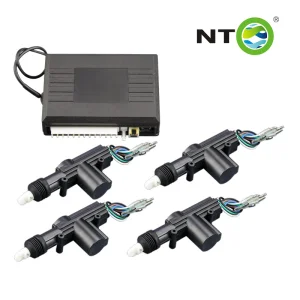
Nto Car Door Lock System

Nto Car Door Lock, DC 12V Universal Keyless Entry Kit Car Remote Central Door Locking Keyless Entry System

Analyze Specifications
Bluetooth Car Alarm System

Bluetooth Car Alarm System with 433.92/370/315MHz Pke Automatically Unlock Lock Keyless Entry

Analyze Specifications
Nto Pke Car Alarm System

Nto Pke 12V Car Alarm System with APP Remote Control Push Button

Analyze Specifications
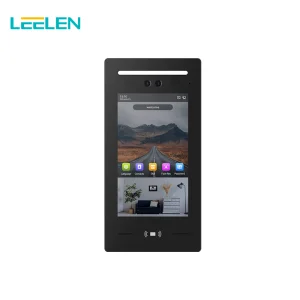
Leelen 10.1 Inch HD SIP Intercom

Leelen 10.1 Inch HD Touch Screen Security Multi Apartment SIP Smart Building Video IP Entry Door Intercom System

Analyze Specifications
OEM/ODM Suntek Android Biometric Machine

OEM/ODM Suntek Ndroid Biometric Door Access Machine Face Check Scanning Recognition Integrated Sdk Attendance System with Multipla Installations Me

Analyze Specifications

Global Sourcing Guide for Enterprise Procurement Directors

Evaluating Technical Competencies, Long-Term Hardware Life Cycles, and SDK Feasibility

When evaluating global factories for smart doorbells, access control terminals, and video door phone systems, procurement officers should look beyond list prices. Low upfront costs can be quickly erased by hardware failures, integration issues, or poor product support. Enterprise buyers should prioritize the following verification factors:

  • SDK & Firmware Flexibility: Ensure the factory provides open, documented SDKs (Software Development Kits) for both local network (TCP/IP) and cloud environments. This is essential for integrating security endpoints with pre-existing property management systems (PMS) or corporate directory software.
  • Hardware Durability & Protection Ratings: Outdoor equipment must feature at least IP65-rated ingress protection and IK07-rated impact protection. This ensures reliable performance in extreme weather conditions and high-traffic areas.
  • Reliable IoT Integrations: Verify that the hardware supports secure, standard communication protocols (such as SIP 2.0, WebSockets, or encrypted MQTT). This makes it easier to connect devices with popular IoT ecosystems, including Tuya, Google Home, or custom corporate platforms.
  • Supplier Support Capabilities: Choose suppliers that offer dedicated technical support, clear warranties, and options for custom branding (OEM/ODM services). This helps resolve issues quickly and ensures the hardware aligns with your project requirements.

Technical & Procurement FAQ

Detailed answers to common questions about modern access control systems and factory integrations.

1. What are the main benefits of choosing SIP-based video door phone systems over legacy analog systems?

SIP (Session Initiation Protocol) systems convert audio and video signals into digital data packets. This design allows intercom calls to route over standard IP networks, enabling features like mobile app notifications, direct cloud connections, and seamless integration with security cameras and smart home platforms. Unlike analog setups, SIP systems do not require complex, dedicated wiring runs, making them highly scalable for large properties.

2. How does Shanghai KBM Living Co., Ltd. support custom development requests (OEM/ODM)?

Shanghai KBM Living provides comprehensive OEM/ODM services. This includes applying custom physical logos, developing tailored firmware startup screens, and customizing structural enclosures. Additionally, the company offers open SDKs and APIs to help developers integrate their hardware with third-party software applications and security systems.

3. Why are biometric face recognition access control systems preferred for commercial office buildings?

Biometric face recognition terminals offer a secure, touchless method for credential verification. Modern systems operate at high processing speeds (typically under 0.2 seconds) with false acceptance rates below 0.001%. By eliminating the need for physical keys or badges, these systems prevent security risks like card sharing and simplify attendance tracking for HR departments.

4. What role does Tuya IoT integration play in modern smart home alarm systems?

Integrating with the Tuya IoT ecosystem allows security systems to connect with a wide range of smart home accessories. Users can monitor and control door locks, cameras, and alarm systems through a single mobile interface. It also supports automated rules, such as disarming alarms and turning on lights when a user unlocks the door.

5. How do Passive Keyless Entry (PKE) systems improve automotive security and user convenience?

PKE systems use low-frequency radio waves to detect the vehicle's key fob when the driver approaches. The system automatically unlocks the doors and enables push-to-start ignition without requiring the driver to press button controls on the fob. To prevent vehicle theft, these systems utilize rolling codes and encrypted wireless protocols to block signal replication attacks.

6. Why is IP65 or IP66 environmental protection essential for outdoor access control hardware?

IP65 and IP66 ratings certify that the device enclosure prevents dust entry and resists water ingress from rain or low-pressure jets. This standard is critical for outdoor hardware, protecting internal components like biometric scanners and circuit boards from environmental damage to ensure long-term operational stability.