Explore our foundational enterprise solutions, integrating biometric recognition, cloud processing, and high-frequency communication protocols.




Understanding the transition from traditional analog CCTV to AI-enabled, edge-computed neural networks for intelligent perimeter security.
The global physical security sector is experiencing a monumental transformation. Traditional CCTV surveillance and basic RFID access systems no longer suffice to protect high-security facilities. The current gold standard requires the integration of Artificial Intelligence at the edge. The integration of AI-based surveillance systems ensures that latency in hazard detection is virtually eliminated. These systems no longer merely record historical footage for forensic investigation; they actively interpret optical, thermal, and spatial data in real-time.
By leveraging deep learning algorithms, modern systems can categorize and track objects, run real-time facial and palmprint biometrics, identify thermal anomalies, and instantly trigger locks or alert systems. This is particularly crucial in critical infrastructure protection, high-end commercial offices, gated communities, and complex aerospace defense scenarios where anti-drone technologies are deployed to mitigate airborne surveillance threats.
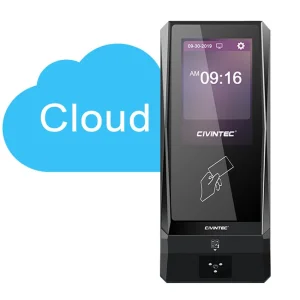
Local analysis of biometric and behavioral templates directly on the terminal, avoiding high server overheads and ensuring near-zero response latencies.
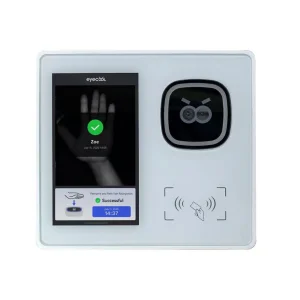
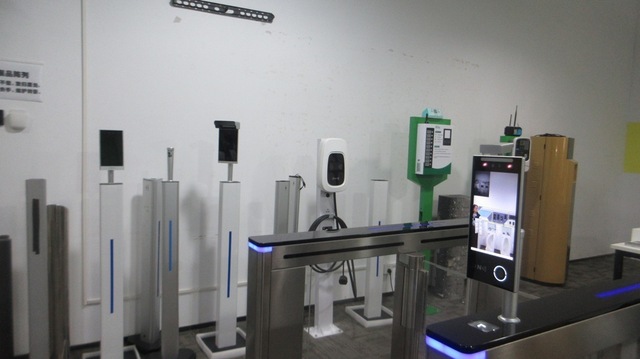
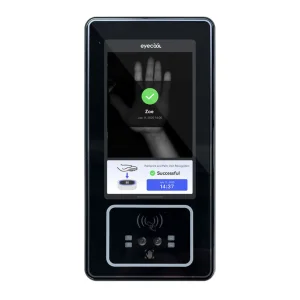
Integration of liveness detection palm vein scanners, facial recognition, and dual-frequency credentials for highly secure access corridors.
Compatibility with MQTT, LoRaWAN, and 4G/5G backhauls to guarantee constant integration with smart municipal dashboards.
The convergence of IoT with computer vision is driving the smart security industry forward. Standard IP cameras are being replaced with AIoT edge controllers. This convergence allows door entry systems, vehicle license readers, and radar detection hubs to function on a single network. Technologies like palmprint vein scanning present a significantly safer solution than optical fingerprints. By measuring the sub-dermal absorption of infrared light by red blood cells, these devices ensure liveness and prevent authentication forgery.
Additionally, the rise of drone-based industrial espionage has forced developers to integrate low-altitude airspace defense directly with land-based physical security networks. The modern enterprise must plan for 3D perimeter security, integrating drone detection radars alongside typical pedestrian gate and building access controls.
An in-depth look at scale, technological adaptability, and the integrated supply chains of Shanghai and Shenzhen smart security manufacturers.
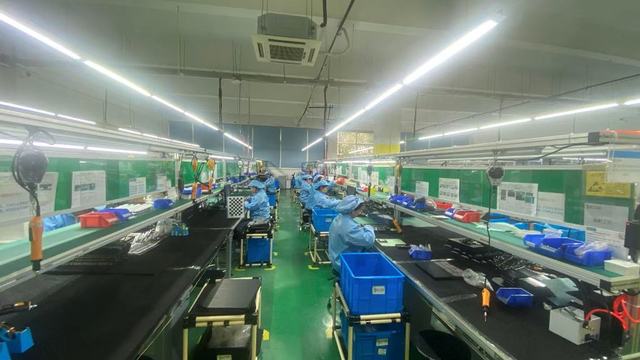
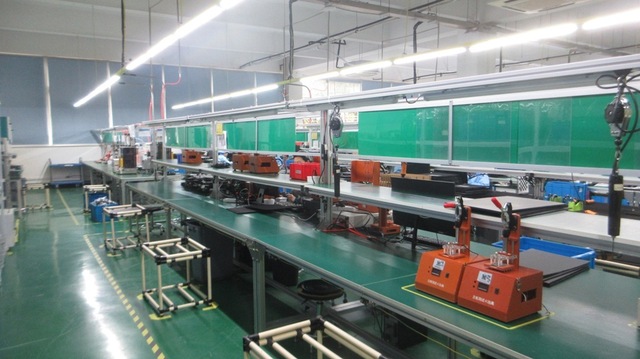
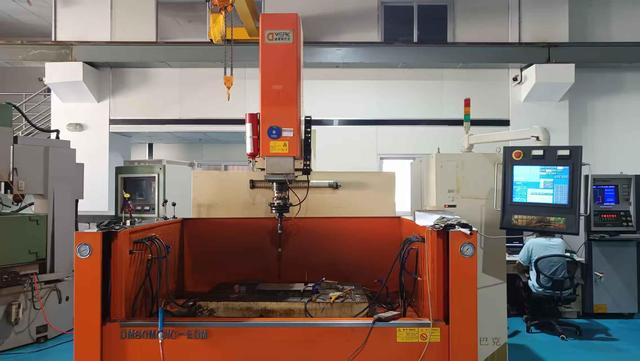
China remains the global nucleus for the production of AI-based surveillance and access systems. Manufacturers based in key hubs like Shanghai and Guangdong enjoy unique systemic advantages. The immediate proximity to the world's leading semiconductor foundries, advanced optics suppliers, and precision enclosure molders allows for rapid development cycles. When a global client requests a custom firmware integration or a modified physical design (OEM/ODM), Chinese factories can transition from CAD drafts to functional physical prototypes within weeks, whereas Western counterparts typically require months.
Furthermore, raw material sourcing is highly integrated. High-grade fiberglass for heavy-duty security gates, specialized polycarbonates for vandal-proof card readers, and optical sensors optimized for low-light situations are sourced locally, eliminating international logistics bottlenecks and maintaining cost competitiveness.
Shanghai KBM Living Co., Ltd. is a professional manufacturer and supplier specializing in smart security and intelligent building entry systems. The company focuses on the design, production, and export of advanced video door phone systems, smart doorbells, and access control solutions, providing reliable and innovative security products for residential, commercial, and industrial applications.
With a strong commitment to smart home technology, KBM Living integrates modern communication, IoT connectivity, and security control into its product range. Its solutions are widely used in apartment complexes, villas, office buildings, hotels, and gated communities, helping users achieve safer and more convenient entry management. The company’s product portfolio typically includes video intercom systems, WiFi-enabled smart doorbells, indoor monitors, outdoor door stations, and integrated access control systems.
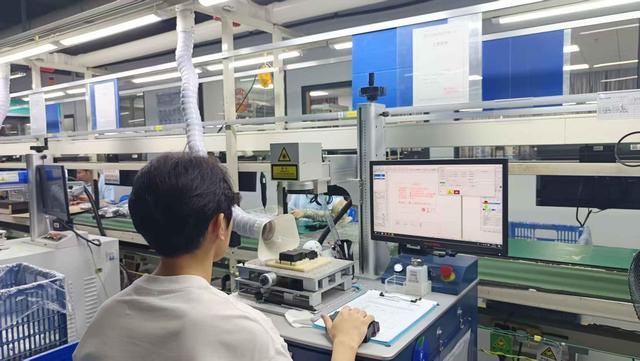
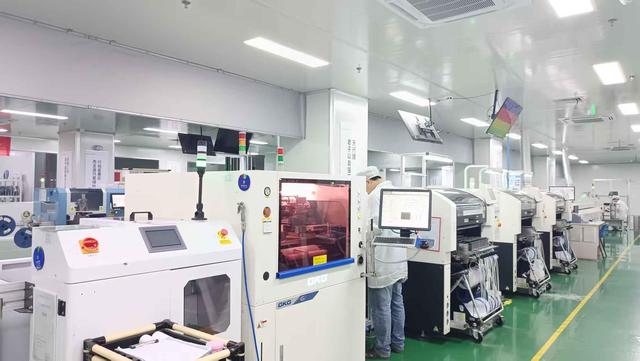
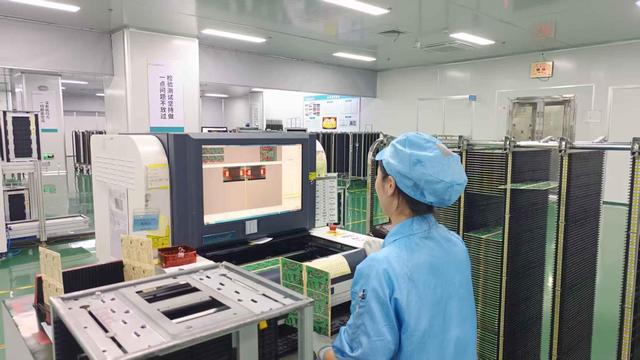
Shanghai KBM Living Co., Ltd. emphasizes product quality, user-friendly design, and system stability. By adopting advanced manufacturing processes and strict quality control standards, the company ensures durable performance and long-term reliability. It also supports OEM and ODM services to meet the customized needs of global clients.
Driven by innovation and global market demand, KBM Living continues to develop intelligent, connected, and scalable smart security solutions, aiming to become a trusted partner in the global smart home and building security industry.



Analyzing how integrated IoT, optical, and biometric systems solve critical challenges across industrial, commercial, and municipal sites.
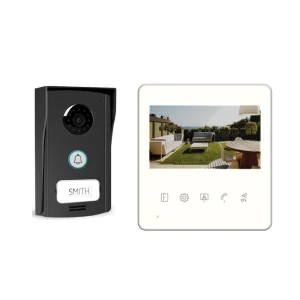
Modern high-end residential communities require dual-layer identity verification. Visitors interact with outdoor stations that support QR codes and 4G communication, while residences are managed through a centralized indoor monitor. The integration of 2-wire setups allows old buildings to retrofit these solutions using existing copper paths, preventing expensive structural wiring costs. The resident can manage visitor gates directly from their smartphone using proprietary secure cloud protocols.
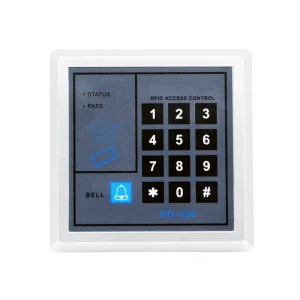
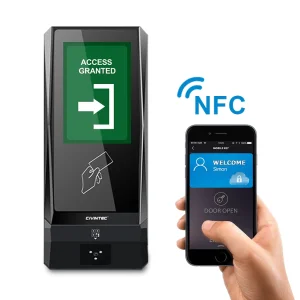
Commercial gyms and hotels experience high throughput. Automation is vital. Deploying controllers like the CT9 dual-frequency reader allows automation of gym entrances via 4G. Users purchase access online and instantly receive a dynamic, time-sensitive QR code on their smartphone. Similarly, for hotels, readers with open SDK and LoRa/WiFi channels can communicate directly with the local PMS (Property Management System), managing room entry cards, NFC, and BLE credentials dynamically without requiring physical desk check-ins.
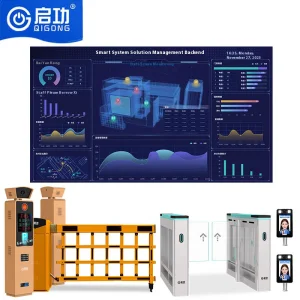
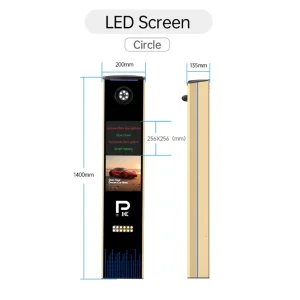
For airport security and large commercial parking operations, manual ticketing is a failure point. A professional-grade, cloud-based License Plate Recognition (LPR) system integrated with bright LED/LCD dashboard screens acts as the frontline gatekeeper. By utilizing a high-definition OCR camera, these systems cross-reference staff, cargo, and passenger vehicles with security databases in less than 500 milliseconds.
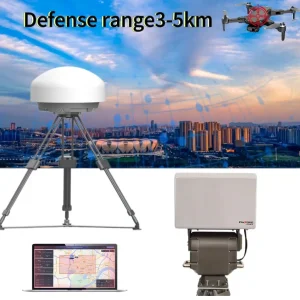
The threat profile has expanded vertically. High-value facilities are targetable by consumer drone systems. To mitigate this risk, forward-looking security frameworks integrate a multi-spectrum anti-drone defense system. Radar tracking and radio-frequency (RF) scanners identify rogue drone signals at ranges exceeding 3 kilometers. Photoelectric tracking targets the payload, allowing selective signal jamming to safeguard private airspace without disrupting local aviation communications.
Essential checklist items for chief security officers, supply managers, and building contractors sourcing international hardware.
When procurement divisions evaluate factories for security hardware, they must look beyond basic unit pricing. Enterprise integration requires a strict set of software and hardware compliances. If you are importing to regions like Europe or North America, verify certifications such as CE, FCC, RoHS, and check for local security standards.
Moreover, the hardware must be future-proof. Devices should support open APIs and SDKs (Software Development Kits). Choosing a closed proprietary platform can lock an enterprise into single-vendor reliance, preventing integration with third-party HR systems, access logs, or visitor management databases.
Explore our advanced security devices, featuring heavy-duty biometric access portals and high-tier defense hardware.
Addressing the integration, maintenance, and deployment challenges that procurement and engineering departments commonly face.
 KBM Living