Discover our premium range of interconnected entry systems designed for commercial properties, smart cities, and industrial facilities.
A Comprehensive Whitepaper Analysis on Enterprise Security Infrastructure, Connectivity Paradigms, and Export Standards.
The global IoT door locks and intelligent access control market is transitioning from simple mechanical credentials to sophisticated, cloud-managed biometrics and dynamic encryption systems. Driven by real estate digitization, multi-tenant residential upgrades, and industrial security automation, commercial ecosystems demand scalable solutions. As smart lock systems become central to local Area Networks (LAN) and Building Management Systems (BMS), suppliers are tasked with implementing multi-protocol microcontrollers capable of continuous uptime and over-the-air (OTA) updates.
Hardware developers now integrate secure element chips (such as EAL5+ certified hardware) to safeguard critical credentials. Industry protocols such as AES-128/256-bit encryption, TLS 1.3 for data-in-transit, and SHA-256 signatures for firmware integrity are essential for enterprise compliance. Compliance frameworks including CE, FCC, RoHS, and UL294 dictate standard parameters for hardware design. China-based manufacturers are adapting to these stringent global expectations, guaranteeing seamless interoperability across European and North American regions.
Modern IoT architectures demand heterogeneous network integration. Devices rely on low-power technologies such as BLE (Bluetooth Low Energy) for short-range user-proximity verification, Zigbee and Thread for local mesh networks, Wi-Fi for direct-to-cloud connections, and NB-IoT or 4G LTE for off-grid infrastructure security. The introduction of Matter as a standardized application layer guarantees that next-generation smart lock hardware will interface cleanly with platforms from Apple, Google, Amazon, and Samsung, lowering deployment integration costs.
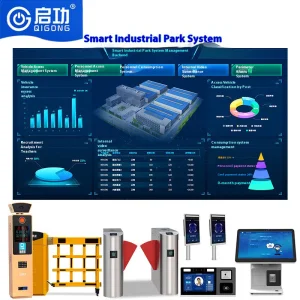
The architectural path driving modern access control engineering, from edge compute nodes to cloud analytics.
Traditional RFID cards are highly susceptible to duplication. Our security pipeline implements hardware-level biometric validation (Iris scan and 3D Structured Light Facial Recognition) executed entirely at the local edge processor. This mitigates latency issues and guarantees operational access even in offline situations when internet connectivity is lost.
Redundancy is critical for logistics hubs and industrial complexes. Multi-protocol gateways link locks using Zigbee/Thread mesh architectures and translate the signals into cellular 4G/5G WAN links. Local-first protocols guarantee that doors continue to validate credentials during localized network drops while periodically syncing audit logs to central databases.
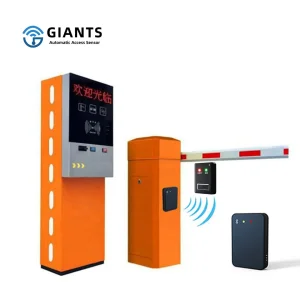
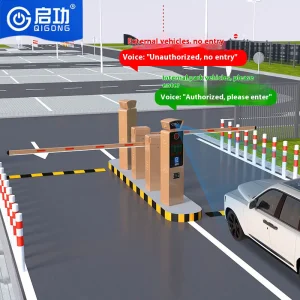
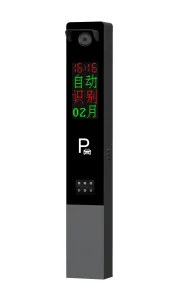
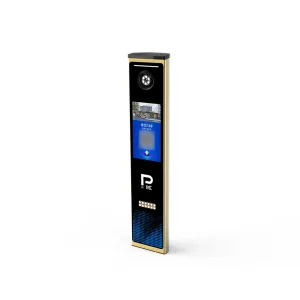
By coupling LPR (License Plate Recognition) cameras with entry barrier sensors and pedestrian access control, modern systems leverage computer vision AI to flag suspicious movement pattern anomalies. Advanced AI detects tailgating violations instantly, raising alerts to offsite building managers via instant mobile-push notifications.
Custom-engineered systems tailored to satisfy global regulatory frameworks and real-world operational challenges.
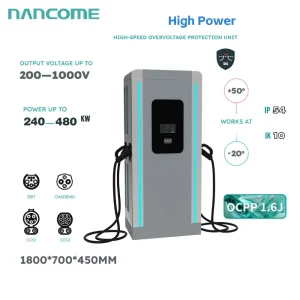
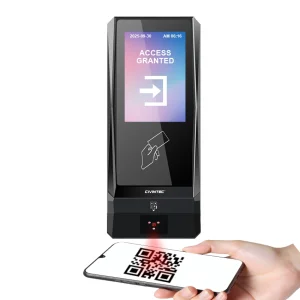
High-security logistics gates require coordination of vehicles and staff. Integrating Nancome 480kW charging stations, 5MP cloud-based LPR cameras, and microwave radar systems minimizes manual check-in requirements. Visitor management systems grant temporary QR codes or biometric access, tracking movements inside factory perimeters while reducing dwell time.
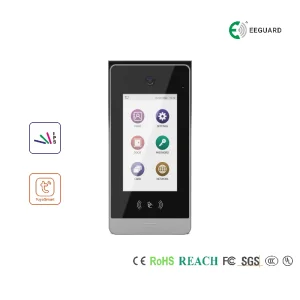
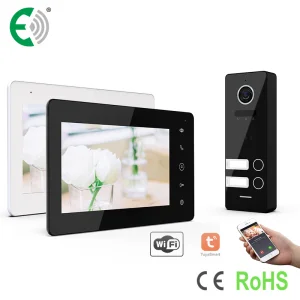
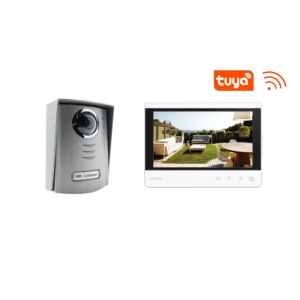
Modern properties rely on unified digital intercoms to manage tenants. Multi-family villas and apartments employ waterproof 2-wire/IP intercom monitors paired with Tuya/WiFi smartphone applications. This enables remote door unlocking, virtual visitor keys, and seamless connection with security stations, enhancing long-term property valuation.
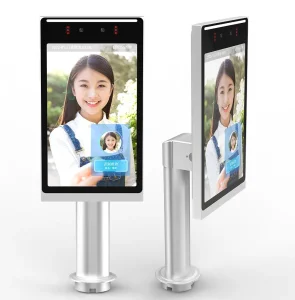
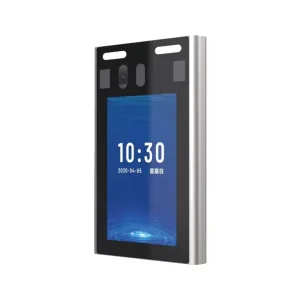
Large corporate offices use smart access controls to maintain physical safety. Utilizing facial recognition terminals, smart elevator accesses, and iris recognition readers prevents unauthorized floor traversal. Corporate security administrators monitor active credentials and adjust group policies instantly across global offices from one central pane.
A global supplier specializing in high-performance access control systems, video door phone integration, and IoT security solutions.
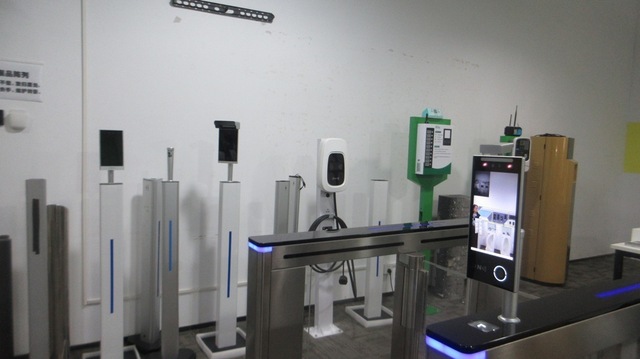
Shanghai KBM Living Co., Ltd. is a professional manufacturer and supplier specializing in smart security and intelligent building entry systems. The company focuses on the design, production, and export of advanced video door phone systems, smart doorbells, and access control solutions, providing reliable and innovative security products for residential, commercial, and industrial applications.
With a strong commitment to smart home technology, KBM Living integrates modern communication, IoT connectivity, and security control into its product range. Its solutions are widely used in apartment complexes, villas, office buildings, hotels, and gated communities, helping users achieve safer and more convenient entry management. The company’s product portfolio typically includes video intercom systems, WiFi-enabled smart doorbells, indoor monitors, outdoor door stations, and integrated access control systems.
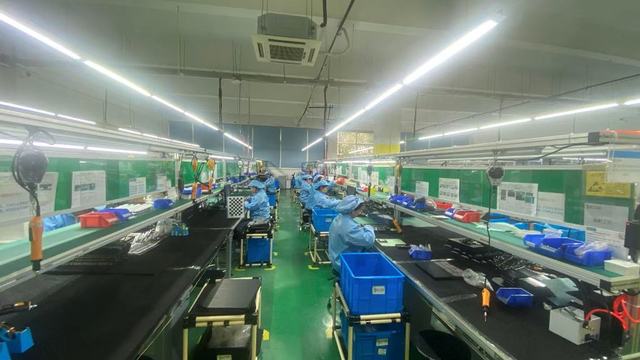
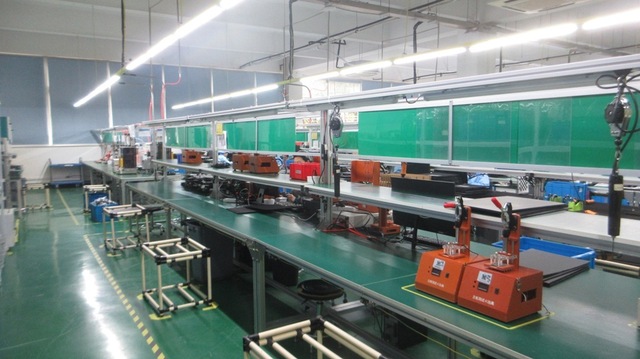
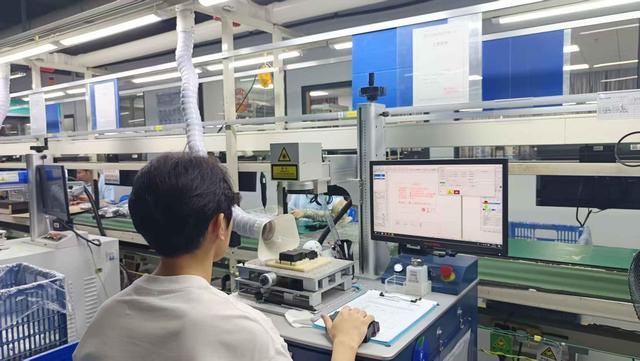
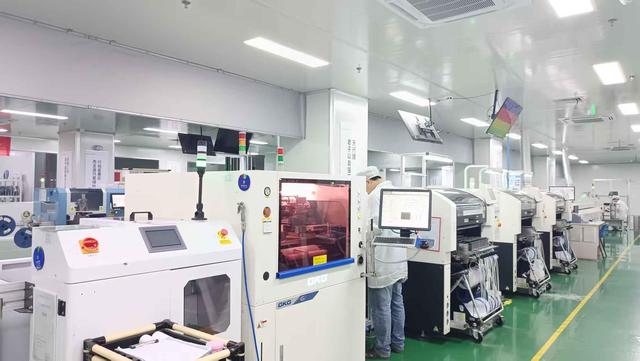
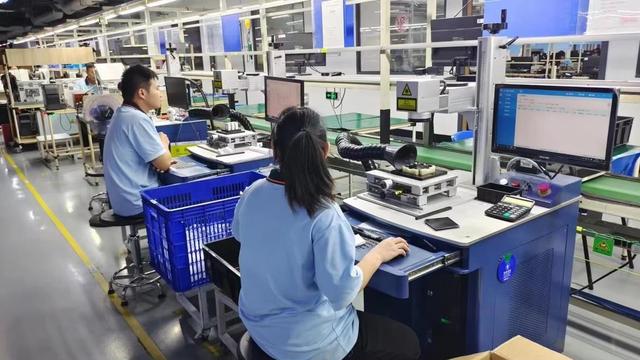
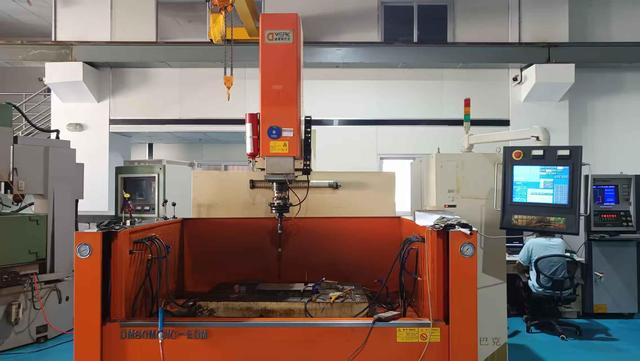
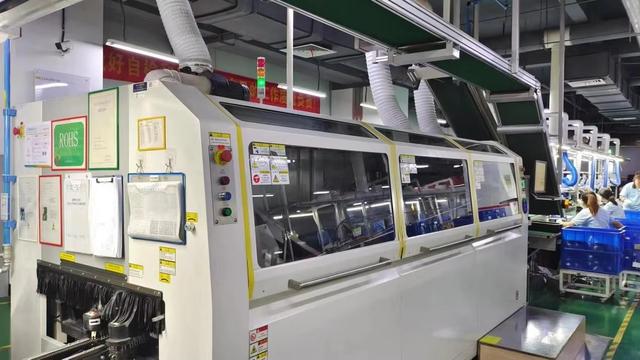
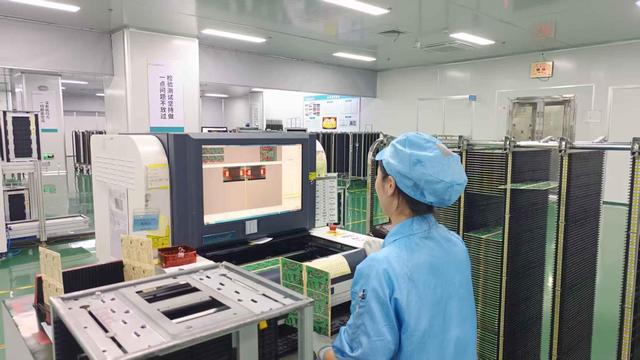
Shanghai KBM Living Co., Ltd. emphasizes product quality, user-friendly design, and system stability. By adopting advanced manufacturing processes and strict quality control standards, the company ensures durable performance and long-term reliability. It also supports OEM and ODM services to meet the customized needs of global clients.
Driven by innovation and global market demand, KBM Living continues to develop intelligent, connected, and scalable smart security solutions, aiming to become a trusted partner in the global smart home and building security industry.

Detailed engineering, integration, and procurement answers for B2B global clients.
Browse through our specialized access control options, visitor tracking tools, and smart vehicle accessories.
 KBM Living