📊 Basic Info.
Insulation Resistance
Above 20 MΩ
Usage
Industrial, Agriculture
Control Unit
Embedded Industrial Control System
Data Communication
RS232/RS485; Support wireless transmission
Power Dissipation
2500W (maximum power)
Production Capacity
10000 Pieces/Year
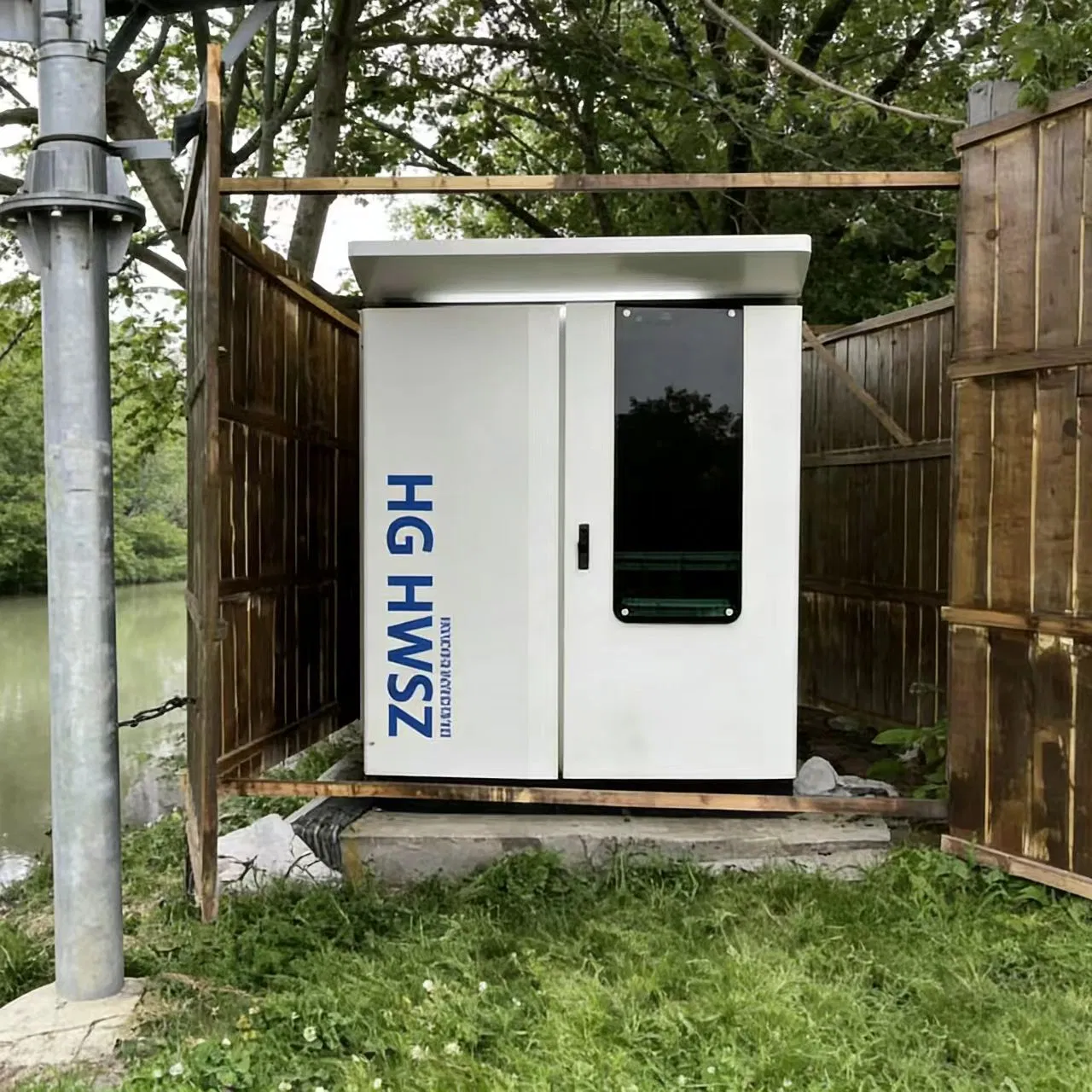
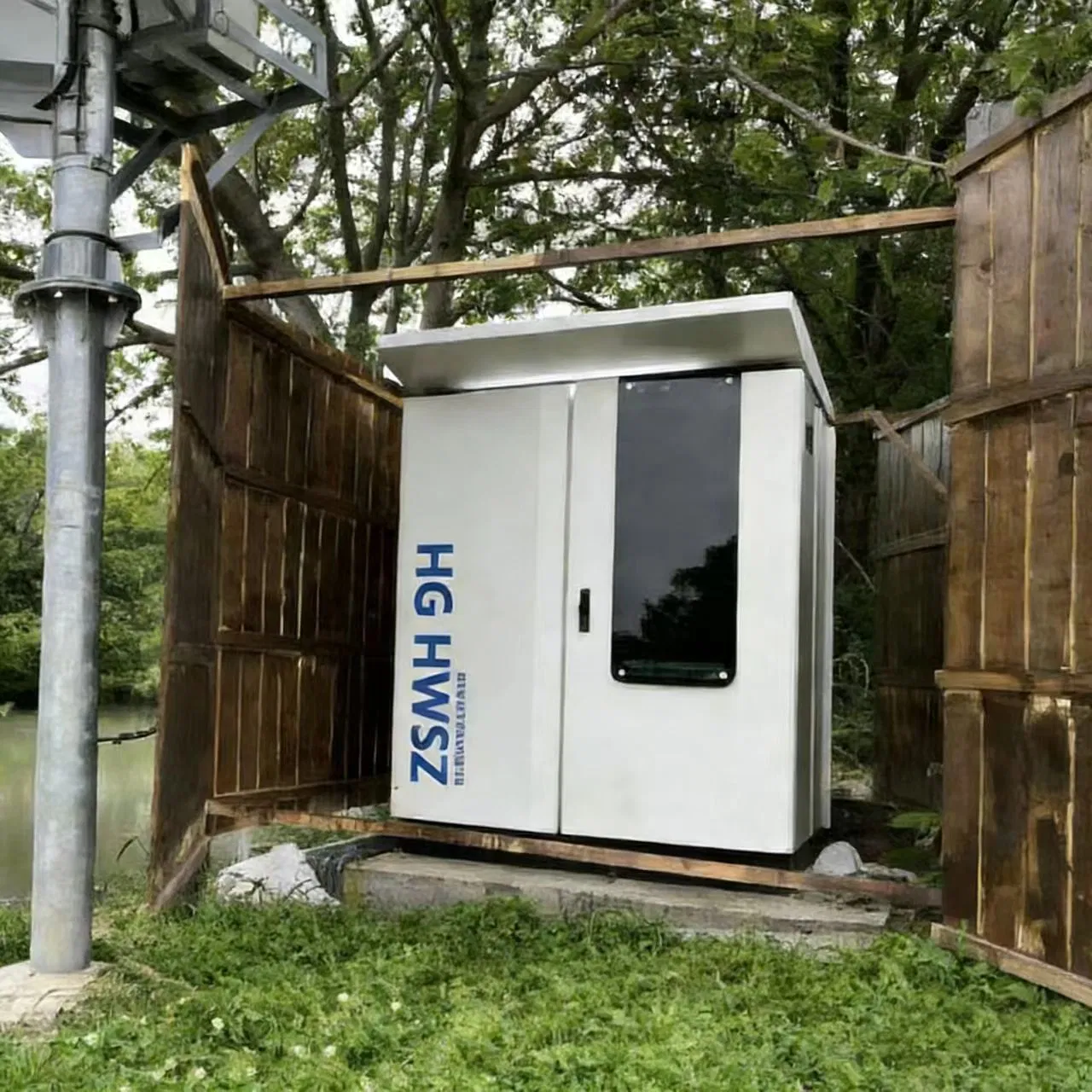
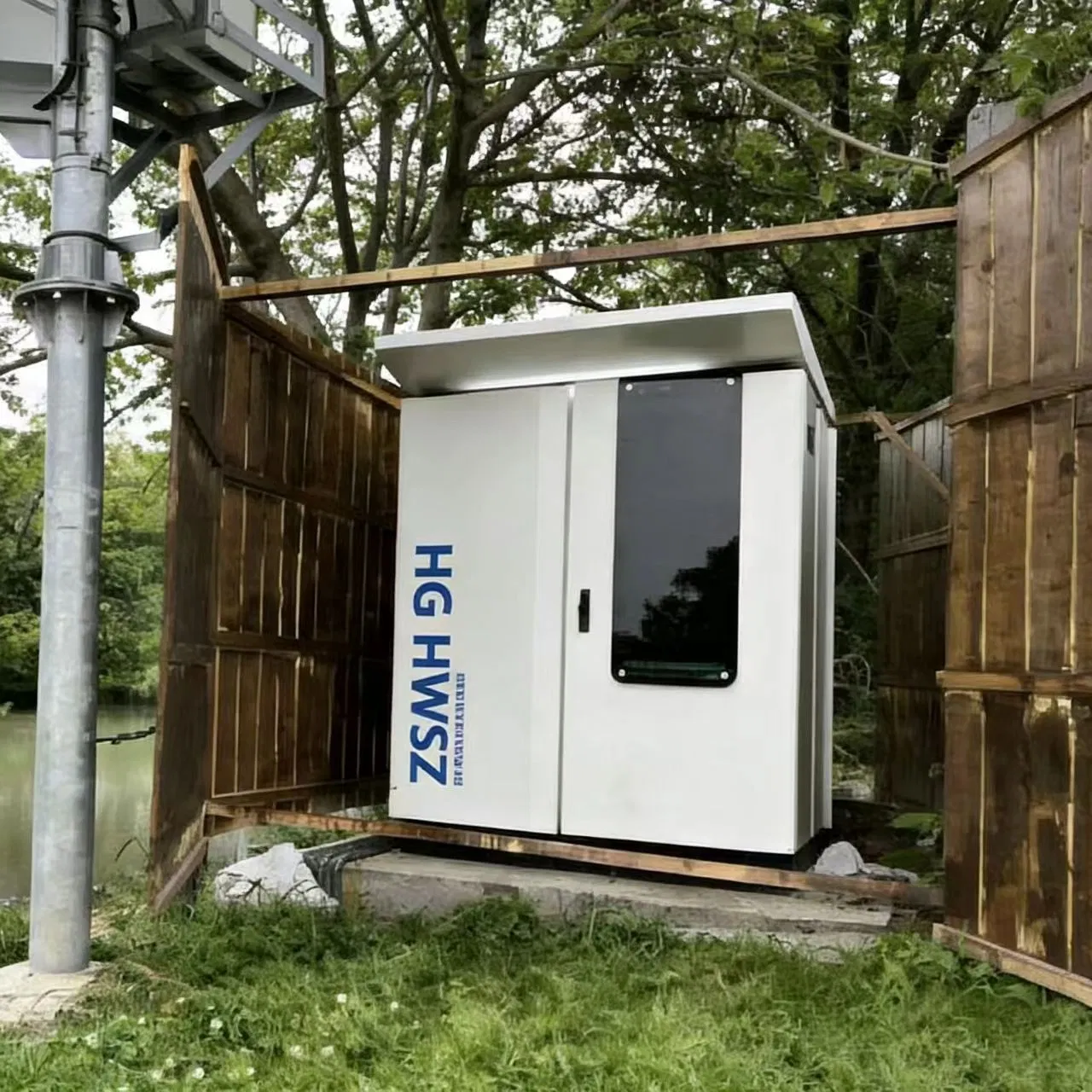
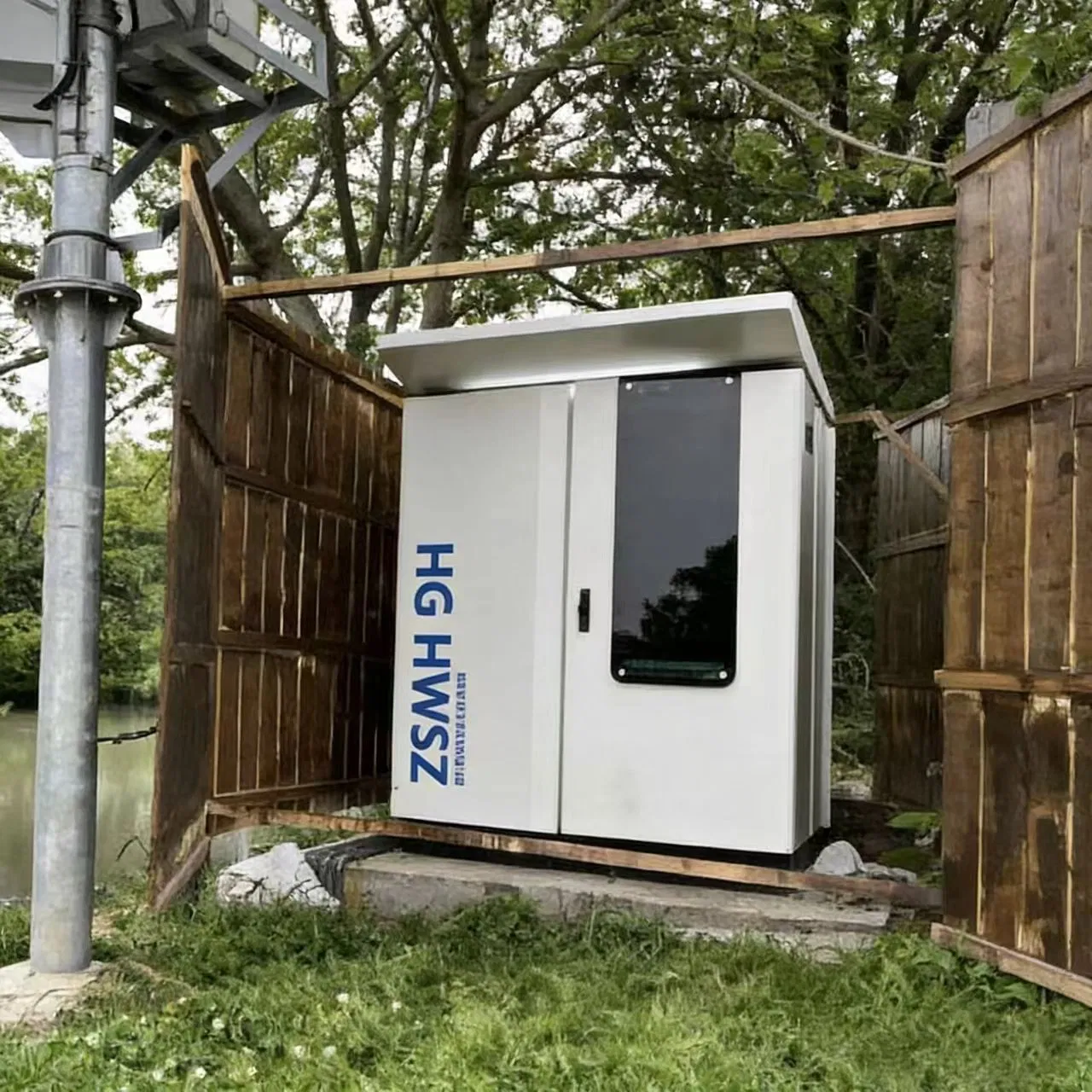
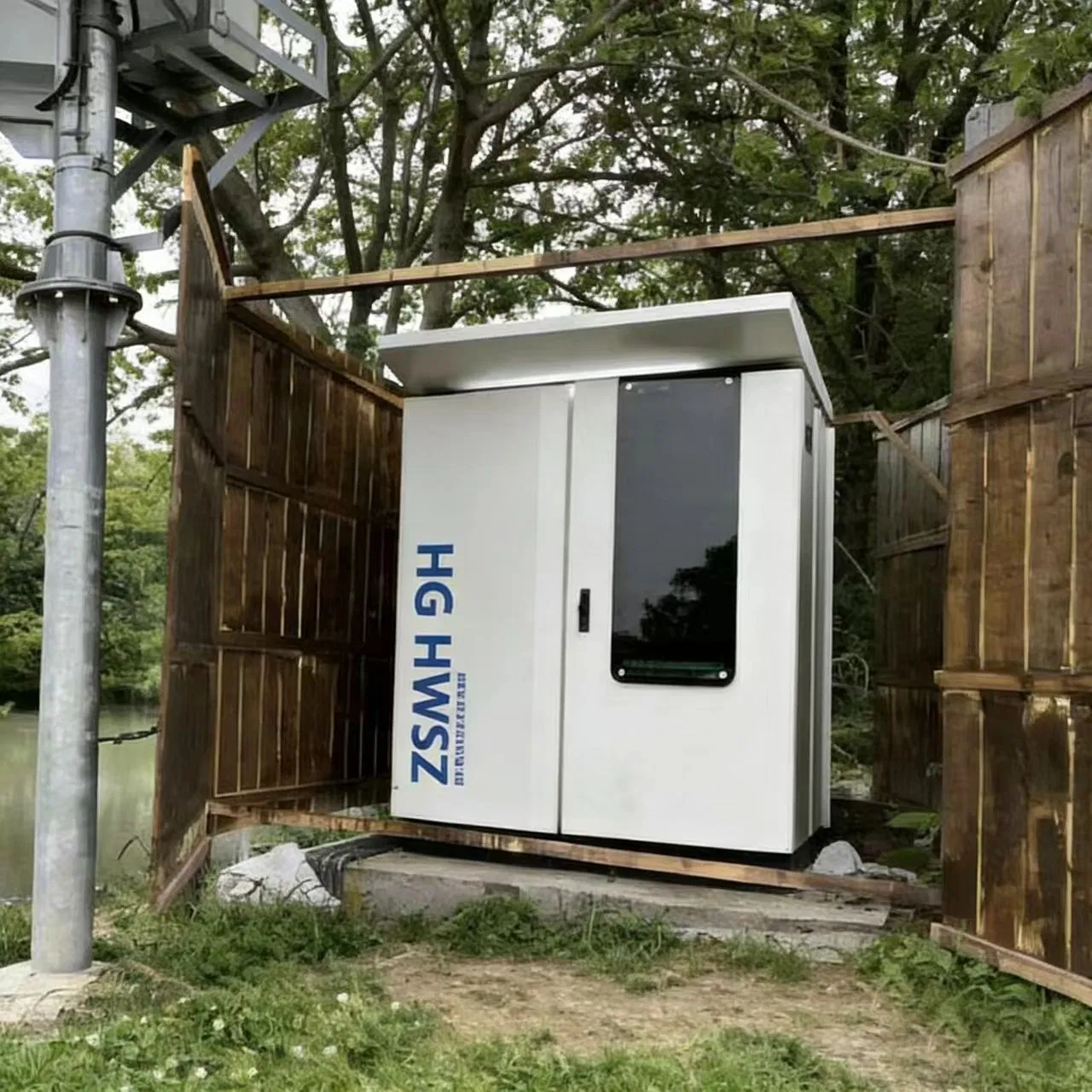
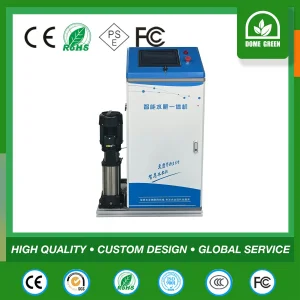
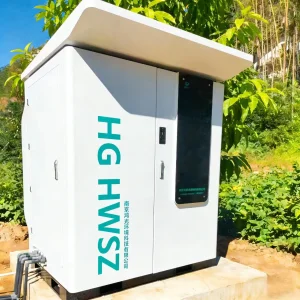
💧 Outdoor Small-scale Automatic Water Quality Monitoring Station
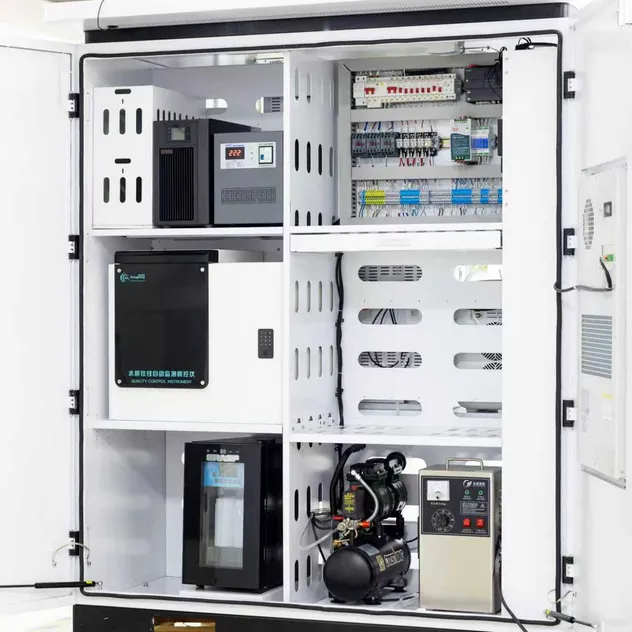
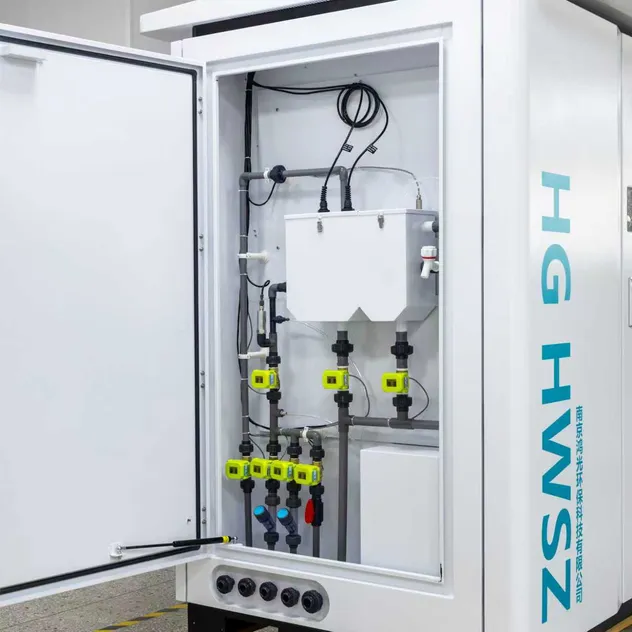
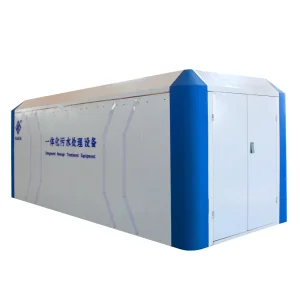
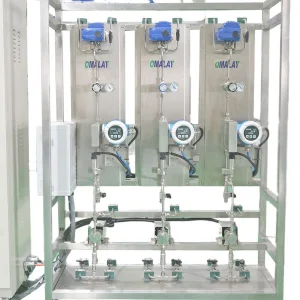
This outdoor small-scale automatic water quality monitoring station adopts an integrated design principle, including a water collection and distribution system, detection units (total phosphorus, total nitrogen, permanganate index, ammonia nitrogen, and five conventional parameters), quality control units, and auxiliary units (waste liquid collection, lightning protection, air conditioning, etc.).
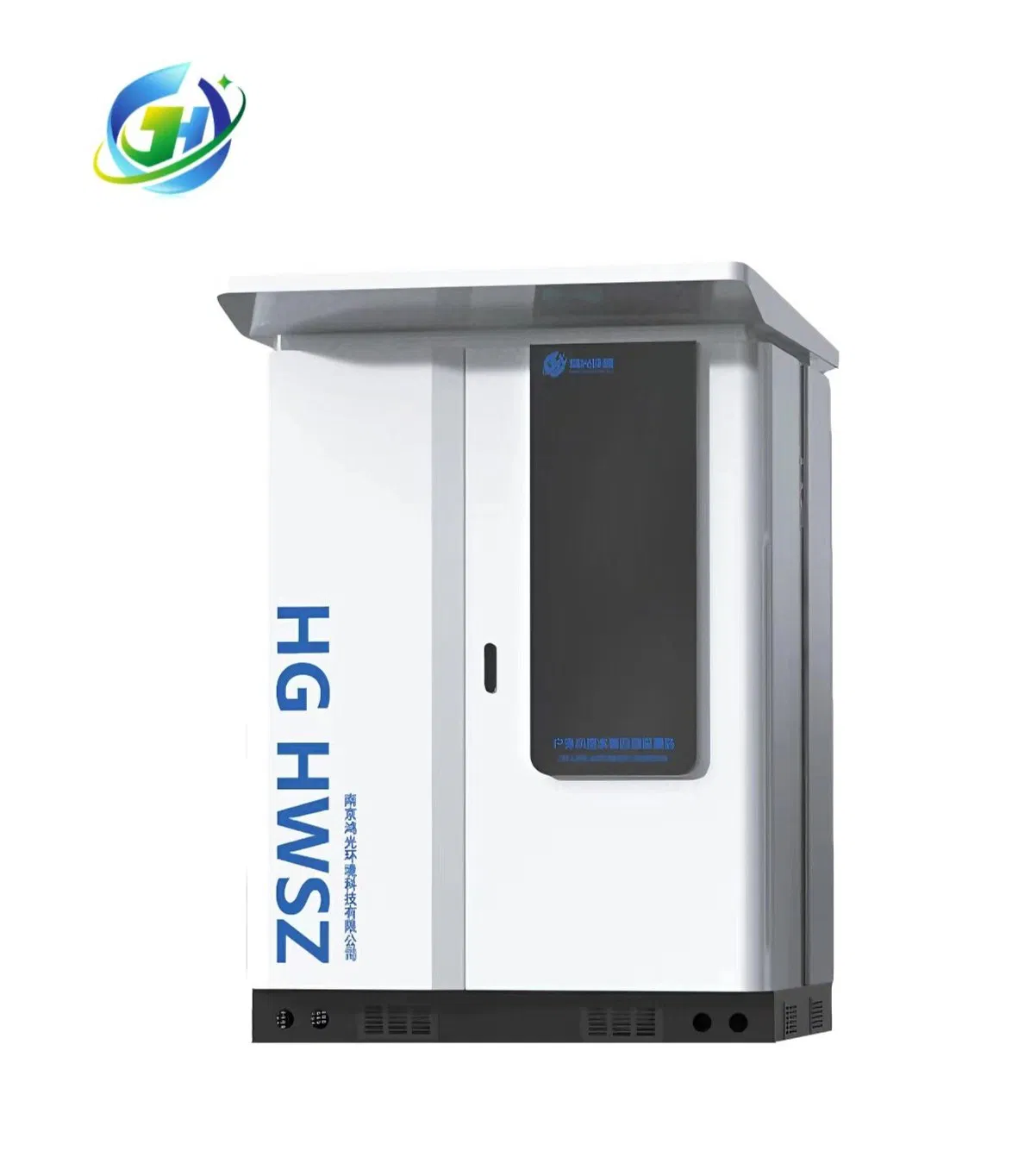
Key Configurations:
🔹 pH: Glass electrode method
🔹 Conductivity: Graphite four-electrode method
🔹 Dissolved oxygen: Fluorescence electrode method
🔹 Turbidity: 90° scattering method
🔹 Temperature: Platinum thermistor
🔹 Ammonia nitrogen: Salicylic acid sodium photometric method
⚙️ Technical Specifications
| Parameter Type |
Measurement Item |
Measuring Range |
Error of Indication |
| General | pH | (0~14) pH | ±0.1 pH |
| General | Conductivity | (0~20000) mS/m | ±2% |
| General | Dissolved oxygen | (0~20) mg/L | ±0.3 mg/L |
| General | Turbidity | (0~4000) NTU | ±10% |
| Chemical | Ammonia nitrogen | (0~300) mg/L | ±5% |
| Chemical | Permanganate index | (0~20) mg/L | ±5% |
| Chemical | Total phosphorus | (0~50) mg/L | ±5% |
| Chemical | Total nitrogen | (0~160) mg/L | ±5% |
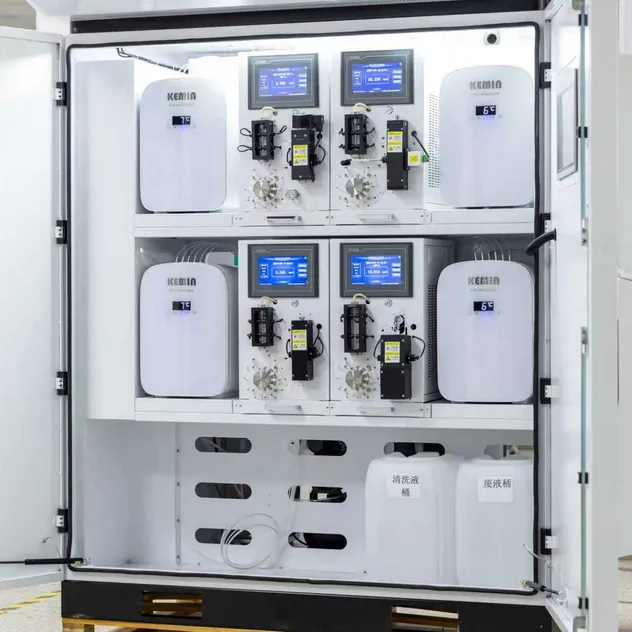
📐 Drawings & Dimensions
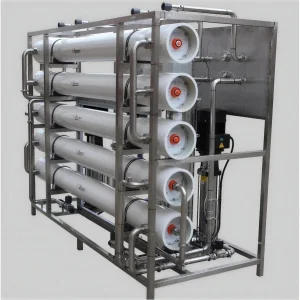
Analytical Unit
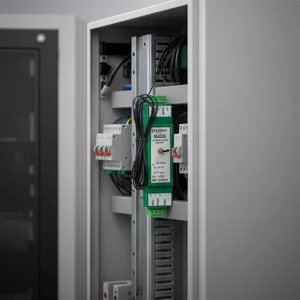
Control Unit
Water Distribution Unit
🌍 Application Scenarios
Agricultural Industry
Agricultural Non-point Source Monitoring: Monitoring of nitrogen and phosphorus loads and pesticide residues in farmland runoff. Establishes a source tracing system for non-point pollution to optimize agricultural practices and reduce pollutant inflow.
Water Source Areas
High-altitude River Discharge Monitoring: Enhanced monitoring in ecologically sensitive areas. Employs cold-resistant equipment for continuous data collection of SS and COD indicators to ensure stable compliance in plateau environments.
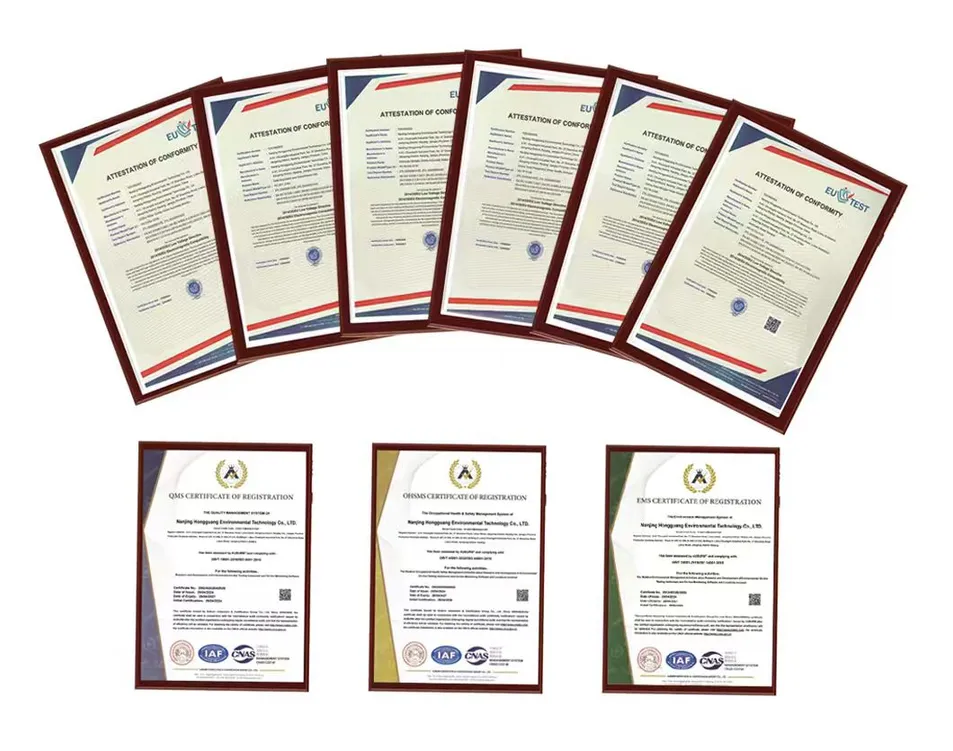
📁 Product Portfolio
🛠️ Service Support
Pre-sales: Professional technical consultation, customized solutions, and sample testing.
In-service: Efficient processing, strict factory inspections, and logistics support.
After-sales: Remote installation guidance, technical training, and quick warranty response.
❓ FAQ
Q1: What is the typical lead time for orders?
Standard models generally ship within 15–30 days, while customized units or large orders require 30–45 days depending on the configuration.
Q2: Can the monitoring station be customized for specific parameters?
Yes, we offer tailored configurations. Beyond the standard five parameters, we can integrate modules for total phosphorus, total nitrogen, and other chemical indicators as required.
Q3: Does the system support remote data transmission?
Absolutely. The station supports RS232/RS485 communication and is compatible with wireless transmission for remote monitoring and data collection.
Q4: How does the system handle extreme weather conditions?
The station features an integrated outdoor design with auxiliary units such as air conditioning for temperature control, lightning protection, and cold-resistant modules for high-altitude or harsh environments.
Q5: What is the maintenance cycle for the detection units?
The measurement cycle is typically ≤ 60 minutes. Routine maintenance depends on the water quality, but the system is designed for high stability and industrial-grade durability.
Q6: What are the main application areas for this equipment?
It is widely used in industrial wastewater monitoring, municipal sewage treatment, surface water survey, groundwater monitoring, and agricultural runoff analysis.